

Introduction
Non-owner car insurance provides liability protection for individuals who regularly drive vehicles they do not own. Do you frequently borrow cars from friends, family members, or use rental vehicles but do not own a personal automobile? If so, this type of coverage may offer important financial protection while helping maintain continuous insurance history. Many drivers mistakenly assume they are fully protected when driving someone else’s vehicle. However, coverage gaps can create significant financial risks after accidents. Understanding how non-owner car insurance works helps drivers comply with state requirements, reduce liability exposure, and secure affordable protection without purchasing a traditional vehicle insurance policy.
Understanding Non-Owner Car Insurance Coverage Benefits Today
Non-owner car insurance is designed for individuals who drive vehicles they do not personally own. This coverage primarily provides liability protection for bodily injury and property damage caused to others during accidents. Unlike traditional auto insurance, it does not cover damage to the borrowed vehicle itself. Many drivers use this policy to maintain continuous insurance coverage while avoiding the cost of a standard vehicle policy. Understanding these benefits helps consumers determine whether non-owner coverage aligns with their driving habits and financial protection needs.
Why Non-Owner Car Insurance Matters For Drivers
Many people occasionally drive vehicles belonging to friends, relatives, employers, or rental companies. Non-owner car insurance provides valuable liability protection in situations where primary vehicle insurance may not offer sufficient coverage. Without proper protection, drivers could face substantial financial responsibility after accidents. This insurance helps reduce liability risks while maintaining legal compliance in many circumstances. Understanding the importance of non-owner coverage helps consumers avoid unexpected financial exposure and ensures greater confidence when operating vehicles they do not personally own on a regular basis.
Who Should Consider Non-Owner Car Insurance Protection
Not everyone needs non-owner car insurance, but certain drivers benefit significantly from this coverage. Individuals who frequently borrow vehicles, use car sharing services, rent cars regularly, or need proof of insurance after license reinstatement often find this policy valuable. Drivers without personal vehicles may still face liability risks whenever they operate borrowed automobiles. Understanding eligibility helps consumers determine whether this specialized coverage fits their circumstances. Proper evaluation ensures drivers receive meaningful protection without paying for unnecessary insurance products or excessive coverage levels.
How Non-Owner Car Insurance Policies Typically Work
A non-owner car insurance policy acts as secondary liability protection when drivers operate vehicles they do not own. Coverage generally applies after the vehicle owner’s insurance policy has been exhausted. This structure helps provide additional financial security during accidents involving borrowed vehicles. Policies vary between insurers, making careful review important before purchasing coverage. Understanding how these policies function helps drivers manage risks effectively and avoid misunderstandings regarding protection limits. Knowledge of policy mechanics supports better insurance decisions and stronger financial preparedness during unexpected situations.
Comparing Non-Owner Car Insurance And Standard Policies
Traditional auto insurance covers vehicles owned by policyholders, while non-owner car insurance focuses primarily on liability protection for borrowed automobiles. Standard policies typically include collision and comprehensive coverage, whereas non-owner coverage generally excludes vehicle damage protection. Premiums for non-owner policies are often lower because insurers face reduced risk exposure. Comparing these options helps consumers select the most appropriate coverage based on ownership status and driving habits. Understanding these differences prevents unnecessary expenses while ensuring drivers maintain adequate financial protection against liability related risks.
State Requirements Affecting Non-Owner Insurance Coverage Rules
Insurance regulations vary significantly between states, influencing how non-owner car insurance policies operate. Some states require proof of insurance after certain traffic violations or license suspensions, making non-owner coverage particularly valuable. Coverage requirements, minimum liability limits, and policy availability may differ based on local laws. Drivers should understand state specific regulations before purchasing coverage. Awareness of legal requirements helps consumers remain compliant while selecting policies that satisfy both personal protection needs and applicable insurance obligations within their state of residence.
Benefits Of Maintaining Continuous Insurance Coverage History
One major advantage of non-owner car insurance involves maintaining continuous insurance history. Coverage gaps often lead to higher premiums when drivers later purchase traditional auto insurance policies. Continuous coverage demonstrates responsibility and reduces perceived risk in the eyes of insurers. Even individuals without vehicles can benefit from preserving insurance history through non-owner policies. Understanding this long term advantage helps consumers make strategic decisions regarding coverage maintenance. Consistent insurance records frequently contribute to better rates and improved affordability when future vehicle ownership occurs.
How Non-Owner Car Insurance Helps High-Risk Drivers
Drivers with previous accidents, violations, or license reinstatement requirements may find non-owner car insurance particularly useful. Many states require proof of financial responsibility following certain driving offenses. Non-owner policies often satisfy these requirements while providing liability protection during vehicle use. Maintaining coverage can also support gradual improvement of insurance profiles over time. Understanding these benefits helps higher risk drivers regain compliance and work toward more favorable insurance opportunities. Proper coverage supports both legal obligations and long term financial recovery strategies.
Understanding Liability Protection Within Non-Owner Policies
Liability coverage remains the core component of non-owner car insurance policies. This protection helps pay for injuries and property damage caused to others when the policyholder is responsible for an accident. Medical expenses, vehicle repairs, and legal claims can create significant financial burdens without adequate liability coverage. Understanding policy limits and protection levels helps consumers evaluate coverage effectiveness. Strong liability protection reduces financial exposure and supports greater peace of mind whenever drivers operate borrowed or rented vehicles under covered circumstances.
Non-Owner Car Insurance For Frequent Rental Vehicle Users
People who regularly rent vehicles often benefit from non-owner car insurance because it provides liability protection beyond rental company offerings. Purchasing liability coverage repeatedly through rental agencies can become expensive over time. A non-owner policy may provide more cost effective protection for frequent renters. Understanding how rental vehicle coverage works helps consumers evaluate savings opportunities and coverage adequacy. Drivers who travel often or rely on rental vehicles for work purposes frequently discover meaningful value through specialized non-owner insurance protection and long term affordability.
How Insurance Companies Calculate Non-Owner Policy Premiums
Several factors influence the cost of non-owner car insurance, including driving history, age, location, insurance history, and state specific requirements. Insurers assess risk based primarily on driver characteristics rather than vehicle information because policyholders do not own insured automobiles. Drivers with clean records generally receive lower premiums due to reduced risk profiles. Understanding rating factors helps consumers identify opportunities for savings and better evaluate quote comparisons. Knowledge of premium calculations supports smarter insurance decisions and improved long term affordability.
Comparing Multiple Providers For Better Coverage Value
Insurance companies often differ significantly in pricing and policy features for non-owner car insurance. Comparing multiple providers helps consumers identify competitive rates and stronger protection options. Evaluating policy limits, exclusions, customer service quality, and financial stability ensures balanced decision making. Focusing solely on premiums may overlook important coverage differences. Thorough comparison shopping improves opportunities for savings while maintaining meaningful protection. Understanding provider variations supports better insurance outcomes and helps consumers secure policies aligned with their specific needs and financial goals.
Common Misunderstandings About Non-Owner Insurance Policies
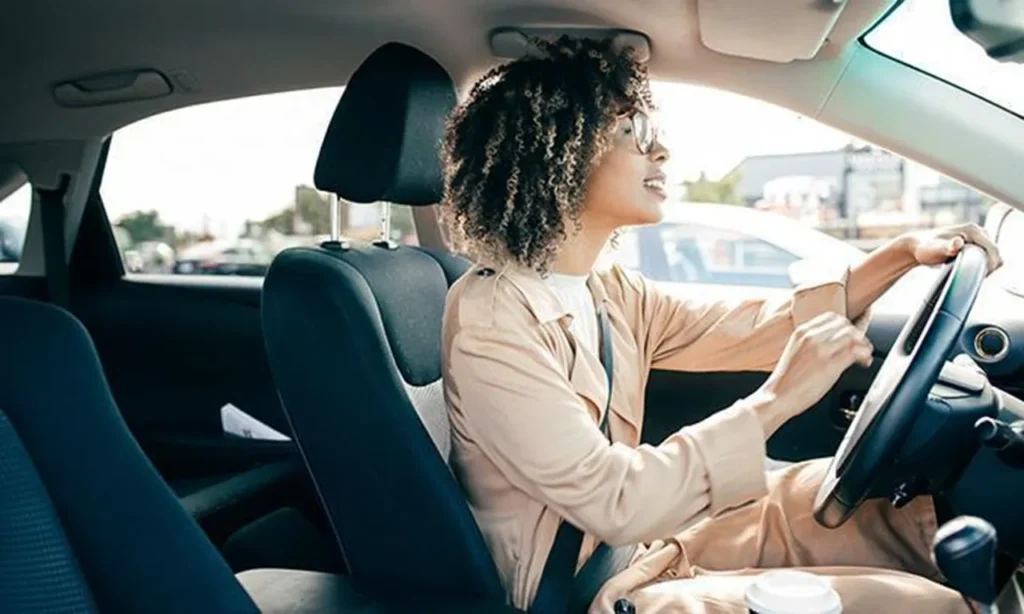
Many consumers mistakenly believe non-owner car insurance covers damage to borrowed vehicles or replaces rental company protection entirely. In reality, most policies focus primarily on liability coverage and exclude physical damage protection. Misunderstanding coverage limitations can create unexpected financial exposure after accidents. Reviewing policy details carefully helps avoid confusion and unrealistic expectations. Understanding what non-owner insurance does and does not cover allows consumers to make informed decisions. Proper education improves policy effectiveness and reduces the likelihood of costly surprises during claims situations.
When Non-Owner Car Insurance Becomes Financially Valuable
The financial value of non-owner car insurance increases when drivers frequently operate vehicles they do not own. Liability claims can result in substantial expenses involving medical costs, property damage, and legal obligations. Even occasional driving activities may create meaningful financial risks. Understanding potential exposure helps consumers evaluate whether coverage provides sufficient value. For many individuals, affordable liability protection outweighs premium costs significantly. Careful risk assessment supports better insurance decisions and strengthens long term financial security when driving borrowed automobiles.
Mistakes Drivers Make Choosing Non-Owner Coverage Plans
Some drivers purchase non-owner car insurance without understanding eligibility requirements, coverage limitations, or policy exclusions. Others assume all policies provide identical protections and fail to compare options thoroughly. These mistakes can reduce policy effectiveness and create financial vulnerabilities. Reviewing coverage details carefully helps consumers avoid misunderstandings and select appropriate protection levels. Understanding common errors improves decision making and overall satisfaction with insurance purchases. Informed consumers are better equipped to secure meaningful liability protection while avoiding unnecessary costs and coverage gaps.
How Non-Owner Coverage Supports License Reinstatement Requirements
Many states require proof of financial responsibility before restoring driving privileges after certain violations. Non-owner car insurance often satisfies these requirements by providing liability coverage for drivers who do not own vehicles. Maintaining this policy demonstrates responsibility and compliance with legal obligations. Drivers seeking license reinstatement frequently use non-owner coverage as a cost effective solution. Understanding how these policies support reinstatement efforts helps consumers meet regulatory requirements while reducing financial risks. Proper coverage can play a valuable role in rebuilding driving privileges and maintaining legal compliance.
Benefits Of Non-Owner Insurance For Temporary Drivers
Individuals who drive occasionally but do not own vehicles may benefit from non-owner car insurance. Temporary drivers often assume they are fully protected under vehicle owners’ policies, but coverage limits may not always be sufficient. Non-owner insurance provides an additional layer of liability protection when borrowing vehicles. This coverage helps reduce personal financial exposure after accidents involving borrowed automobiles. Understanding these benefits allows occasional drivers to make informed decisions regarding protection needs while avoiding unnecessary insurance expenses associated with traditional vehicle ownership policies.
Understanding Policy Exclusions Before Purchasing Coverage Plans
Every non-owner car insurance policy contains exclusions that determine when coverage does not apply. Common exclusions may involve vehicles owned by household members, business use situations, or certain commercial driving activities. Reviewing policy terms carefully helps consumers understand protection boundaries and avoid misunderstandings. Ignoring exclusions can create unexpected financial challenges following accidents. Understanding coverage limitations allows drivers to evaluate risks more accurately and determine whether additional protection may be necessary. Thorough policy review remains essential for maximizing insurance effectiveness and avoiding costly surprises.
How Driving Frequency Influences Insurance Coverage Decisions
Driving frequency plays an important role when evaluating non-owner car insurance needs. Individuals who borrow vehicles regularly face greater liability exposure than those who drive only occasionally. Frequent drivers often receive more value from maintaining continuous liability protection. Evaluating driving habits helps consumers determine whether policy costs justify the benefits provided. Understanding this relationship supports smarter insurance decisions and ensures coverage aligns with actual risk exposure. Appropriate policy selection improves financial protection while helping drivers avoid unnecessary insurance expenses and coverage inefficiencies.
Comparing Costs Between Non-Owner And Traditional Policies
One attractive feature of non-owner car insurance involves its affordability compared to traditional auto insurance policies. Because insurers do not cover specific vehicles, premiums are generally lower. Drivers receive liability protection without paying for collision or comprehensive coverage associated with vehicle ownership. Understanding cost differences helps consumers evaluate value more effectively. Comparing policy options allows drivers to select coverage that meets legal requirements and financial protection goals without overspending. Cost efficiency remains one of the primary reasons many individuals choose non-owner insurance coverage.
How Rental Car Companies Handle Liability Protection
Rental companies often provide liability coverage options, but non-owner car insurance may offer broader or more affordable protection for frequent renters. Purchasing rental coverage repeatedly can become expensive over time. A non-owner policy provides ongoing liability protection that follows the driver rather than the vehicle. Understanding how rental company insurance interacts with personal coverage helps consumers avoid duplicate expenses and unnecessary protection gaps. Careful evaluation supports better financial decisions and improves confidence when renting vehicles for personal or business travel purposes.
Advantages Of Maintaining Affordable Liability Protection Continuously
Continuous liability protection remains one of the strongest benefits of non-owner car insurance. Drivers who maintain coverage consistently often avoid premium increases associated with insurance lapses. Continuous coverage demonstrates responsibility and stability to future insurers. Even without vehicle ownership, maintaining liability protection can contribute to long term savings and stronger insurance profiles. Understanding these advantages encourages consumers to view non-owner insurance as a strategic financial tool rather than a temporary coverage solution. Consistent protection supports both affordability and financial preparedness.
When Borrowing Family Vehicles Creates Insurance Risks
Borrowing family vehicles may seem harmless, but liability risks still exist. Non-owner car insurance provides valuable protection when accidents occur while operating vehicles owned by relatives. Although family policies may offer primary coverage, additional liability protection can reduce personal financial exposure. Understanding these risks helps consumers evaluate whether non-owner coverage provides worthwhile benefits. Drivers who regularly borrow family vehicles often gain peace of mind through supplemental protection. Proper coverage strengthens financial security and reduces uncertainty during unexpected accident situations involving borrowed automobiles.
Why Young Adults Consider Non-Owner Insurance Policies
Young adults who do not yet own vehicles may benefit from non-owner car insurance for several reasons. Maintaining insurance history helps establish a favorable record while providing liability protection during occasional driving situations. This coverage may also help reduce future premium costs when vehicle ownership begins. Understanding these long term benefits encourages younger drivers to consider proactive insurance planning. Non-owner policies offer affordable protection and support responsible financial habits. Early coverage decisions often contribute positively to future insurance affordability and long term financial stability.
How Non-Owner Insurance Supports Future Vehicle Ownership
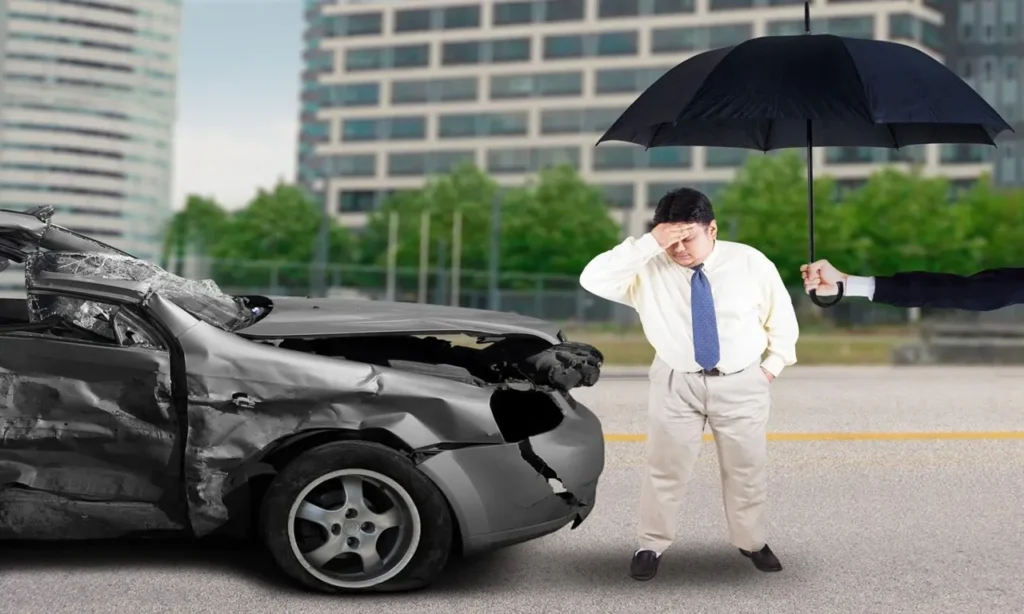
Maintaining non-owner car insurance can simplify the transition into vehicle ownership later. Drivers with continuous insurance history often qualify for more favorable rates than those with coverage gaps. Insurers typically view continuous coverage as a sign of responsibility and reduced risk. Understanding this benefit helps consumers appreciate the long term value of maintaining protection even without owning a vehicle. Strategic insurance planning supports future affordability while ensuring liability protection remains available during current driving activities involving borrowed automobiles.
Evaluating Coverage Limits For Better Financial Security
Coverage limits determine the maximum amount a non-owner car insurance policy will pay for covered liability claims. Selecting appropriate limits is essential because serious accidents can generate substantial medical expenses and property damage costs. Drivers should evaluate personal financial circumstances and potential liability exposure when choosing coverage amounts. Understanding policy limits helps consumers avoid inadequate protection and unnecessary financial risks. Careful evaluation supports stronger financial security and ensures insurance coverage remains effective during significant accident related situations involving borrowed vehicles.
How Insurance Companies Assess Driver Risk Levels
Insurers evaluate several factors when pricing non-owner car insurance, including driving history, age, prior claims, and insurance continuity. Safe drivers typically receive lower premiums because they present reduced risk. Understanding how companies assess risk helps consumers identify opportunities to improve affordability over time. Responsible driving habits and continuous coverage often contribute to more favorable pricing. Awareness of underwriting criteria empowers drivers to make informed decisions that support both insurance savings and long term financial protection while maintaining appropriate liability coverage.
Importance Of Reading Policy Documents Carefully First
Many misunderstandings involving non-owner car insurance occur because consumers fail to review policy documents thoroughly. Coverage terms, exclusions, limits, and conditions vary significantly between insurers. Reading documentation carefully helps drivers understand exactly what protection they are purchasing. This knowledge reduces confusion during claims and supports better decision making. Understanding policy language may require asking questions before purchase. Careful review improves coverage effectiveness and ensures consumers select policies that align with driving habits, liability concerns, and overall financial protection objectives.
How Non-Owner Insurance Reduces Financial Liability Risks
Liability claims can create significant financial burdens, making non-owner car insurance an important protection tool for many drivers. Medical expenses, legal fees, and property damage costs can quickly exceed personal financial resources after accidents. Liability coverage helps manage these risks and reduces potential financial exposure. Understanding the role of liability protection helps consumers appreciate the value of maintaining coverage. Proper insurance planning strengthens financial security while ensuring drivers remain prepared for unexpected situations involving borrowed or rented vehicles.
Finding Long Term Value Through Smart Coverage Choices
The long term value of non-owner car insurance extends beyond immediate liability protection. Continuous coverage history, future insurance affordability, legal compliance, and financial risk reduction all contribute to overall benefits. Consumers who evaluate policies strategically often achieve better outcomes and stronger protection. Understanding long term advantages encourages more informed insurance decisions. Rather than focusing solely on premiums, drivers should consider how coverage supports broader financial goals. Smart insurance planning helps maximize value while maintaining dependable liability protection for years to come.
Comparing Customer Service Among Insurance Providers Effectively
Customer service quality remains important when selecting non-owner car insurance providers. Responsive communication, efficient claims handling, and knowledgeable support representatives improve overall policyholder experiences. Low premiums alone do not guarantee satisfaction if assistance becomes difficult during claims situations. Reviewing customer ratings and feedback helps consumers identify reliable insurers. Understanding service differences supports balanced decision making and improves confidence during provider selection. Strong customer support contributes significantly to policy value and ensures drivers receive assistance when unexpected issues arise.
Technology Making Insurance Shopping Easier Than Ever
Modern technology has simplified the process of obtaining non-owner car insurance quotes and comparing providers. Online tools allow consumers to evaluate coverage options, premiums, and policy features within minutes. Digital applications also streamline policy management and claims reporting. Understanding available technology resources helps drivers save time while making more informed insurance decisions. Increased transparency improves comparison shopping effectiveness and supports stronger purchasing outcomes. Technology continues transforming the insurance industry by enhancing convenience, accessibility, and consumer decision making capabilities.
Avoiding Common Coverage Gaps During Policy Selection
Coverage gaps can reduce the effectiveness of non-owner car insurance and create unexpected financial exposure. Drivers should review exclusions, coverage limits, and eligibility requirements carefully before purchasing policies. Understanding potential gaps allows consumers to address weaknesses proactively. Proper policy selection improves protection quality and reduces liability related risks. Careful evaluation helps ensure coverage remains aligned with actual driving activities and personal circumstances. Avoiding common mistakes strengthens overall insurance effectiveness and contributes to better long term financial security.
Future Trends Influencing Non-Owner Insurance Market Growth
The insurance industry continues evolving, and non-owner car insurance may become increasingly important as transportation habits change. Car sharing services, rental programs, and flexible mobility options are expanding nationwide. These trends increase demand for coverage designed specifically for drivers without personal vehicles. Understanding market developments helps consumers anticipate future insurance opportunities and changing coverage needs. Staying informed supports proactive decision making and ensures drivers remain prepared for evolving transportation and insurance landscapes in the years ahead.
Making Confident Decisions About Non-Owner Insurance Coverage
Choosing non-owner car insurance requires evaluating driving habits, liability risks, legal requirements, and financial goals carefully. Drivers who understand policy features and compare providers thoroughly often achieve stronger protection and better value. Insurance should provide both affordability and peace of mind while supporting long term financial stability. Careful planning and informed decision making help consumers secure appropriate coverage without unnecessary expenses. Understanding available options ensures drivers remain protected whenever they operate borrowed or rented vehicles under covered circumstances.
How Employment Status Impacts Insurance Eligibility Requirements
Employment circumstances can influence how often individuals drive borrowed vehicles, making non-owner car insurance more valuable in certain situations. Sales professionals, consultants, temporary workers, and individuals who frequently travel may regularly operate vehicles they do not own. Liability exposure increases whenever driving activities occur, regardless of ownership status. Understanding how employment patterns affect insurance needs helps consumers select appropriate protection levels. Proper coverage supports financial security while ensuring drivers remain protected during work related transportation activities involving borrowed or rented automobiles.
Why Non-Owner Insurance Supports Responsible Driving Habits
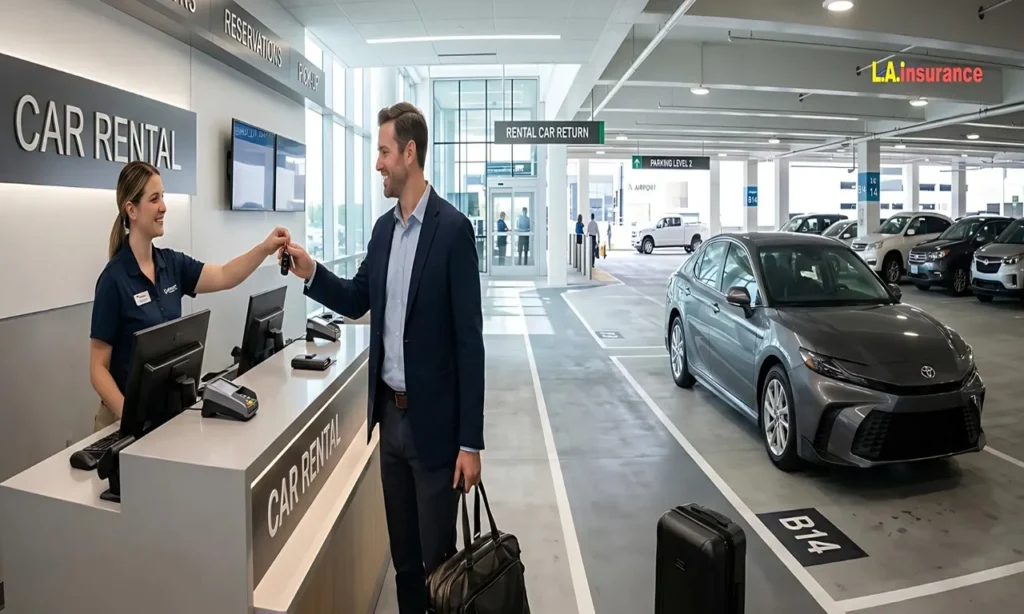
Maintaining non-owner car insurance often encourages greater awareness of personal responsibility behind the wheel. Drivers who invest in liability protection typically understand the financial consequences of accidents and legal claims more clearly. This awareness may contribute to safer driving behavior and reduced risk exposure. Understanding the relationship between insurance and responsibility helps consumers appreciate the broader value of coverage. Strong protection combined with careful driving habits creates a more secure financial future while supporting long term insurance affordability and personal accountability.
Understanding Secondary Coverage Within Insurance Structures
Most non-owner car insurance policies function as secondary liability protection after the vehicle owner’s insurance has responded to a claim. This structure helps provide an additional layer of financial security when damages exceed primary policy limits. Understanding secondary coverage prevents confusion regarding claims processes and policy responsibilities. Drivers should review how coverage interacts with other insurance policies before accidents occur. Clear knowledge of insurance structures improves preparedness and helps consumers manage expectations when navigating complex liability situations involving borrowed automobiles.
How Non-Owner Coverage Protects Personal Financial Assets
Serious accidents can expose drivers to lawsuits, medical expenses, and property damage claims that threaten personal assets. Non-owner car insurance helps reduce these risks by providing liability protection when operating vehicles owned by others. Without adequate coverage, savings accounts, investments, and future earnings could face significant financial exposure. Understanding asset protection benefits helps consumers evaluate policy value more effectively. Strong liability coverage supports long term financial stability while reducing uncertainty associated with unexpected accident related expenses and legal obligations.
Benefits Of Affordable Insurance For Occasional Drivers
Occasional drivers often seek affordable protection without purchasing traditional auto insurance policies. Non-owner car insurance provides a practical solution by offering liability coverage tailored to individuals who drive infrequently but still face legal and financial risks. Lower premiums compared to standard policies improve affordability while maintaining meaningful protection. Understanding these benefits helps consumers identify cost effective insurance options aligned with their driving habits. Strategic coverage selection supports financial efficiency while ensuring occasional drivers remain protected whenever they borrow or rent vehicles.
How Policy Renewals Affect Long Term Insurance Savings
Renewing non-owner car insurance consistently can contribute to long term financial benefits and stronger insurance profiles. Many insurers reward continuous coverage through stable pricing, loyalty incentives, or improved eligibility for future products. Reviewing policies during renewal periods also creates opportunities to compare providers and identify savings. Understanding the importance of renewal management helps consumers maintain affordable protection while maximizing long term value. Consistent policy maintenance supports stronger insurance outcomes and reduces risks associated with coverage interruptions or lapses.
Evaluating Financial Strength Of Insurance Companies Carefully
Financial stability should be a key consideration when selecting non-owner car insurance providers. Strong insurers possess the resources necessary to process claims efficiently and meet financial obligations during large loss events. Consumers should review independent ratings and company performance indicators before purchasing coverage. Understanding insurer financial strength improves confidence in policy reliability and claims support. Thorough evaluation helps drivers select providers capable of delivering dependable service and financial protection whenever liability claims arise involving borrowed or rented vehicles.
Preparing Documentation Before Purchasing Insurance Policies
Obtaining non-owner car insurance becomes easier when consumers gather necessary documentation in advance. Insurers may request driver’s license information, driving history details, prior insurance records, and state compliance documents. Organized preparation streamlines the application process and improves quote accuracy. Understanding documentation requirements helps consumers avoid delays and make informed purchasing decisions. Proper preparation supports efficient policy issuance while ensuring coverage reflects accurate personal information and driving circumstances. Well organized applicants often experience smoother insurance transactions and stronger overall outcomes.
Reducing Insurance Costs Through Safe Driving Records
Maintaining a clean driving record remains one of the most effective ways to reduce non-owner car insurance premiums. Insurers reward safe drivers because they present lower accident risks and generate fewer claims. Avoiding violations, accidents, and reckless behavior helps preserve affordability while improving eligibility for discounts. Understanding how driving history influences pricing empowers consumers to make responsible decisions behind the wheel. Long term safe driving habits contribute to lower insurance costs, stronger coverage opportunities, and greater financial stability throughout a driver’s insurance journey.
Choosing Non-Owner Car Insurance With Confidence Today
Selecting non-owner car insurance requires thoughtful evaluation of driving habits, liability risks, state requirements, and financial objectives. Consumers who compare providers, review policy details carefully, and understand coverage limitations often achieve stronger protection and better value. Liability coverage plays an important role in safeguarding finances whenever borrowed or rented vehicles are used. Understanding available options improves decision making and reduces uncertainty during the purchasing process. With proper research and planning, drivers can confidently secure affordable protection that supports both current needs and long term financial security.
Frequently Asked Questions
What is non-owner car insurance?
Non-owner car insurance provides liability coverage for drivers who do not own a vehicle but occasionally drive borrowed or rented cars.
Who needs non-owner car insurance?
Drivers who frequently borrow vehicles, rent cars, or need proof of insurance for license reinstatement often benefit from this coverage.
Does non-owner car insurance cover vehicle damage?
Generally, no. Most policies only provide liability protection and not physical damage coverage.
Is non-owner car insurance cheaper than regular insurance?
Yes, it is usually more affordable because it does not insure a specific vehicle.
Can non-owner insurance satisfy SR-22 requirements?
In many states, yes. It is commonly used to meet financial responsibility requirements.
Does non-owner insurance cover rental cars?
It typically provides liability coverage while driving rental vehicles but may not cover vehicle damage.
Can I get non-owner insurance with a bad driving record?
Yes, many insurers offer coverage to higher risk drivers, though premiums may be higher.
Conclusion
Non-owner car insurance offers a practical and affordable solution for individuals who drive vehicles they do not own. Whether you regularly borrow cars, rent vehicles for travel, or need proof of financial responsibility after license reinstatement, this coverage helps protect against costly liability claims. It also supports continuous insurance history, which may lead to better rates in the future when purchasing traditional auto insurance. Understanding coverage limitations, comparing providers, and selecting appropriate liability limits are essential steps toward securing meaningful protection. With careful planning and informed decision making, drivers can enjoy greater financial security, legal compliance, and confidence whenever they operate borrowed or rented vehicles.