

Introduction
Home insurance for first-time buyers is one of the most important investments you can make after purchasing your first home. Are you confident your new property is fully protected against unexpected disasters, theft, or liability claims? Many first-time homeowners focus on mortgage payments and moving expenses while overlooking the importance of choosing the right insurance policy. The right home insurance provides financial security by covering your home’s structure, personal belongings, liability risks, and temporary living expenses after covered losses. Understanding how home insurance works before buying a policy helps avoid expensive mistakes, coverage gaps, and unnecessary costs while protecting one of your biggest lifetime investments.
Understanding Home Insurance For First-Time Buyers Basics
Home insurance for first-time buyers provides financial protection against property damage, theft, liability claims, and many unexpected events. It helps homeowners recover financially after covered losses while protecting one of their most valuable investments. Understanding policy basics before purchasing coverage reduces confusion and improves confidence during the buying process. Every policy includes different coverage options, exclusions, deductibles, and limits. Reviewing these details carefully ensures stronger protection. A well-chosen home insurance policy provides peace of mind while helping first-time buyers avoid costly financial setbacks following covered property losses or liability incidents.
Why Home Insurance Protects Your First Investment Completely
Purchasing your first home is a major financial milestone that deserves reliable protection. Home insurance for first-time buyers safeguards your investment against disasters that could otherwise create overwhelming repair or rebuilding expenses. Fire, storms, theft, vandalism, and liability claims may lead to significant financial hardship without proper insurance. Understanding the value of comprehensive protection helps new homeowners make informed decisions. Reliable insurance coverage strengthens long-term financial security while ensuring unexpected events do not jeopardize homeownership goals or create unnecessary financial burdens during the early years of property ownership.
Understanding Different Home Insurance Coverage Options Available
Home insurance for first-time buyers includes several important coverage types that protect different aspects of homeownership. These often include dwelling coverage, personal property protection, liability insurance, additional living expenses, and detached structure coverage. Understanding each option helps buyers choose policies that match their unique needs. Different insurance companies may offer additional endorsements and specialized protection. Comparing available options carefully improves overall coverage quality. Selecting appropriate insurance solutions provides stronger financial security while ensuring homes, belongings, and personal assets remain adequately protected against covered risks.
Dwelling Coverage Protecting Your Home Structure Properly
Dwelling protection forms the foundation of home insurance for first-time buyers by covering the home’s physical structure after covered losses. Walls, roofing, flooring, built-in appliances, plumbing systems, and electrical components are typically included within this coverage. Understanding replacement costs helps homeowners choose adequate policy limits. Construction expenses often increase over time, making accurate coverage essential. Proper dwelling insurance reduces financial hardship following severe property damage. Strong structural protection helps homeowners rebuild confidently while preserving long-term property value and financial stability after unexpected disasters.
Personal Property Coverage For Valuable Household Belongings
Personal property protection helps replace belongings damaged or stolen after covered events. Home insurance for first-time buyers typically covers furniture, clothing, electronics, appliances, and many household possessions. Understanding coverage limits helps homeowners determine whether valuable items require additional endorsements. Creating a home inventory improves claim accuracy and policy planning. Adequate personal property protection reduces financial stress after losses occur. Strong coverage allows homeowners to replace essential belongings while recovering more efficiently from theft, fire, storms, or other covered incidents affecting personal possessions.
Liability Protection Every First-Time Homeowner Should Understand
Liability insurance is an essential component of home insurance for first-time buyers because accidents can happen unexpectedly. If someone is injured on your property or you accidentally damage another person’s property, liability coverage may help pay legal expenses, settlements, and medical costs. Understanding liability limits helps homeowners choose appropriate protection based on personal financial circumstances. Adequate liability insurance safeguards savings and personal assets from costly lawsuits. Strong coverage provides valuable financial security while reducing stress associated with unexpected legal claims arising from homeownership responsibilities.
Additional Living Expenses During Covered Home Repairs
Major disasters may temporarily force homeowners to leave their properties during repairs. Home insurance for first-time buyers often includes additional living expense coverage that helps pay for hotels, meals, transportation, and temporary housing. Understanding these benefits helps homeowners prepare for unexpected situations before they occur. Temporary relocation costs can quickly become expensive without insurance support. Proper coverage reduces financial strain while helping families maintain comfortable living arrangements. Additional living expense protection strengthens overall financial resilience throughout the home restoration process following covered property losses.
Fire Damage Coverage Protecting First Home Investments Better
Fire remains one of the most destructive threats facing homeowners. Home insurance for first-time buyers helps cover repair costs, rebuilding expenses, smoke damage, and replacement of damaged belongings after covered fire incidents. Understanding fire protection helps homeowners evaluate policy quality more effectively. Fire losses often create significant emotional and financial challenges. Comprehensive insurance supports faster recovery while minimizing out-of-pocket expenses. Reliable fire coverage provides confidence that valuable property investments remain financially protected against one of the most serious risks associated with homeownership.
Theft Protection Included Within Standard Home Insurance Policies
Burglary and theft can create unexpected financial losses for first-time homeowners. Home insurance for first-time buyers generally covers stolen belongings and certain damage caused during break-ins. Understanding policy limits helps homeowners determine whether additional protection is needed for jewelry, artwork, or expensive electronics. Security measures such as alarms and cameras may also reduce insurance costs. Strong theft protection provides financial assistance following criminal incidents. Comprehensive coverage helps homeowners recover more quickly while protecting valuable personal possessions from unexpected theft-related losses.
Weather Related Risks Covered By Home Insurance Policies
Many home insurance policies protect against weather-related events such as windstorms, hail, lightning, and certain storm damage. Home insurance for first-time buyers provides valuable financial assistance when severe weather damages roofs, siding, windows, or personal belongings. Understanding covered weather risks helps homeowners prepare for seasonal challenges. Some natural disasters may require separate insurance policies. Reviewing coverage carefully prevents misunderstandings during claims. Strong weather protection supports financial recovery while helping homeowners repair damage and restore normal living conditions following covered storms.
Understanding Policy Deductibles Before Buying Home Insurance
Deductibles represent the amount homeowners pay before insurance coverage begins. Home insurance for first-time buyers offers different deductible options that directly affect premium costs and claim payments. Higher deductibles usually reduce annual premiums, while lower deductibles increase insurance costs but reduce out-of-pocket expenses after losses occur. Understanding deductible choices helps buyers balance affordability and financial preparedness. Selecting appropriate deductibles strengthens long-term budgeting while ensuring homeowners remain capable of handling future insurance claims without unnecessary financial stress.
Comparing Multiple Home Insurance Quotes Before Purchasing Carefully
Comparing quotes from several insurance companies is one of the smartest decisions first-time homeowners can make. Home insurance for first-time buyers varies significantly in pricing, coverage options, customer service, and financial strength. Focusing only on premiums may result in inadequate protection. Evaluating policy details, exclusions, deductibles, and insurer reputation provides greater long-term value. Thorough comparisons help buyers identify stronger insurance solutions while reducing financial risks. Smart comparison shopping supports confident purchasing decisions and stronger protection for valuable residential investments.
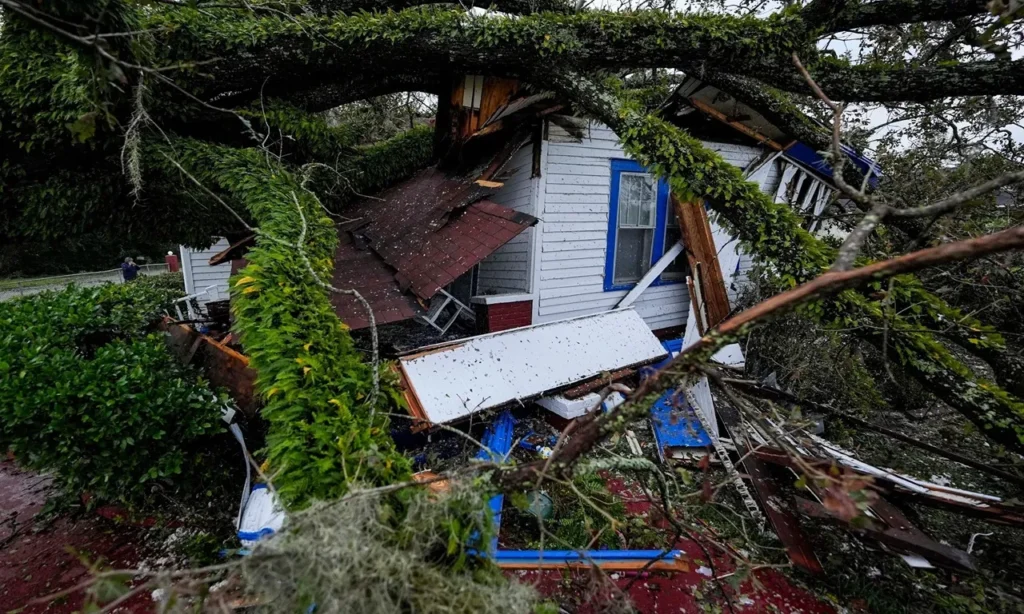
How Credit Scores Affect Home Insurance Premium Pricing
Many insurance companies consider credit-based insurance scores when calculating home insurance for first-time buyers. Higher credit scores often result in lower premiums because insurers associate responsible financial behavior with reduced claim risks. Understanding this relationship helps buyers appreciate the importance of maintaining strong credit habits. Improving credit before purchasing insurance may generate long-term savings opportunities. Reviewing personal financial health strengthens insurance planning while helping homeowners qualify for more competitive premiums and broader coverage options from reputable insurance providers.
Choosing Reliable Insurance Companies With Strong Financial Ratings
Selecting a financially stable insurance company is just as important as choosing the right policy. Home insurance for first-time buyers should come from providers known for reliable claims handling, customer service, and financial strength. Independent rating agencies evaluate insurers’ ability to meet future claim obligations. Understanding financial ratings helps buyers identify dependable companies capable of supporting them during major disasters. Reliable insurance providers offer greater confidence throughout homeownership. Choosing financially secure insurers strengthens long-term protection while ensuring assistance remains available whenever covered losses occur.
Common Mistakes First-Time Homebuyers Should Always Avoid
Many new homeowners make avoidable mistakes when purchasing home insurance for first-time buyers. Common errors include choosing the cheapest policy, underestimating replacement costs, ignoring exclusions, overlooking liability coverage, and failing to update policies after renovations. Understanding these mistakes helps buyers make informed insurance decisions. Careful planning reduces future financial risks while improving overall protection. Reviewing policy details thoroughly ensures stronger coverage and fewer surprises during claims. Avoiding common insurance mistakes helps first-time homeowners protect both their property investment and long-term financial future.
Understanding Policy Exclusions Before Purchasing Home Insurance Carefully
Every insurance policy contains exclusions that define situations where coverage does not apply. Home insurance for first-time buyers commonly excludes flood damage, earthquakes, normal wear and tear, pest infestations, and intentional damage. Understanding these exclusions helps homeowners avoid costly surprises during future claims. Some excluded risks can be covered through endorsements or separate policies. Reviewing policy documents carefully ensures complete awareness of protection limitations. Knowing what is and is not covered helps buyers make informed decisions while securing comprehensive protection that better matches their property risks and financial needs.
Flood Insurance Protection Beyond Standard Home Insurance Policies
Standard home insurance for first-time buyers usually excludes flood damage, making separate flood insurance necessary in many locations. Flooding can result from heavy rainfall, overflowing rivers, hurricanes, and drainage failures. Repair costs often become overwhelming without dedicated flood protection. Understanding local flood risks helps homeowners evaluate whether supplemental coverage is appropriate. Reviewing flood maps and environmental conditions strengthens insurance planning. Purchasing separate flood insurance provides valuable financial security while protecting homes against one of the most expensive natural disasters affecting residential properties across many regions.
Replacement Cost Coverage Protecting Homes More Effectively Today
Replacement cost coverage helps homeowners rebuild damaged property using current construction costs without significant depreciation deductions. Home insurance for first-time buyers offering replacement cost protection generally provides stronger financial recovery than actual cash value policies. Construction materials and labor costs continue increasing over time, making accurate coverage essential. Understanding replacement value helps homeowners avoid underinsurance after major losses. Reviewing rebuilding estimates regularly ensures sufficient protection. Strong replacement cost coverage supports long-term financial security while helping families restore homes following covered disasters without unnecessary financial hardship.
Actual Cash Value Coverage Explained For New Homeowners
Actual cash value coverage pays claims based on replacement costs minus depreciation. Home insurance for first-time buyers using this valuation method often results in lower claim payments than replacement cost policies. Understanding depreciation effects helps homeowners compare insurance options more accurately. Although these policies frequently offer lower premiums, they may increase personal expenses after covered losses occur. Reviewing valuation methods carefully supports informed insurance decisions. Understanding claim calculations helps buyers choose policies that provide appropriate financial protection while balancing affordability and long-term recovery needs.
Home Security Systems Lowering Insurance Premiums Significantly Today
Installing security devices can improve safety while reducing home insurance for first-time buyers costs. Alarm systems, surveillance cameras, smoke detectors, smart locks, and monitored security services reduce property risks and often qualify homeowners for insurance discounts. Understanding available savings encourages investments in home protection technology. Enhanced security benefits both homeowners and insurance providers by lowering claim frequency. Strong preventive measures improve financial protection while creating safer living environments. Combining security improvements with comprehensive insurance coverage supports long-term savings and greater peace of mind for new homeowners.
How Claims History Influences Future Insurance Premium Costs
Insurance providers frequently review previous claim activity when calculating home insurance for first-time buyers premiums. Multiple claims within short periods may increase future insurance costs or reduce eligibility for preferred pricing. Understanding how claim history affects underwriting helps homeowners make informed decisions regarding smaller losses. Preventive maintenance and responsible property care reduce unnecessary claims over time. Maintaining a favorable insurance record contributes to lower premiums and improved policy options. Strong risk management supports long-term affordability while strengthening overall financial security throughout homeownership.
Financial Strength Matters When Choosing Insurance Providers Wisely
Choosing a financially stable insurance company is essential for reliable long-term protection. Home insurance for first-time buyers should come from insurers capable of paying claims efficiently after major disasters. Independent financial rating agencies evaluate insurer stability and long-term performance. Understanding financial ratings helps homeowners compare providers beyond pricing alone. Strong financial backing increases confidence during emergencies and widespread catastrophe events. Selecting stable insurers improves long-term satisfaction while ensuring valuable assistance remains available whenever covered losses require prompt financial support and claim resolution.
Customer Service Quality Improves Insurance Claim Experiences Greatly
Excellent customer service plays an important role in overall insurance satisfaction. Home insurance for first-time buyers often involves questions regarding coverage, billing, claims, endorsements, and policy updates. Responsive representatives and efficient communication improve customer experiences significantly. Understanding service quality helps homeowners compare insurers more effectively before purchasing policies. Online reviews and satisfaction ratings provide valuable performance insights. Choosing providers known for excellent customer support strengthens long-term relationships while ensuring reliable assistance during stressful situations involving property damage or insurance claims.
Digital Insurance Tools Simplify Policy Management And Claims
Technology has transformed the way homeowners manage insurance policies. Home insurance for first-time buyers now includes convenient mobile applications, online portals, electronic payments, digital claims reporting, and instant policy access. Understanding available technology features helps consumers evaluate provider capabilities more effectively. Digital tools improve transparency, communication, and overall convenience throughout the insurance process. Faster access to important documents simplifies policy management and claim submissions. Modern insurance technology enhances customer experiences while helping homeowners monitor protection and maintain organized insurance records efficiently.
Annual Policy Reviews Maintain Accurate Insurance Protection Levels
Insurance needs change as homes appreciate, renovations occur, and belongings increase in value. Home insurance for first-time buyers should be reviewed annually to ensure coverage remains adequate. Inflation, remodeling projects, and major purchases may require policy adjustments. Understanding the importance of regular reviews helps homeowners avoid underinsurance and unexpected financial exposure. Annual evaluations strengthen long-term protection while identifying opportunities for additional discounts or improved coverage. Consistent policy reviews help homeowners maintain insurance that accurately reflects their evolving property values and personal financial circumstances.

Inflation Effects Increasing Home Insurance Coverage Requirements
Inflation significantly affects rebuilding costs, labor expenses, and construction materials. Home insurance for first-time buyers should account for these changes to maintain sufficient protection over time. Coverage limits that were once adequate may become insufficient as replacement costs increase. Understanding inflation-related risks helps homeowners evaluate insurance needs more accurately. Many insurers offer inflation guard features that automatically adjust policy limits. Regular coverage reviews strengthen financial security while helping homeowners avoid major out-of-pocket expenses following covered property losses requiring extensive rebuilding.
Umbrella Liability Coverage Expanding Personal Financial Protection Further
Umbrella insurance provides additional liability protection beyond standard home insurance for first-time buyers limits. Serious accidents or lawsuits can exceed primary policy coverage, exposing homeowners to substantial financial risks. Understanding umbrella insurance benefits helps buyers evaluate broader protection strategies. Additional liability coverage safeguards savings, investments, and future income against significant legal claims. Reviewing personal financial exposure determines whether supplemental coverage is appropriate. Strong liability planning strengthens long-term financial security while providing greater peace of mind throughout homeownership.
Emergency Preparedness Supporting Faster Insurance Recovery After Disasters
Emergency preparedness works alongside home insurance for first-time buyers to improve recovery after covered losses. Homeowners should maintain emergency kits, document valuable belongings, store insurance records safely, and develop evacuation plans. Understanding preparedness strategies helps reduce confusion during emergencies while supporting faster insurance claims. Organized planning minimizes disruptions and improves resilience after disasters occur. Combining comprehensive insurance with proactive preparation strengthens financial protection. Well-prepared homeowners often experience smoother recoveries and greater confidence during unexpected property emergencies.
Working With Independent Agents Improves Coverage Selection Decisions
Independent insurance agents provide valuable guidance when comparing home insurance for first-time buyers policies. Unlike captive agents, they often represent multiple insurance companies and can compare coverage, pricing, and endorsements objectively. Understanding the advantages of professional advice helps homeowners make better purchasing decisions. Experienced agents explain complex policy terms and recommend suitable protection based on individual needs. Working with knowledgeable professionals improves confidence while helping buyers secure comprehensive insurance solutions offering strong financial protection and long-term value.
Building Long-Term Security Through Smart Insurance Planning
Successful homeownership requires long-term insurance planning rather than purchasing coverage only once. Home insurance for first-time buyers should evolve as property values, family needs, renovations, and financial goals change. Understanding long-term planning encourages regular policy reviews and proactive risk management. Comprehensive insurance supports financial resilience throughout every stage of homeownership. Thoughtful coverage decisions protect valuable assets while reducing future financial uncertainty. Maintaining appropriate insurance over time helps homeowners preserve property investments, strengthen financial stability, and enjoy lasting peace of mind.
Avoiding Common Home Insurance Buying Mistakes Before Purchasing
Many buyers make costly mistakes when purchasing home insurance for first-time buyers by focusing only on premium prices. Ignoring policy exclusions, choosing insufficient coverage limits, underestimating replacement costs, and overlooking liability protection may create serious financial risks later. Understanding these common mistakes helps homeowners make informed insurance decisions. Careful policy comparisons improve long-term protection while reducing unexpected expenses during claims. Reviewing every coverage detail strengthens financial security and confidence. Avoiding preventable insurance errors helps first-time homeowners protect their investment while maintaining reliable financial protection for years ahead.
Understanding Home Insurance Discounts Every Buyer Should Explore
Many insurers offer valuable discounts that reduce home insurance for first-time buyers premiums without sacrificing coverage quality. Bundling home and auto insurance, installing security systems, remaining claim-free, using smart home technology, and maintaining good credit may qualify homeowners for savings. Understanding available discounts helps buyers lower insurance expenses while maintaining comprehensive protection. Comparing discount opportunities between providers improves overall value. Taking advantage of every eligible discount strengthens long-term affordability while allowing homeowners to maximize insurance benefits and reduce annual policy costs significantly.
Protecting Valuable Belongings With Policy Endorsements Available
Standard home insurance for first-time buyers may limit protection for expensive jewelry, artwork, collectibles, musical instruments, and luxury electronics. Policy endorsements provide additional coverage specifically designed for valuable personal belongings. Understanding endorsement options helps homeowners prevent underinsurance and improve financial protection. Regularly reviewing valuable possessions ensures coverage reflects current replacement values. Supplemental endorsements strengthen insurance programs while providing peace of mind. Protecting valuable assets through specialized coverage reduces financial risk and supports smoother recovery after covered losses involving high-value possessions.
Water Damage Protection Understanding Covered And Excluded Risks
Water damage claims are among the most common homeowner insurance issues. Home insurance for first-time buyers generally covers sudden plumbing failures and accidental water damage but excludes flooding and long-term maintenance problems. Understanding these differences helps homeowners avoid claim misunderstandings and unexpected expenses. Regular maintenance reduces preventable losses while protecting insurance eligibility. Reviewing policy language carefully improves awareness of covered situations. Comprehensive insurance planning often includes separate flood protection where necessary to strengthen overall property security and financial resilience.
Home Renovations Requiring Updated Insurance Coverage Immediately
Major renovations often increase both property value and rebuilding costs, making insurance updates essential. Home insurance for first-time buyers should be reviewed after remodeling kitchens, bathrooms, roofing systems, room additions, or structural improvements. Failing to update coverage may leave homeowners underinsured during future claims. Understanding renovation impacts helps maintain accurate protection levels. Informing insurance providers promptly ensures policies reflect current replacement values. Regular updates strengthen financial security while protecting valuable investments made through property improvements and modernization projects.
Working Successfully Through Home Insurance Claims Process
Knowing how to handle insurance claims before disasters occur helps homeowners respond more effectively during stressful situations. Home insurance for first-time buyers requires prompt reporting, detailed documentation, photographs, receipts, and communication with insurance representatives. Understanding the claims process reduces delays and improves settlement outcomes. Organized records strengthen claim credibility while supporting accurate damage assessments. Preparing before emergencies occur helps homeowners recover more efficiently. Effective claim management protects financial interests while simplifying restoration following covered property losses.
Mortgage Lender Requirements For Home Insurance Policies Explained
Mortgage lenders typically require borrowers to maintain adequate home insurance for first-time buyers throughout the loan period. Insurance protects both the homeowner’s investment and the lender’s financial interest in the property. Understanding lender requirements helps buyers avoid delays during closing and future compliance issues. Coverage amounts often reflect rebuilding costs rather than market values. Reviewing lender expectations before purchasing insurance improves preparation. Meeting insurance requirements supports successful homeownership while protecting valuable residential investments from covered losses and financial setbacks.
How Neighborhood Risks Affect Insurance Premium Calculations
Insurance providers evaluate neighborhood characteristics when determining home insurance for first-time buyers premiums. Crime rates, wildfire exposure, weather history, proximity to fire stations, and previous claim activity influence pricing. Understanding these factors helps homeowners interpret quote differences more accurately. Safer neighborhoods often qualify for lower premiums because insurers perceive reduced risks. Evaluating local conditions supports informed insurance decisions. Knowledge of neighborhood influences helps buyers compare providers effectively while selecting coverage offering appropriate protection and long-term value.
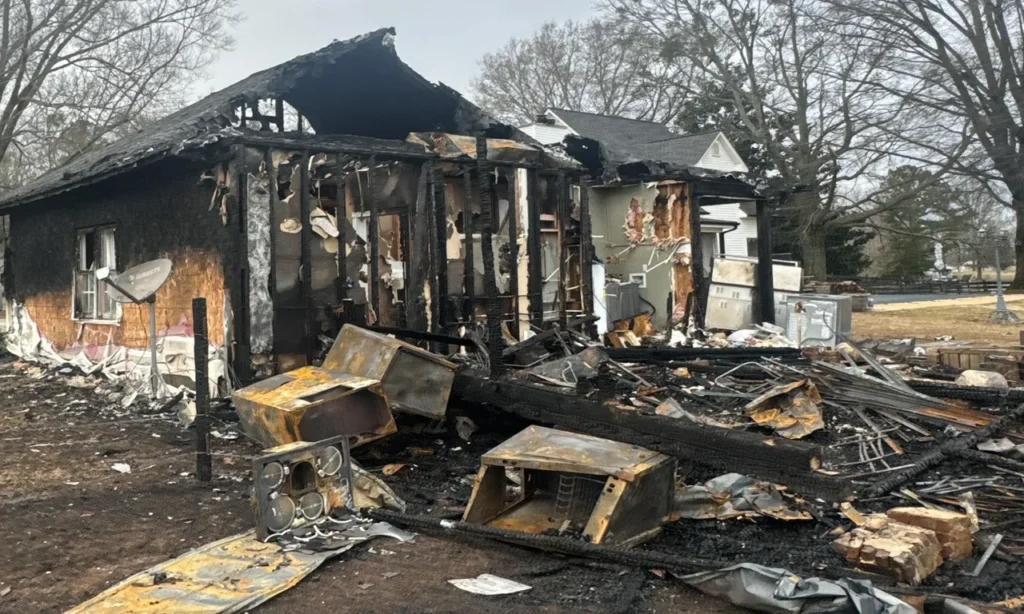
Maintaining Accurate Home Inventory For Better Protection
Creating a detailed home inventory strengthens home insurance for first-time buyers by simplifying claims after covered losses. Inventories should include photographs, receipts, serial numbers, purchase dates, and estimated replacement values for valuable belongings. Understanding documentation importance helps homeowners prepare before emergencies occur. Accurate records improve claim processing and reduce disputes regarding ownership or value. Maintaining updated inventories strengthens financial protection while helping policyholders replace damaged or stolen property more efficiently after unexpected disasters or criminal incidents.
Choosing Deductibles Matching Personal Financial Situation Carefully
Selecting appropriate deductibles remains one of the most important insurance decisions homeowners make. Home insurance for first-time buyers offers deductible choices that directly affect annual premiums and future claim costs. Higher deductibles reduce premiums but require greater personal financial responsibility after losses occur. Lower deductibles increase premiums while reducing out-of-pocket expenses. Understanding deductible options helps homeowners balance affordability with financial preparedness. Careful selection supports stronger budgeting and effective long-term insurance planning.
Future Technology Transforming Home Insurance Industry Services Rapidly
Technology continues reshaping home insurance for first-time buyers through artificial intelligence, smart home devices, predictive analytics, and digital claims processing. These innovations improve underwriting accuracy, customer service, and policy management efficiency. Understanding technological developments helps homeowners appreciate evolving insurance opportunities. Smart sensors may reduce risks while qualifying policyholders for premium discounts. Advanced digital tools simplify policy administration and claims reporting. Future innovations will continue improving convenience, personalization, and overall customer experiences within the homeowners insurance industry.
Environmental Changes Increasing Property Insurance Risk Management Needs
Changing weather patterns continue influencing home insurance for first-time buyers through increased storm activity, wildfires, flooding, and severe weather events. These environmental changes affect insurance pricing, underwriting standards, and coverage availability. Understanding evolving climate risks helps homeowners maintain appropriate insurance protection. Regular policy reviews ensure coverage remains aligned with changing environmental conditions. Awareness of regional weather threats strengthens long-term preparedness while supporting more effective financial planning and property protection strategies.
Choosing Reliable Insurance Providers With Long-Term Confidence
Finding a dependable insurance company is essential for lasting financial protection. Home insurance for first-time buyers should prioritize insurers with strong financial ratings, efficient claims handling, excellent customer service, and positive industry reputations. Understanding provider reliability helps homeowners evaluate more than premium costs alone. Financially secure insurers offer greater confidence during emergencies and major disasters. Careful provider selection improves long-term satisfaction while ensuring policyholders receive dependable assistance whenever covered losses require prompt financial support and professional guidance.
Building Financial Security Through Smart Insurance Planning Together
Long-term financial success depends on maintaining appropriate home insurance for first-time buyers throughout every stage of homeownership. Insurance needs evolve as property values increase, renovations occur, and families grow. Understanding long-term planning encourages annual policy reviews, proactive maintenance, and responsible risk management. Comprehensive insurance protects valuable assets while reducing financial uncertainty caused by unexpected disasters. Consistent planning strengthens resilience and confidence. Well-managed insurance programs support stable homeownership while preserving financial security for future generations.
Final Thoughts About First-Time Home Insurance Success
Home insurance for first-time buyers provides essential protection for homes, personal belongings, liability risks, and long-term financial stability. Choosing appropriate coverage requires understanding policy options, exclusions, deductibles, endorsements, and insurer reliability. Regular reviews, proper documentation, preventive maintenance, and smart financial planning strengthen overall protection. While purchasing your first home is exciting, protecting that investment is equally important. Comprehensive insurance reduces uncertainty while supporting faster recovery after unexpected losses. Selecting reliable coverage today helps first-time homeowners safeguard their property, finances, and future with confidence throughout every stage of homeownership.
FAQs
What is home insurance for first-time buyers?
Home insurance for first-time buyers protects your home’s structure, personal belongings, liability risks, and additional living expenses after covered losses.
Is home insurance required when buying my first home?
Most mortgage lenders require homeowners to maintain home insurance before closing on the property.
What does home insurance usually cover?
It generally covers dwelling damage, personal property, liability protection, detached structures, and temporary living expenses after covered events.
Does home insurance cover floods and earthquakes?
No. Most standard policies exclude floods and earthquakes, requiring separate insurance policies.
How can first-time buyers lower home insurance premiums?
Bundling policies, installing security systems, maintaining good credit, and choosing higher deductibles may reduce insurance costs.
How much home insurance coverage do first-time buyers need?
Coverage should equal your home’s rebuilding cost while providing adequate protection for belongings and liability exposure.
Should I compare multiple home insurance quotes?
Yes. Comparing several insurers helps you find better coverage, stronger customer service, and competitive pricing.
Conclusion
Home insurance for first-time buyers is one of the smartest financial decisions new homeowners can make. A well-designed policy protects your home’s structure, personal belongings, liability risks, and temporary living expenses after covered losses. Understanding coverage options, exclusions, deductibles, endorsements, and insurer reliability allows buyers to choose protection that fits both their property and budget. Regular policy reviews, preventive maintenance, and accurate home inventories further strengthen long-term financial security. While purchasing your first home is an exciting achievement, protecting that investment should remain a top priority. Choosing comprehensive home insurance today provides confidence, financial stability, and peace of mind throughout your homeownership journey.