
Introduction
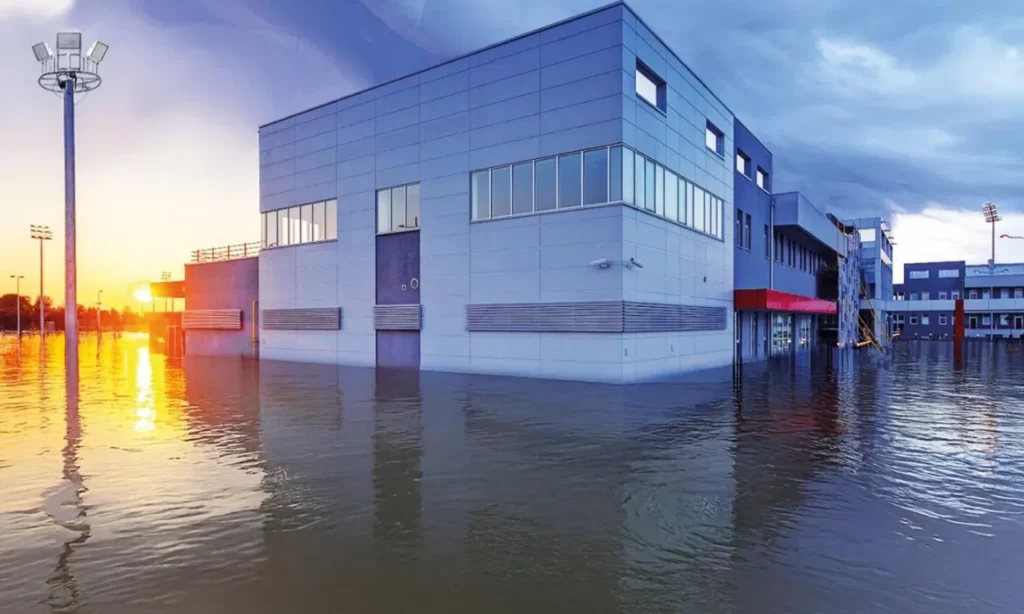
Business property insurance is essential for protecting commercial buildings, equipment, inventory, furniture, and other valuable business assets from unexpected financial losses. Have you considered how a fire, theft, vandalism, or severe storm could affect your company’s operations? Without proper insurance, replacing damaged property could place tremendous financial pressure on your business. Comparing the right business property insurance policies helps business owners secure comprehensive coverage while minimizing financial risks. Understanding policy options, coverage limits, deductibles, exclusions, and insurer reliability allows companies to protect their investments, maintain business continuity, and achieve long-term financial stability in an increasingly unpredictable business environment.
Understanding Business Property Insurance Coverage Benefits Completely Today
Business property insurance protects commercial buildings, office equipment, inventory, machinery, furniture, electronics, and other valuable business assets against covered risks such as fire, theft, vandalism, storms, and certain natural disasters. This essential insurance helps businesses recover financially after unexpected property damage while minimizing operational interruptions. Coverage varies depending on policy terms and selected limits. Understanding these benefits allows business owners to compare insurance providers confidently while selecting comprehensive protection that supports long-term financial security and uninterrupted business operations during unexpected events.
Why Business Property Insurance Matters For Every Business Today
Every company owns valuable physical assets that require protection, making business property insurance one of the most important commercial insurance policies available. Unexpected disasters can severely damage buildings, equipment, inventory, and business property, creating significant financial losses. Without proper insurance, recovery costs may threaten business survival. Comprehensive coverage provides peace of mind while helping businesses recover quickly after covered losses. Understanding the importance of property insurance encourages responsible risk management and strengthens long-term financial stability for businesses of every size.
How Business Property Insurance Actually Works For Owners
Most business property insurance policies provide financial reimbursement when covered events damage insured commercial property. Business owners select coverage limits, deductibles, and optional endorsements based on their company’s unique needs. After a covered loss occurs, policyholders file insurance claims documenting damages for review. Approved claims help pay repair or replacement costs according to policy terms. Understanding how commercial property insurance functions allows businesses to choose appropriate coverage while preparing effectively for unexpected property-related financial losses.
Commercial Buildings Protected Under Property Insurance Policies Effectively
Commercial buildings represent one of the largest investments protected by business property insurance. Coverage typically includes offices, warehouses, retail stores, manufacturing facilities, restaurants, and other commercial structures damaged by covered events such as fire, severe weather, vandalism, or explosions. Repairing or rebuilding commercial property without insurance can become financially overwhelming. Understanding building protection benefits helps business owners secure comprehensive insurance coverage while preserving valuable real estate investments and ensuring business continuity after unexpected property damage.
Office Equipment Coverage Through Business Property Insurance Plans
Modern businesses depend on computers, servers, printers, office furniture, communication systems, and electronic equipment for daily operations. Business property insurance helps cover repair or replacement costs when these valuable assets suffer covered damage or theft. Equipment protection minimizes operational disruptions while helping companies resume business activities quickly after unexpected losses. Understanding office equipment coverage allows business owners to evaluate policy benefits carefully while safeguarding critical workplace technology and productivity resources.
Inventory Protection Benefits For Commercial Business Owners Today
Inventory often represents a significant financial investment, making business property insurance essential for retailers, wholesalers, manufacturers, and distributors. Coverage protects merchandise, raw materials, finished products, and stored inventory against covered risks such as fire, theft, vandalism, or water damage. Replacing lost inventory without insurance may create serious financial hardship. Understanding inventory protection helps businesses compare insurance policies while securing sufficient coverage to maintain operational stability following unexpected property losses.
Understanding Covered Perils Within Commercial Property Insurance Policies
Every business property insurance policy specifies covered perils that trigger financial protection after property damage occurs. Common covered events include fire, lightning, explosions, theft, vandalism, windstorms, smoke damage, and certain water-related incidents. Some natural disasters require separate insurance policies depending on geographic location. Understanding covered perils helps business owners evaluate insurance contracts carefully while selecting protection that addresses their company’s most significant property-related risks and operational concerns.
Comparing Replacement Cost And Actual Cash Value Coverage
Business owners purchasing business property insurance should understand the difference between replacement cost and actual cash value coverage. Replacement cost insurance pays the amount necessary to replace damaged property with comparable new items, while actual cash value considers depreciation before determining claim payments. Replacement cost coverage generally provides greater financial protection despite slightly higher premiums. Understanding these valuation methods helps businesses choose insurance that supports long-term financial recovery after covered property losses.
Fire Damage Protection Through Commercial Property Insurance Coverage
Fire remains one of the most devastating threats facing commercial properties, making business property insurance critical for financial protection. Fire-related coverage typically includes structural repairs, equipment replacement, inventory restoration, and cleanup costs following covered incidents. Businesses suffering major fire losses often depend on insurance to continue operating successfully. Understanding fire protection benefits helps owners secure comprehensive coverage while minimizing financial disruption caused by unexpected commercial property fires.
Theft And Vandalism Coverage For Business Property Assets
Theft and vandalism create costly financial losses for businesses of every size. Business property insurance provides valuable protection by helping replace stolen equipment, damaged inventory, broken windows, office furnishings, and vandalized property after covered incidents. Quick financial recovery allows companies to restore operations efficiently without absorbing substantial replacement costs independently. Understanding theft and vandalism coverage helps business owners strengthen asset protection while maintaining long-term operational resilience.
Storm Damage Protection Within Business Property Insurance Policies
Severe weather events frequently damage commercial buildings, roofing systems, signage, equipment, and inventory. Business property insurance often covers windstorms, hail, lightning, and other weather-related property losses depending on policy terms. Businesses located in high-risk regions should carefully evaluate weather-related coverage before purchasing insurance. Understanding storm damage protection enables companies to prepare for natural disasters while protecting valuable commercial property from significant financial loss.
Choosing Appropriate Coverage Limits For Commercial Property Assets
Selecting proper coverage limits remains one of the most important decisions when purchasing business property insurance. Business owners should calculate building values, equipment costs, inventory levels, office furnishings, and specialized machinery before determining policy limits. Insufficient coverage may leave businesses responsible for major repair expenses after covered losses. Understanding coverage calculations helps companies balance premium affordability with comprehensive financial protection that adequately safeguards valuable commercial assets.

Deductibles Affecting Business Property Insurance Claim Payments Today
Deductibles represent the amount businesses pay before business property insurance benefits begin covering eligible losses. Higher deductibles generally reduce premium costs, while lower deductibles increase monthly insurance expenses but decrease out-of-pocket claim payments. Selecting appropriate deductibles requires balancing affordable premiums with available emergency financial resources. Understanding deductible structures allows business owners to choose policies supporting both financial flexibility and effective commercial property protection.
Comparing Business Property Insurance Companies Before Purchasing Coverage
Not every insurer provides identical business property insurance policies, pricing, customer service, or claims support. Comparing financial strength ratings, claims satisfaction, underwriting experience, policy flexibility, and customer reviews helps business owners identify dependable insurance providers. Reliable insurers consistently deliver efficient claims handling and responsive customer service following property losses. Understanding insurer differences strengthens purchasing decisions while maximizing long-term commercial property protection and financial security.
Avoiding Common Business Property Insurance Buying Mistakes Successfully
Many business owners purchase business property insurance based only on premium prices while overlooking coverage limits, exclusions, deductibles, replacement cost options, endorsements, and insurer reputation. These mistakes may leave companies underinsured after unexpected losses. Comparing complete policy features instead of focusing solely on price results in stronger financial protection. Understanding common insurance purchasing errors helps businesses secure comprehensive commercial property coverage while reducing future financial risks and operational disruptions.
Understanding Business Personal Property Coverage Benefits Clearly Today
Many business property insurance policies protect not only commercial buildings but also business personal property, including office furniture, computers, machinery, inventory, tools, and electronic equipment. This coverage helps businesses recover quickly after covered losses caused by fire, theft, vandalism, or severe weather. Replacing valuable business assets without insurance can place enormous financial pressure on daily operations. Understanding business personal property protection helps owners compare policies effectively while securing comprehensive insurance that supports long-term financial stability and uninterrupted business operations.
Business Property Insurance For Retail Store Owners Explained Thoroughly
Retail businesses rely heavily on inventory, display fixtures, cash registers, shelving, computers, and customer service equipment. Business property insurance helps protect these valuable assets against unexpected losses caused by covered perils such as fire, theft, vandalism, and severe storms. Insurance coverage reduces financial disruptions while allowing retailers to resume operations more quickly after property damage. Understanding retail-specific insurance needs helps store owners purchase appropriate coverage while protecting valuable commercial investments and maintaining customer confidence.
Manufacturing Facilities Protected Through Commercial Property Insurance Policies
Manufacturing companies invest heavily in production machinery, raw materials, finished goods, warehouses, and specialized equipment. Business property insurance provides financial protection when these valuable assets suffer covered damage from fire, explosions, storms, theft, or vandalism. Replacing industrial equipment without insurance often creates severe financial hardship. Understanding manufacturing insurance requirements helps business owners compare coverage options while securing comprehensive financial protection that supports continuous production and long-term operational success.
Warehouse Property Protection For Commercial Storage Businesses Today
Warehouses store valuable inventory, equipment, and customer products that require dependable business property insurance protection. Covered policies often include warehouses, storage facilities, loading equipment, shelving systems, forklifts, and stored merchandise damaged by covered events. Insurance minimizes financial losses while helping businesses restore operations efficiently after disasters. Understanding warehouse property coverage allows business owners to evaluate insurance policies carefully while protecting valuable commercial assets from unexpected physical damage and financial loss.
Restaurant Equipment Coverage Under Business Property Insurance Plans
Restaurants depend on expensive kitchen appliances, refrigeration systems, furniture, cooking equipment, dining areas, and inventory for successful daily operations. Business property insurance helps replace or repair damaged equipment following covered events such as fires, storms, theft, or vandalism. Fast financial recovery allows restaurants to reopen quickly and continue serving customers. Understanding restaurant property protection enables owners to secure insurance that safeguards essential assets while reducing long-term operational risks and financial setbacks.
Business Interruption Coverage Supporting Financial Recovery After Losses
Many business property insurance policies offer business interruption coverage that replaces lost income when covered property damage temporarily halts operations. This valuable protection helps businesses continue paying employee salaries, rent, utilities, loan payments, and other operating expenses during recovery periods. Understanding business interruption benefits helps owners strengthen financial planning while maintaining operational stability after unexpected disasters that temporarily prevent normal business activities and revenue generation.
Electronic Equipment Protection Through Commercial Insurance Coverage Solutions
Modern businesses depend on servers, computers, networking equipment, security systems, communication devices, and specialized electronics. Business property insurance helps cover repair or replacement costs when covered incidents damage essential technology assets. Protecting electronic equipment minimizes downtime while preserving productivity and customer service capabilities. Understanding electronic equipment coverage allows companies to compare policy benefits carefully while safeguarding critical business technology from costly physical damage and operational interruptions.
Choosing Replacement Cost Coverage For Better Property Protection
Replacement cost protection remains one of the most valuable options available through business property insurance because it reimburses the full cost of replacing damaged assets with comparable new property. Unlike actual cash value coverage, replacement cost does not subtract depreciation from claim payments. This broader protection improves financial recovery following covered losses. Understanding replacement cost coverage helps business owners maximize insurance value while preserving operational continuity after significant property damage.
Natural Disaster Risks Affecting Commercial Property Insurance Coverage
Businesses located in disaster-prone areas should evaluate business property insurance carefully because standard policies may exclude certain natural disasters such as floods or earthquakes. Separate insurance policies often provide additional protection against these specialized risks. Understanding regional disaster exposures allows business owners to purchase appropriate supplemental coverage while protecting valuable commercial property from catastrophic financial losses and maintaining business continuity after major natural disasters.

Commercial Property Insurance Supporting Small Business Growth Successfully
Small businesses often operate with limited financial resources, making business property insurance an essential investment for protecting valuable assets. Coverage safeguards office buildings, inventory, equipment, furniture, signage, and technology against covered losses that could otherwise threaten business survival. Financial protection allows entrepreneurs to recover quickly after unexpected events. Understanding the importance of property insurance encourages sustainable business growth while reducing financial uncertainty and supporting long-term commercial success.
Understanding Property Insurance Claims Filing Process Successfully Today
Filing claims under business property insurance requires timely reporting, accurate documentation, photographs of damaged property, repair estimates, and communication with insurance adjusters. Organized documentation helps accelerate claim processing while improving reimbursement accuracy. Prompt reporting also prevents unnecessary delays during financial recovery. Understanding the claims process enables businesses to prepare before disasters occur while ensuring efficient communication with insurers throughout property damage investigations and settlement procedures.
Protecting Valuable Machinery Through Commercial Insurance Coverage Plans
Businesses using specialized machinery rely on business property insurance to protect expensive production equipment, manufacturing systems, construction machinery, and industrial tools. Mechanical assets often represent significant financial investments requiring dependable insurance protection against covered property damage. Proper coverage reduces financial strain while supporting rapid equipment replacement or repairs. Understanding machinery insurance helps business owners maintain operational continuity and long-term profitability following unexpected equipment losses.
Comparing Commercial Property Deductibles Before Policy Selection Carefully
Selecting appropriate deductibles significantly affects both premium costs and claim payments within business property insurance policies. Higher deductibles generally lower insurance premiums but increase out-of-pocket expenses following covered losses. Lower deductibles increase premium costs while reducing claim-related financial responsibility. Understanding deductible options allows businesses to choose policies matching available financial resources while balancing affordable premiums with effective commercial property protection and long-term financial stability.
Technology Improving Modern Commercial Property Insurance Services Continuously
Technology continues transforming business property insurance through digital inspections, artificial intelligence underwriting, online claims reporting, drone property assessments, electronic policy management, and mobile customer applications. These innovations improve efficiency while reducing claim processing times and administrative complexity. Businesses benefit from faster communication and improved customer experiences throughout the insurance process. Understanding technological advancements helps commercial property owners maximize insurance convenience while strengthening operational resilience and financial protection.
Financial Planning Through Comprehensive Commercial Property Insurance Protection
Strong financial planning includes investing in business property insurance that protects commercial assets against costly physical losses. Property coverage preserves cash reserves, supports business continuity, protects valuable investments, and reduces financial uncertainty following disasters. Insurance should become an essential component of every company’s long-term risk management strategy. Understanding the relationship between insurance and financial planning strengthens commercial stability while improving business resilience during unexpected property-related emergencies.
Reviewing Commercial Property Insurance Policies Every Business Year
Businesses should review business property insurance annually because property values, equipment purchases, inventory levels, and operational risks frequently change over time. Updating policies ensures coverage remains adequate for current business needs while preventing costly underinsurance after future losses. Annual reviews also provide opportunities to compare insurers and policy enhancements. Understanding the importance of regular policy evaluations strengthens long-term financial protection while maintaining comprehensive commercial property coverage.
Choosing Financially Strong Commercial Insurance Companies Carefully Today
Selecting financially stable providers remains essential when purchasing business property insurance. Business owners should compare insurer financial ratings, customer satisfaction, claims payment history, underwriting experience, policy flexibility, and commercial expertise before making decisions. Reliable insurance companies consistently honor claims while providing responsive customer service throughout recovery. Understanding insurer quality improves confidence while ensuring dependable financial protection for valuable commercial property and ongoing business operations.
Avoiding Common Commercial Property Insurance Purchasing Mistakes Completely
Many companies purchase business property insurance based solely on premium costs while overlooking policy exclusions, deductible structures, replacement cost options, business interruption coverage, and insurer reputation. These oversights may create significant financial losses after covered disasters. Comparing complete policy features instead of price alone leads to stronger insurance decisions. Understanding common purchasing mistakes helps businesses maximize long-term protection while safeguarding valuable commercial assets effectively.
Preparing Essential Documentation Before Property Insurance Claims Submission
Maintaining organized property records strengthens future business property insurance claims. Businesses should safely store purchase receipts, equipment inventories, photographs, maintenance records, repair invoices, financial statements, and insurance documents. Proper documentation simplifies claim investigations while improving reimbursement accuracy and reducing processing delays. Understanding documentation requirements enables businesses to prepare before unexpected disasters while protecting valuable commercial assets and supporting faster financial recovery after covered losses.
Choosing Business Property Insurance With Complete Confidence Always
Selecting the right business property insurance requires comparing coverage limits, replacement cost options, deductibles, insurer reputation, business interruption benefits, policy exclusions, and financial strength before purchasing protection. Businesses that carefully evaluate multiple providers generally receive broader coverage and stronger long-term financial security. Thoughtful insurance planning protects valuable commercial assets, supports business continuity, minimizes unexpected financial losses, and provides lasting confidence that operations can recover successfully after covered property damage.
Understanding Business Property Insurance Policy Exclusions Carefully Today
Every business property insurance policy contains exclusions that specify losses not covered under the contract. Common exclusions may include floods, earthquakes, normal wear and tear, intentional damage, pest infestations, and certain mechanical failures unless additional endorsements are purchased. Carefully reviewing policy exclusions before purchasing insurance helps business owners avoid costly surprises after property losses occur. Understanding these limitations enables companies to compare policies more effectively while selecting comprehensive coverage that protects valuable commercial assets against their most significant operational risks and financial exposures.
Comparing Standalone Policies With Business Owner Policy Coverage
Business owners frequently compare standalone business property insurance with Business Owner’s Policies (BOPs) before purchasing commercial protection. Standalone property insurance focuses primarily on protecting physical assets, while a BOP combines property insurance, general liability coverage, and business interruption protection into one policy. Comparing both options helps businesses identify broader protection at competitive pricing. Understanding these insurance structures allows companies to select coverage that supports operational continuity, financial security, and comprehensive commercial risk management.
Managing Commercial Risks Through Smart Property Insurance Planning
Effective risk management begins with dependable business property insurance that safeguards commercial buildings, inventory, machinery, office equipment, and valuable business assets. Insurance reduces financial uncertainty by helping companies recover from covered disasters without exhausting business savings or operating capital. Business owners should evaluate changing risks regularly and adjust coverage accordingly. Understanding property insurance as part of a complete risk management strategy strengthens long-term financial stability while supporting continuous business growth and operational resilience.
Benefits Of Annual Commercial Property Insurance Policy Reviews
Annual reviews help ensure business property insurance continues matching current business operations, property values, equipment purchases, inventory growth, and evolving financial risks. Companies frequently expand operations, renovate buildings, or purchase additional assets that require updated insurance protection. Reviewing policies each year prevents costly underinsurance while identifying opportunities for better coverage and competitive pricing. Understanding the importance of annual insurance evaluations strengthens financial planning while protecting businesses against changing commercial property exposures.
Reviewing Property Values Before Renewing Insurance Coverage Annually
Accurate property valuations remain essential when renewing business property insurance because construction costs, equipment values, inventory levels, and commercial real estate prices frequently change. Underestimating property values may reduce claim payments after major losses, while excessive coverage may increase premiums unnecessarily. Regular valuations ensure businesses maintain balanced financial protection. Understanding current property values allows owners to update policies appropriately while maximizing insurance effectiveness and preserving long-term operational stability.
Technology Improving Commercial Property Risk Assessment Services Continuously
Technology continues enhancing business property insurance through artificial intelligence, predictive analytics, satellite imagery, digital inspections, Internet of Things sensors, and automated underwriting systems. These innovations help insurers evaluate commercial property risks more accurately while improving claims processing efficiency. Businesses benefit from faster approvals, better risk management recommendations, and enhanced customer service experiences. Understanding technological advancements allows commercial property owners to maximize insurance value while improving long-term operational safety and financial protection.
Future Innovations Transforming Business Property Insurance Industry Solutions
The future of business property insurance includes artificial intelligence risk analysis, real-time property monitoring, advanced weather prediction, blockchain claims management, automated inspections, and personalized commercial insurance solutions. Insurance companies increasingly invest in digital technologies that improve customer experiences while reducing operational risks. Understanding future industry developments helps businesses prepare for evolving insurance opportunities while strengthening long-term financial planning, commercial asset protection, and organizational resilience against emerging property risks.
Building Long-Term Business Stability Through Property Insurance Planning
Reliable business property insurance supports sustainable business growth by protecting valuable investments, preserving operating capital, reducing unexpected financial losses, and maintaining customer confidence after covered disasters. Strong insurance coverage enables companies to recover faster while minimizing operational disruptions and protecting employee livelihoods. Understanding property insurance as a long-term business investment encourages proactive planning while strengthening organizational resilience, profitability, and financial security for future expansion opportunities.
Avoiding Common Business Property Insurance Coverage Mistakes Successfully
Many companies purchase business property insurance without updating coverage after expansion, reviewing policy exclusions, calculating replacement costs accurately, or adding business interruption protection. These mistakes often result in inadequate claim payments after covered losses. Comparing complete policy features instead of focusing only on premiums helps businesses obtain stronger financial protection. Understanding common insurance mistakes enables business owners to maximize policy value while safeguarding valuable commercial property against unexpected financial setbacks.
Choosing Business Property Insurance With Complete Confidence Always
Selecting the best business property insurance requires comparing coverage limits, replacement cost options, deductibles, insurer financial strength, business interruption benefits, customer satisfaction, and policy flexibility before purchasing protection. Businesses that carefully research multiple providers generally secure broader coverage and stronger financial security. Well-planned commercial property insurance protects buildings, equipment, inventory, and valuable business assets while supporting operational continuity, long-term profitability, and lasting confidence during unexpected property-related disasters.
FAQs
What does business property insurance cover?
Business property insurance typically covers commercial buildings, office equipment, inventory, furniture, machinery, and other physical business assets against covered risks.
Does business property insurance cover fire damage?
Yes. Most policies provide coverage for fire damage to insured buildings, equipment, and business property.
Is theft covered under business property insurance?
Yes. Theft of covered business property is generally included, depending on policy terms and exclusions.
Does business property insurance cover floods?
Standard policies usually do not cover flood damage. Separate flood insurance is often required.
What is replacement cost coverage?
Replacement cost coverage pays to replace damaged property with similar new property without deducting depreciation.
Who needs business property insurance?
Any business that owns buildings, equipment, inventory, furniture, or valuable physical assets should consider this coverage.
Why should businesses compare insurance providers?
Comparing insurers helps businesses find better coverage, competitive premiums, stronger claims service, and reliable financial protection.
Conclusion
Business property insurance provides essential financial protection for commercial buildings, equipment, inventory, furniture, and other valuable business assets against unexpected losses. By comparing coverage limits, deductibles, replacement cost options, insurer reputation, policy exclusions, and business interruption benefits, companies can select insurance that supports long-term operational stability and financial growth. Comprehensive property coverage minimizes the financial impact of disasters while helping businesses recover quickly and continue serving customers. Careful policy comparisons, regular coverage reviews, and proactive risk management ensure commercial assets remain protected, allowing businesses to operate confidently in today’s constantly changing business environment.