

Introduction
Full coverage auto insurance provides comprehensive financial protection that extends beyond basic liability coverage. Are you confident your current policy can cover major repair bills, theft losses, or costly accident claims? Many drivers discover coverage gaps only after facing expensive situations. A full coverage policy typically includes liability, collision, and comprehensive insurance, helping protect both your vehicle and your finances. While premiums may be higher than minimum coverage policies, the added protection often prevents significant out of pocket expenses. Understanding how full coverage auto insurance works helps drivers make informed decisions, compare policies effectively, and secure reliable protection against a wide range of unexpected road and vehicle related risks.
Understanding Full Coverage Auto Insurance Protection Benefits
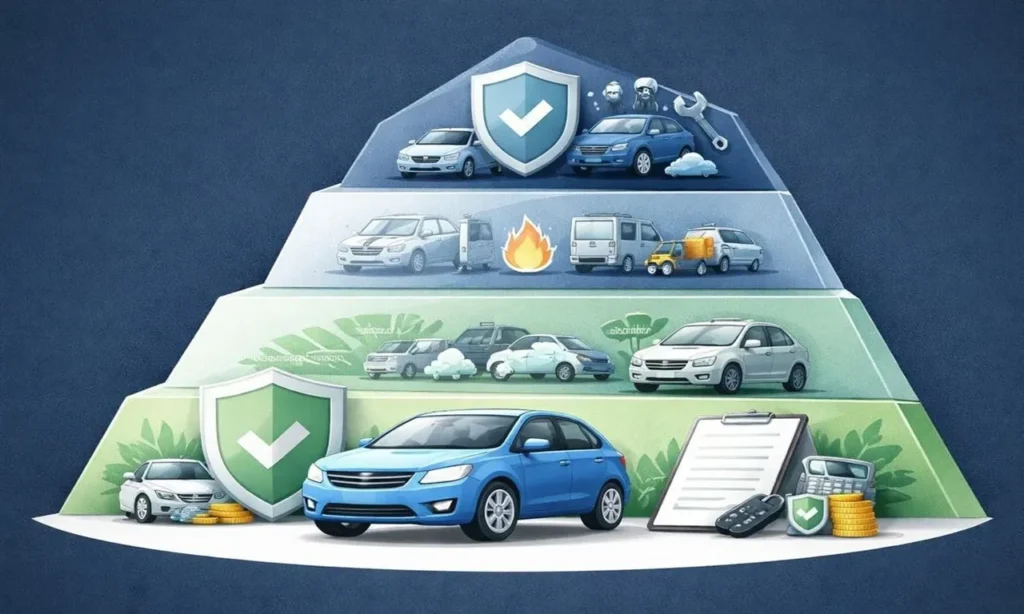
Full coverage auto insurance combines multiple coverage types into a comprehensive protection package designed to reduce financial risks. Most policies include liability insurance, collision coverage, and comprehensive protection. This combination helps pay for vehicle repairs, property damage, medical expenses, and losses caused by theft or natural disasters. Drivers often choose full coverage because it provides broader financial security than minimum legal requirements. Understanding the protections included helps consumers evaluate policy value and determine whether comprehensive coverage aligns with their vehicle ownership goals and financial protection needs.
Why Full Coverage Auto Insurance Matters Today
Many drivers underestimate the financial impact of accidents, theft, or severe weather events until they experience significant losses. Full coverage auto insurance helps reduce these risks by providing protection against a wide variety of unexpected situations. Repair costs continue rising due to advanced vehicle technology and expensive replacement parts. Without adequate coverage, drivers may face substantial financial burdens. Comprehensive protection offers peace of mind while helping preserve financial stability. Understanding the importance of broad coverage helps consumers make informed insurance decisions and avoid costly mistakes during emergencies.
What Full Coverage Auto Insurance Usually Includes
Most full coverage auto insurance policies include liability insurance, collision coverage, and comprehensive protection. Liability coverage pays for damages caused to others, while collision coverage helps repair your vehicle after accidents. Comprehensive insurance protects against non collision events such as theft, vandalism, fire, and weather damage. Some policies may also include uninsured motorist protection and medical payments coverage. Understanding what is included allows drivers to compare policies more effectively and ensure they receive adequate protection for both vehicle related and financial risks.
Comparing Full Coverage Auto Insurance And Liability Policies
A major difference between full coverage auto insurance and liability only policies involves the level of financial protection provided. Liability insurance covers damages you cause to others but does not pay for repairs to your own vehicle after accidents. Full coverage includes additional protections that help repair or replace your vehicle under various circumstances. While premiums are generally higher, many drivers find the added security worthwhile. Comparing policy types carefully helps consumers determine which option best matches vehicle value, financial goals, and personal risk tolerance.
How Vehicle Value Affects Coverage Decisions Significantly
Vehicle value plays an important role when selecting full coverage auto insurance. Newer and higher value vehicles often benefit more from comprehensive protection because repair and replacement costs can be substantial. Older vehicles with lower market values may not justify higher premiums in some situations. Drivers should compare annual insurance costs against vehicle value and potential repair expenses. Understanding this relationship helps consumers make practical decisions regarding coverage levels. Proper evaluation ensures insurance investments remain aligned with financial priorities and vehicle ownership objectives.
Understanding Collision Coverage Within Full Protection Plans
Collision coverage remains one of the most valuable components of full coverage auto insurance. This protection helps pay for repairs or replacement when your vehicle is damaged in an accident involving another vehicle or object. Without collision coverage, drivers must cover these expenses themselves regardless of fault circumstances. Repair costs can quickly become overwhelming, especially for newer vehicles. Understanding how collision protection works allows consumers to appreciate its value and determine whether maintaining this coverage supports their financial protection goals and risk management strategies.
Comprehensive Coverage Protecting Against Unexpected Vehicle Losses
Comprehensive insurance within full coverage auto insurance protects against many risks unrelated to collisions. Coverage may include theft, vandalism, fire, flooding, hail damage, falling objects, and certain natural disasters. These unexpected events can result in costly repairs or total vehicle losses. Comprehensive protection helps reduce financial exposure and provides valuable peace of mind. Drivers living in regions with elevated weather risks or vehicle theft rates often benefit significantly from this coverage. Understanding comprehensive protection supports smarter insurance decisions and improved financial preparedness.
How Deductibles Influence Insurance Premium Costs Overall
Deductibles directly affect the cost of full coverage auto insurance. A higher deductible typically lowers monthly premiums, while a lower deductible increases policy costs. Drivers should carefully evaluate their financial situation before selecting deductible amounts. Choosing a deductible that is too high may create challenges when filing claims. Understanding this balance helps consumers optimize insurance affordability without creating unnecessary financial stress after accidents. Strategic deductible selection remains one of the most effective ways to manage premium costs while maintaining valuable protection.
Best Drivers Who Need Full Coverage Protection
Not every driver requires the same level of protection, but full coverage auto insurance is often recommended for owners of newer vehicles, financed automobiles, and higher value cars. Drivers who rely heavily on their vehicles may also benefit from broader protection. Lenders frequently require full coverage until loans are fully repaid. Understanding which drivers benefit most from comprehensive protection helps consumers evaluate personal needs more effectively. Proper coverage selection improves financial security while reducing potential losses associated with accidents and unexpected vehicle damage.
How Lenders Require Full Coverage Auto Insurance
Financial institutions commonly require full coverage auto insurance for financed vehicles because the lender has a financial interest in the automobile. Full coverage helps protect both the borrower and lender from significant losses after accidents, theft, or other covered events. Failure to maintain required coverage may result in lender imposed insurance policies that often cost more. Understanding lender requirements helps borrowers remain compliant while securing appropriate protection. Maintaining required coverage also supports responsible vehicle ownership and long term financial stability.
Benefits Of Full Coverage During Severe Accidents
Severe accidents can create significant financial challenges, making full coverage auto insurance particularly valuable. Collision coverage helps repair or replace damaged vehicles, while liability protection addresses damages caused to others. Medical expenses, vehicle repairs, and legal costs can quickly become overwhelming without adequate insurance. Comprehensive protection helps reduce financial uncertainty and supports faster recovery after major incidents. Understanding these benefits allows consumers to appreciate the broader value of full coverage beyond simple legal compliance and minimum insurance requirements.
Comparing Insurance Companies Offering Full Coverage Policies
Insurance providers vary significantly in pricing, customer service, claims handling, and available benefits. Comparing full coverage auto insurance policies from multiple companies helps consumers identify stronger value and more competitive pricing. Evaluating policy details alongside premiums prevents misleading comparisons. Customer reviews, financial ratings, and claims satisfaction scores provide useful insights into insurer quality. Thorough comparison shopping often reveals opportunities for savings while maintaining strong protection. Taking time to compare providers supports better insurance decisions and improved long term satisfaction.
Discount Opportunities Available With Full Coverage Policies
Many insurers offer discounts that reduce the cost of full coverage auto insurance. Common savings opportunities include safe driver discounts, multi policy discounts, good student rewards, defensive driving credits, and vehicle safety feature incentives. Some insurers also provide loyalty discounts and telematics based savings programs. Understanding available discounts helps consumers maximize affordability without sacrificing protection quality. Reviewing discount eligibility regularly often uncovers additional opportunities for savings. Strategic use of incentives contributes to better policy value and more manageable insurance expenses.
Mistakes Drivers Make Choosing Coverage Amounts Incorrectly
Some consumers purchase full coverage auto insurance without fully understanding coverage limits, deductibles, or policy exclusions. Others focus exclusively on premium costs and ignore important protection details. These mistakes can create unexpected financial exposure after accidents or claims. Reviewing policy terms carefully helps drivers avoid costly misunderstandings. Understanding coverage components, limitations, and responsibilities improves decision making and overall policy effectiveness. Informed consumers are better positioned to select coverage that provides meaningful financial protection while supporting long term insurance goals.
Evaluating Long Term Value Of Full Coverage
The true value of full coverage auto insurance extends beyond monthly premium comparisons. Comprehensive protection helps reduce financial risks associated with accidents, theft, weather damage, and liability claims. Drivers should evaluate long term benefits rather than focusing solely on immediate costs. Adequate coverage often prevents substantial financial losses that could otherwise impact savings and financial stability. Understanding long term value encourages more balanced insurance decisions and supports stronger protection strategies. Proper evaluation helps consumers select coverage that aligns with both current needs and future financial security.
How Claims Process Works With Full Coverage
Filing a claim under full coverage auto insurance typically begins by reporting the incident to your insurer and providing supporting documentation. Insurance adjusters investigate damages, evaluate repair costs, and determine coverage eligibility. A smooth claims process often depends on accurate reporting and proper documentation. Drivers should understand policy procedures before accidents occur to reduce stress during emergencies. Knowing how claims work helps consumers navigate repairs, settlements, and reimbursements more effectively. Preparation and understanding contribute significantly to better claims experiences and faster financial recovery.
Understanding Uninsured Motorist Protection Within Coverage
Many full coverage auto insurance policies include uninsured or underinsured motorist protection. This coverage helps pay for damages and injuries when the at fault driver lacks sufficient insurance. Without this protection, accident victims may face substantial financial burdens despite not causing the collision. Medical expenses and repair costs can quickly become overwhelming. Understanding uninsured motorist coverage helps consumers strengthen financial security against risks beyond their control. This additional protection often provides valuable peace of mind and improved financial stability after serious accidents.
How Driving History Impacts Coverage Premium Pricing
Driving records significantly influence the cost of full coverage auto insurance. Drivers with clean records generally qualify for lower premiums because insurers view them as lower risk customers. Accidents, speeding tickets, and other violations can increase insurance costs substantially. Maintaining responsible driving habits remains one of the most effective strategies for reducing long term premiums. Understanding how insurers evaluate driving history helps consumers identify opportunities for savings. Safe driving benefits both road safety and insurance affordability, creating long term financial advantages for responsible motorists.
Best Full Coverage Auto Insurance For Families
Families often require broader protection because multiple drivers may share vehicles and face varying risks. Full coverage auto insurance helps protect family finances against accidents, property damage, and vehicle losses. Multi vehicle policies frequently offer discounts that improve affordability while maintaining strong coverage. Parents should carefully evaluate coverage limits and deductible amounts to ensure adequate protection. Understanding family insurance needs supports better decision making and helps create comprehensive protection strategies. Proper coverage provides valuable peace of mind for households relying heavily on personal transportation.
Why Annual Policy Reviews Improve Insurance Value
Annual reviews help ensure full coverage auto insurance remains aligned with current needs and financial goals. Vehicle values change over time, and insurers regularly adjust pricing structures and discount programs. Reviewing policies annually helps identify opportunities for savings and coverage improvements. Consumers often overlook outdated policies that no longer provide optimal value. Comparing coverage, premiums, and available discounts allows drivers to make informed adjustments. Regular evaluations support long term affordability while ensuring protection remains appropriate for evolving circumstances and changing insurance requirements.
Comparing New Vehicle And Older Vehicle Coverage
The value of full coverage auto insurance often varies depending on vehicle age and market value. Newer vehicles generally benefit more from comprehensive protection because repair and replacement costs remain high. Older vehicles with lower values may not always justify higher premiums. Drivers should compare annual insurance expenses against potential claim benefits. Understanding this relationship helps consumers make practical coverage decisions based on financial considerations and vehicle ownership goals. Proper evaluation ensures insurance investments provide meaningful value rather than unnecessary costs.
Technology Features Lowering Insurance Risks And Costs
Modern vehicle technology plays an increasingly important role in full coverage auto insurance pricing. Features such as collision avoidance systems, automatic emergency braking, lane departure warnings, and anti theft technology can reduce accident frequency and claim severity. Insurers often reward these safety improvements with premium discounts. Understanding how technology affects insurance costs helps consumers make informed vehicle purchasing decisions. Investing in safer vehicles may generate long term savings while simultaneously improving protection and reducing exposure to accidents and costly repair expenses.
How Weather Risks Influence Coverage Requirements Significantly
Weather related risks can greatly affect the value of full coverage auto insurance. Drivers living in regions prone to hailstorms, flooding, hurricanes, wildfires, or severe winter weather often benefit from comprehensive protection. Weather related damages can result in costly repairs or total vehicle losses. Understanding local environmental risks helps consumers evaluate coverage needs more effectively. Comprehensive protection provides financial support during unexpected natural events and reduces financial vulnerability. Assessing regional weather conditions remains an important step when determining appropriate insurance coverage levels.

Benefits Of Rental Reimbursement Coverage During Repairs
Rental reimbursement coverage is often available as an optional addition to full coverage auto insurance policies. This benefit helps pay for temporary transportation while insured vehicles undergo repairs after covered claims. Without rental reimbursement, drivers may face unexpected transportation expenses during extended repair periods. Consumers who rely heavily on personal vehicles often find this coverage valuable. Understanding rental reimbursement options helps drivers evaluate policy enhancements and determine whether the added protection aligns with transportation needs and financial priorities.
Gap Insurance Supporting Financed Vehicle Owners Protection
Gap insurance complements full coverage auto insurance by covering the difference between a vehicle’s value and remaining loan balance after a total loss. Vehicles often depreciate quickly, creating situations where standard insurance settlements fail to satisfy outstanding loan obligations. Gap coverage helps borrowers avoid unexpected financial burdens after severe accidents or theft. Understanding how gap insurance works allows consumers to make informed decisions regarding financed vehicle protection. This coverage can provide significant financial relief and improve overall insurance effectiveness.
How Credit Profiles Affect Coverage Premium Rates
Credit based insurance scores influence full coverage auto insurance pricing in many regions. Insurers often consider financial responsibility when evaluating risk and determining premiums. Drivers with stronger credit profiles may qualify for lower rates and additional savings opportunities. Understanding this relationship encourages responsible financial management while supporting insurance affordability. Consumers should review credit reports regularly and correct inaccuracies promptly. Improved financial habits may contribute to lower insurance costs over time while supporting broader financial goals and long term economic stability.
Comparing National Providers And Regional Insurance Companies
Consumers shopping for full coverage auto insurance should evaluate both national and regional providers. National insurers often offer extensive resources, digital tools, and widespread availability. Regional companies may provide personalized service and competitive local pricing. Comparing customer satisfaction, financial strength, claims handling performance, and coverage options helps drivers identify the best fit. Understanding the advantages of different provider types supports balanced decision making. Thorough research frequently uncovers valuable opportunities for savings and improved service quality beyond initial premium comparisons.
How Deductible Adjustments Reduce Premium Expenses Strategically
Adjusting deductibles remains one of the most effective ways to influence full coverage auto insurance costs. Increasing deductibles generally lowers monthly premiums, while reducing deductibles increases policy expenses. Drivers should select deductible levels that align with their financial capabilities and risk tolerance. Choosing appropriate deductibles helps balance affordability with practical claim preparedness. Understanding this relationship empowers consumers to customize coverage effectively. Strategic deductible management contributes to long term savings while maintaining strong protection against accidents and unexpected vehicle related losses.
Common Misconceptions About Full Coverage Insurance Policies
Many drivers mistakenly believe full coverage auto insurance covers every possible loss without limitations. In reality, policies contain exclusions, deductibles, and coverage limits that affect claim outcomes. Others assume full coverage automatically includes every available protection option. Understanding policy details helps consumers avoid misunderstandings and unrealistic expectations. Reviewing terms carefully ensures drivers know exactly what protections they have purchased. Education and policy awareness contribute to better decision making and stronger financial preparedness when accidents, theft, or other covered events occur.
Preparing Financially For Future Vehicle Related Risks
A primary purpose of full coverage auto insurance is helping drivers prepare for future financial risks associated with vehicle ownership. Accidents, theft, severe weather, and liability claims can create substantial expenses unexpectedly. Comprehensive protection reduces financial uncertainty and supports faster recovery after losses. Consumers should evaluate risks regularly and adjust coverage as circumstances change. Understanding long term exposure helps drivers maintain appropriate protection levels. Effective planning strengthens financial resilience and ensures insurance continues serving as a valuable safeguard throughout vehicle ownership.
Evaluating Customer Satisfaction Before Choosing Providers Carefully
Customer satisfaction ratings provide useful insights when comparing full coverage auto insurance providers. Positive reviews often reflect strong claims handling, responsive communication, and reliable customer support. While premiums remain important, service quality significantly affects overall policy value. Consumers should review independent ratings and customer experiences before selecting insurers. Understanding service performance helps identify companies capable of delivering dependable assistance during stressful situations. Strong customer satisfaction often correlates with better claims experiences and improved long term policyholder relationships.
Future Trends Changing Full Coverage Insurance Markets
Emerging technologies continue reshaping the full coverage auto insurance industry. Connected vehicles, telematics programs, artificial intelligence, and advanced driver assistance systems influence risk assessments and premium calculations. Electric vehicles and autonomous driving technologies may further transform coverage requirements. Consumers who stay informed about industry developments can adapt more effectively to changing insurance markets. Understanding future trends supports proactive planning and helps drivers identify new opportunities for savings, enhanced protection, and improved insurance experiences as technology continues advancing rapidly.
Maximizing Discounts Available Through Coverage Programs Today
Many insurers offer numerous discounts that reduce full coverage auto insurance costs without compromising protection. Safe driving rewards, multi policy discounts, good student incentives, loyalty benefits, and telematics programs can generate substantial savings. Consumers should ask insurers about every available discount opportunity. Understanding eligibility requirements helps maximize affordability while maintaining strong coverage. Strategic use of discounts improves overall policy value and reduces long term insurance expenses. Regularly reviewing available incentives ensures consumers continue benefiting from evolving savings programs.
Making Smart Decisions When Selecting Coverage Levels
Choosing appropriate full coverage auto insurance requires balancing affordability, risk tolerance, and financial protection goals. Drivers should evaluate vehicle value, personal assets, and potential liability exposure before selecting coverage levels. Understanding policy components improves decision making and helps avoid coverage gaps. Careful planning ensures protection remains aligned with individual needs and financial circumstances. Strong coverage decisions provide confidence, stability, and peace of mind while supporting long term financial security against unexpected accidents and vehicle related losses.
Finding Full Coverage Auto Insurance With Confidence
Securing the right full coverage auto insurance policy requires research, comparison shopping, and careful evaluation of coverage options. Drivers who understand policy components, discounts, deductibles, and insurer quality often achieve stronger protection and better value. Insurance should serve as both a financial safeguard and a practical risk management tool. Taking time to compare providers and review policy details helps consumers make confident decisions. Well chosen coverage supports financial stability, protects valuable assets, and provides dependable assistance when unexpected vehicle related challenges arise.
Avoiding Coverage Gaps Through Proper Policy Planning
Many drivers unknowingly create dangerous coverage gaps while trying to reduce insurance costs. Full coverage auto insurance helps minimize these risks by providing protection across multiple claim scenarios. Coverage gaps may leave drivers responsible for repair expenses, medical costs, or liability claims after accidents. Reviewing policy details regularly helps identify weaknesses before financial problems occur. Understanding how different coverage types work together strengthens overall protection. Proper planning ensures insurance remains effective when unexpected situations arise and helps drivers avoid costly financial consequences associated with insufficient protection.

How Theft Protection Strengthens Insurance Policy Value
Vehicle theft remains a significant concern for many drivers, making comprehensive protection an important part of full coverage auto insurance. Theft related claims can result in substantial financial losses without adequate coverage. Comprehensive protection helps pay for vehicle replacement or repair when theft occurs. Drivers can further reduce risks by using anti theft devices and secure parking locations. Understanding theft protection benefits helps consumers evaluate overall policy value more effectively. Strong protection improves financial security and reduces uncertainty associated with vehicle ownership and criminal activity risks.
Managing Insurance Costs Without Sacrificing Protection Levels
Many consumers seek affordable premiums while maintaining meaningful coverage. Full coverage auto insurance allows drivers to balance protection and affordability through strategic policy adjustments. Increasing deductibles responsibly, utilizing discounts, and comparing providers regularly can reduce expenses without eliminating essential protections. Cutting important coverage solely to lower premiums may create financial vulnerabilities later. Understanding available cost management strategies helps consumers achieve sustainable savings while preserving valuable protection against accidents, theft, liability claims, and weather related losses throughout vehicle ownership.
Benefits Of Accident Forgiveness Coverage Programs Available
Accident forgiveness programs often complement full coverage auto insurance by helping prevent significant premium increases after qualifying accidents. Many insurers offer this benefit to reward safe driving history and customer loyalty. Accident forgiveness can provide meaningful financial value because premiums often remain stable following a first covered incident. Understanding eligibility requirements helps consumers evaluate available options more effectively. Drivers with strong safety records frequently benefit most from these programs. This protection contributes to long term affordability while maintaining comprehensive coverage and financial security.
Understanding Medical Payments Coverage Within Policies
Medical payments coverage can be an important component of full coverage auto insurance. This protection helps pay medical expenses for drivers and passengers following covered accidents regardless of fault. Healthcare costs continue rising, making additional medical protection increasingly valuable. Medical payments coverage may help address treatment expenses, hospital bills, and rehabilitation costs. Understanding how this protection works helps consumers evaluate policy strength more effectively. Additional medical coverage can reduce financial stress after accidents and provide valuable support during physical recovery periods.
Why Policy Customization Improves Coverage Effectiveness Significantly
Every driver faces unique risks and financial circumstances, making policy customization important within full coverage auto insurance plans. Customized coverage allows consumers to select protections that align with specific vehicle values, driving habits, and financial goals. Some drivers prioritize lower deductibles, while others focus on expanded liability protection. Understanding available customization options helps maximize policy effectiveness. Tailored insurance solutions provide stronger value because coverage reflects individual needs rather than generic assumptions. Strategic customization improves both protection quality and overall insurance satisfaction.
How Insurance Ratings Help Consumers Choose Providers
Independent ratings provide valuable insights when evaluating full coverage auto insurance providers. Financial strength ratings, customer satisfaction scores, and claims handling evaluations help consumers identify reliable insurers. Strong ratings often indicate stable operations, efficient claims processing, and positive customer experiences. Comparing ratings alongside premiums supports more informed decision making. Understanding insurer performance helps reduce uncertainty during provider selection. Reliable companies typically deliver better long term value by combining strong financial resources with dependable service and consistent support throughout policy ownership.
Preparing For Major Claims Before They Occur
Preparation can significantly improve outcomes when filing claims under full coverage auto insurance. Drivers should maintain policy information, vehicle records, photographs, and emergency contacts in accessible locations. Understanding claims procedures before accidents occur reduces confusion during stressful situations. Prompt reporting and accurate documentation often speed claim resolution. Being prepared helps consumers navigate insurance processes more effectively and improves communication with providers. Proactive planning strengthens financial readiness and contributes to smoother recoveries following accidents, theft incidents, severe weather events, and other covered losses.
Building Long Term Financial Security Through Insurance
One of the primary advantages of full coverage auto insurance involves its contribution to long term financial security. Vehicle related losses can create substantial expenses that disrupt savings and financial stability. Comprehensive protection helps reduce exposure to these risks by covering repairs, replacement costs, and liability obligations. Understanding insurance as a financial planning tool encourages smarter coverage decisions. Consistent protection supports economic resilience and provides confidence during uncertain situations. Strong insurance strategies help preserve assets and protect future financial opportunities.
Choosing Full Coverage Auto Insurance With Confidence
Selecting the right full coverage auto insurance policy requires careful evaluation of coverage options, insurer reputation, deductible amounts, and available discounts. Drivers who compare providers thoroughly often achieve stronger protection and better overall value. Understanding policy features helps consumers make informed decisions based on personal needs rather than marketing claims alone. A well chosen policy provides meaningful financial security against accidents, theft, weather damage, and liability risks. Comprehensive research and thoughtful planning help drivers secure dependable coverage while maintaining confidence in their long term protection strategy.
Frequently Asked Questions
What is full coverage auto insurance?
Full coverage auto insurance typically includes liability, collision, and comprehensive coverage.
Is full coverage auto insurance worth the cost?
Yes, especially for newer, financed, or high value vehicles.
Does full coverage insurance cover theft?
Yes, comprehensive coverage within full coverage insurance generally covers theft.
Can I remove full coverage on an older vehicle?
Yes, many drivers reduce coverage when vehicle value decreases significantly.
Is full coverage required by law?
No, but lenders often require it for financed vehicles.
How can I lower full coverage insurance premiums?
Compare providers, increase deductibles responsibly, and use available discounts.
Does full coverage include uninsured motorist protection?
Some policies include it, while others offer it as an optional coverage.
Conclusion
Full coverage auto insurance provides valuable financial protection against a wide range of risks including accidents, theft, vandalism, weather damage, and liability claims. While premiums may be higher than minimum coverage policies, the added security often prevents significant out of pocket expenses and financial hardship. Understanding coverage options, deductibles, discounts, and insurer quality helps consumers make informed decisions that align with their needs and budgets. Regular policy reviews ensure protection remains appropriate as vehicles age and circumstances change. By comparing providers carefully and selecting comprehensive protection strategically, drivers can enjoy greater peace of mind, stronger financial security, and dependable support whenever unexpected vehicle related challenges arise.