

Introduction
Business interruption insurance provides essential financial protection when unexpected events force a company to suspend or reduce normal operations. Have you considered how your business would survive if a fire, natural disaster, or other covered event temporarily closed your doors? Lost income, ongoing payroll, rent, loan payments, and operating expenses can quickly create financial hardship. Choosing the right business interruption insurance helps businesses recover more quickly by replacing lost revenue and covering necessary operating costs during covered interruptions. Understanding policy benefits, coverage limits, exclusions, waiting periods, and claim requirements allows business owners to protect financial stability while ensuring long-term business continuity and operational resilience.
Understanding Business Interruption Insurance Coverage Benefits Clearly
Business interruption insurance protects companies from financial losses resulting from temporary business closures caused by covered events such as fires, storms, vandalism, or other insured property damage. Rather than paying for physical repairs, this coverage replaces lost business income and helps pay ongoing operating expenses while the company recovers. Businesses can continue meeting financial obligations despite interrupted operations. Understanding these valuable benefits helps owners compare insurance policies carefully while strengthening financial stability and protecting long-term business success during unexpected operational disruptions.
Why Business Interruption Insurance Matters For Every Business
Every business depends on consistent income to meet financial obligations, making business interruption insurance an essential risk management tool. Unexpected disasters may temporarily stop operations, resulting in significant revenue losses while fixed expenses continue accumulating. Insurance coverage helps companies survive these difficult periods without exhausting savings or taking on excessive debt. Understanding the importance of interruption insurance encourages business owners to prepare proactively while protecting employees, customers, investments, and long-term financial security during unforeseen operational interruptions.
How Business Interruption Insurance Actually Works Today
Most business interruption insurance policies activate after a covered property loss forces normal business operations to stop temporarily. Once the claim is approved, the insurer reimburses qualifying income losses and eligible operating expenses during the restoration period. Coverage generally continues until repairs are completed or policy limits are reached. Understanding how this insurance works helps business owners compare policy features while selecting protection that supports financial recovery following unexpected disasters and covered operational interruptions.
Covered Events Under Business Interruption Insurance Policies Explained
Many business interruption insurance policies cover financial losses resulting from fires, severe storms, hurricanes, tornadoes, vandalism, theft, explosions, and other insured property damage events. Coverage typically applies only when physical property damage triggers the interruption. Certain endorsements may expand protection for additional risks depending on the insurer. Understanding covered events allows business owners to evaluate policy suitability while ensuring adequate financial protection against common operational threats affecting business continuity and profitability.
Comparing Business Interruption Insurance Policy Coverage Limits Carefully
Coverage limits determine the maximum amount insurers pay under business interruption insurance following a covered business interruption. Selecting appropriate limits requires evaluating annual revenue, operating expenses, payroll obligations, loan payments, and anticipated recovery time. Insufficient coverage may leave businesses responsible for substantial financial losses during extended closures. Understanding policy limits enables owners to compare insurance options carefully while securing financial protection that matches operational requirements and long-term business goals.
Income Replacement Benefits During Temporary Business Closures Successfully
One of the greatest advantages of business interruption insurance is replacing lost income while operations remain temporarily suspended. Insurance helps businesses continue paying employees, utilities, rent, taxes, and loan obligations despite reduced revenue. Stable cash flow during recovery allows companies to maintain customer relationships and preserve long-term financial health. Understanding income replacement benefits helps business owners appreciate the critical role interruption insurance plays in supporting operational continuity during covered losses.
Operating Expenses Covered During Business Recovery Periods Explained
Comprehensive business interruption insurance often covers ongoing operating expenses such as payroll, rent, utilities, taxes, insurance premiums, equipment leases, and certain loan payments while businesses recover from covered losses. These continuing expenses remain due even when revenue stops temporarily. Insurance reimbursement reduces financial pressure and supports uninterrupted recovery efforts. Understanding covered operating expenses helps business owners compare policies while selecting protection that supports sustainable recovery and long-term financial stability.
Waiting Period Requirements Before Insurance Benefits Begin
Most business interruption insurance policies include waiting periods before reimbursement begins following a covered interruption. Waiting periods typically range from twenty-four to seventy-two hours depending on policy terms. During this period, businesses remain responsible for initial financial losses before coverage activates. Understanding waiting period requirements helps owners prepare emergency financial reserves while comparing insurers offering favorable claim activation terms and business continuity protection.
Business Interruption Insurance For Small Business Owners Today
Small businesses often face greater financial challenges during unexpected closures, making business interruption insurance especially valuable. Limited cash reserves may prevent smaller companies from surviving prolonged revenue losses without financial assistance. Insurance helps maintain payroll, rent, supplier obligations, and essential operating expenses while normal operations resume. Understanding the unique value of interruption coverage helps small business owners strengthen financial resilience and improve long-term business survival during covered operational disruptions.
Natural Disasters Affecting Business Interruption Insurance Claims Successfully
Natural disasters such as hurricanes, tornadoes, wildfires, floods, and severe storms frequently trigger claims under business interruption insurance when covered property damage forces temporary closures. Coverage depends on policy terms, endorsements, and the specific cause of loss. Business owners should carefully review disaster-related provisions before purchasing insurance. Understanding natural disaster protection helps companies prepare for regional risks while strengthening operational resilience and financial recovery planning.
Calculating Appropriate Business Interruption Insurance Coverage Amounts Accurately
Determining suitable coverage requires evaluating expected revenue, fixed operating expenses, payroll costs, taxes, debt obligations, and estimated restoration periods under business interruption insurance. Businesses should calculate worst-case financial scenarios rather than average operating conditions. Accurate coverage calculations reduce the likelihood of underinsurance while improving claim outcomes after covered events. Understanding financial planning methods helps owners purchase insurance providing dependable long-term protection against business income interruptions.
Understanding Restoration Period Within Business Insurance Policies Clearly
The restoration period defines the timeframe during which business interruption insurance pays eligible income losses and operating expenses while damaged property undergoes repair or replacement. Coverage generally ends once normal business operations resume or policy limits are reached. Longer restoration periods often require higher coverage amounts. Understanding restoration timelines helps business owners compare insurance policies while selecting protection matching expected recovery durations and operational needs.

Business Interruption Insurance Supporting Employee Payroll Continuity Successfully
Maintaining employee payroll during temporary closures remains one of the most valuable benefits provided by business interruption insurance. Retaining experienced employees allows businesses to resume operations more efficiently once repairs are completed. Insurance reimbursement helps employers continue paying wages despite reduced revenue during covered interruptions. Understanding payroll protection encourages business owners to prioritize comprehensive interruption coverage while preserving workforce stability and maintaining employee confidence throughout recovery periods.
Comparing Insurance Companies Offering Business Protection Solutions Carefully
Not every insurer offers identical business interruption insurance coverage, making careful comparison essential before purchasing a policy. Business owners should evaluate financial strength, claims handling reputation, customer service, policy flexibility, industry experience, and available endorsements. Reliable insurers consistently provide stronger support during complex business recovery situations. Understanding insurer differences helps companies secure dependable financial protection while maximizing long-term confidence in business continuity planning.
Avoiding Common Business Interruption Insurance Purchasing Mistakes Today
Many business owners purchase business interruption insurance without carefully reviewing coverage limits, waiting periods, exclusions, restoration periods, endorsements, or claim requirements. These oversights may result in inadequate financial protection during unexpected closures. Comparing complete policy features instead of premium prices alone leads to stronger insurance decisions. Understanding common purchasing mistakes helps businesses maximize policy value while protecting long-term operations, financial stability, and future business growth.
Understanding Business Income Loss Calculation Methods Accurately Today
Calculating lost income correctly remains one of the most important aspects of business interruption insurance claims. Insurance companies generally review previous financial statements, profit reports, tax records, operating expenses, and projected future earnings before determining compensation. Accurate financial documentation strengthens claim approval while reducing disputes during the reimbursement process. Understanding business income calculations helps owners prepare organized financial records while maximizing insurance benefits and protecting long-term financial stability after unexpected operational interruptions.
Extra Expense Coverage Within Business Interruption Insurance Policies Explained
Many business interruption insurance policies include extra expense coverage that reimburses reasonable costs incurred to continue operations during recovery. These expenses may include renting temporary office space, relocating equipment, leasing replacement machinery, or paying expedited shipping fees. Extra expense coverage helps businesses minimize downtime and maintain customer service despite operational disruptions. Understanding these additional benefits allows owners to compare policies more effectively while improving business continuity and long-term financial resilience.
Civil Authority Orders Affecting Business Insurance Coverage Benefits
Government-issued civil authority orders may temporarily restrict access to business locations following disasters or emergencies. Certain business interruption insurance policies provide limited income replacement when authorities prohibit access because of nearby covered property damage. Coverage conditions and waiting periods vary among insurers. Understanding civil authority provisions helps business owners evaluate policy protections carefully while preparing for unexpected closures resulting from government safety measures and emergency response actions.
Supply Chain Disruptions Impacting Business Operations Financially Today
Modern businesses depend heavily on reliable suppliers, making supply chain disruptions a significant financial concern. Although standard business interruption insurance primarily covers direct property damage, some endorsements extend protection for contingent business interruptions involving suppliers or key business partners. Understanding available coverage options helps businesses strengthen operational resilience while minimizing financial losses caused by supplier disruptions, delayed shipments, or manufacturing interruptions beyond direct property damage.
Dependent Property Coverage Supporting Business Continuity Planning Successfully
Dependent property coverage expands business interruption insurance by protecting businesses when important suppliers, manufacturers, distributors, or major customers experience covered property losses that interrupt normal operations. These endorsements help reduce income losses resulting from third-party disruptions beyond the insured company’s control. Understanding dependent property protection enables business owners to evaluate specialized coverage while strengthening supply chain resilience and maintaining stable business operations during unexpected external events.
Business Interruption Insurance For Retail Store Owners Explained
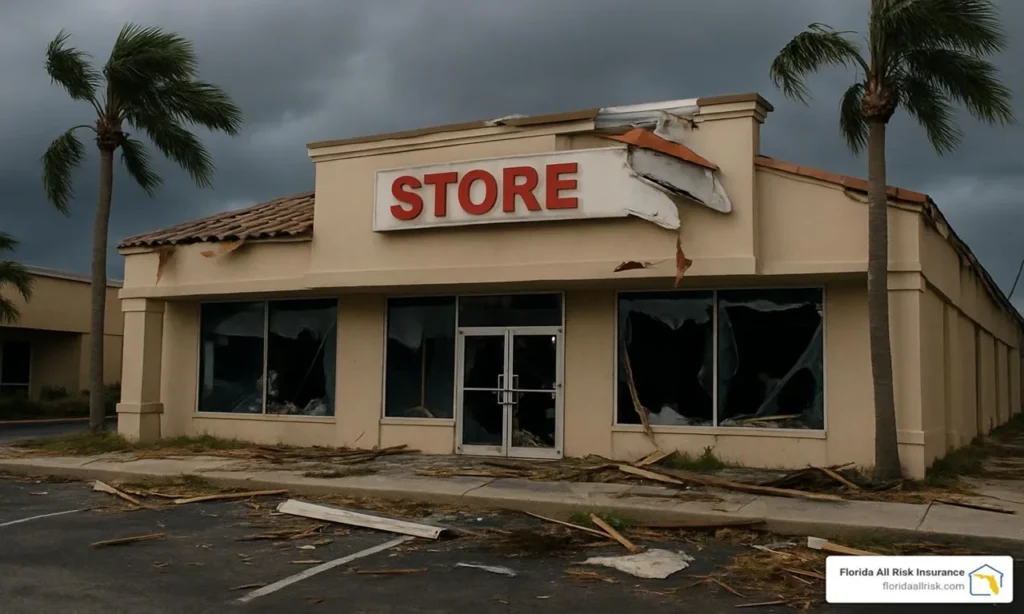
Retail businesses rely on daily customer traffic, making business interruption insurance especially valuable after fires, storms, or other covered disasters. Lost sales combined with continuing expenses such as rent, payroll, inventory financing, and utilities can create severe financial challenges. Insurance helps retailers recover more quickly by replacing lost income during restoration. Understanding retail-specific coverage benefits helps store owners protect profitability while maintaining long-term customer relationships and operational continuity.
Manufacturing Companies Benefiting From Income Protection Coverage Today
Manufacturing facilities often experience substantial financial losses when equipment damage or facility closures halt production. Business interruption insurance helps manufacturers recover lost revenue while covering payroll, lease payments, utilities, and other continuing expenses during repairs. Maintaining financial stability allows production to resume efficiently after restoration. Understanding manufacturing-related coverage benefits encourages business owners to strengthen operational resilience while minimizing long-term disruptions caused by covered property damage.
Professional Service Firms Needing Business Income Protection Coverage
Law firms, accounting practices, consulting agencies, engineering firms, and healthcare offices benefit from business interruption insurance because temporary closures directly reduce revenue while ongoing expenses continue. Insurance reimbursement supports payroll, office rent, utilities, technology services, and administrative operations throughout recovery periods. Understanding the importance of interruption coverage helps professional service providers maintain financial stability while protecting client relationships and long-term business continuity following covered losses.
Restaurant Owners Protecting Revenue Through Business Insurance Policies
Restaurants face significant financial risks when fires, storms, equipment failures, or property damage interrupt operations. Business interruption insurance helps restaurant owners replace lost income while covering payroll, rent, utilities, loan payments, and other operating expenses during recovery. Financial support enables businesses to reopen faster while retaining employees and customer loyalty. Understanding restaurant-specific interruption coverage strengthens long-term resilience and improves recovery following unexpected operational disruptions.
Healthcare Facilities Utilizing Business Interruption Insurance Protection Successfully
Medical clinics, dental practices, pharmacies, and healthcare facilities depend on continuous operations to serve patients effectively. Business interruption insurance helps replace lost revenue while supporting payroll, facility expenses, equipment leases, and administrative costs during temporary closures caused by covered property damage. Understanding healthcare-related insurance benefits enables providers to protect financial stability while maintaining patient confidence and ensuring efficient recovery after operational interruptions.

Understanding Claim Documentation Requirements For Faster Approvals Efficiently
Proper documentation plays a vital role in successful business interruption insurance claims. Business owners should maintain financial statements, tax returns, payroll records, invoices, inventory reports, repair estimates, photographs of damage, and communication with insurers throughout the recovery process. Organized documentation strengthens claim accuracy while reducing approval delays. Understanding documentation requirements helps businesses maximize insurance reimbursements and improve recovery outcomes following covered operational interruptions.
Financial Planning Using Business Interruption Insurance Strategies Successfully
Comprehensive business interruption insurance supports broader financial planning by protecting cash flow, preserving working capital, maintaining loan payments, and reducing reliance on emergency borrowing during disasters. Insurance serves as a valuable financial safeguard that complements emergency reserves and disaster recovery planning. Understanding interruption coverage within overall financial strategies encourages business owners to strengthen operational resilience while protecting future growth and long-term profitability.
Reviewing Business Insurance Policies Before Annual Renewals Carefully
Annual policy reviews help businesses ensure business interruption insurance continues matching current revenue, operating expenses, staffing levels, and financial obligations. Business growth, expansion, inflation, and changing operational risks often require updated coverage limits. Regular reviews reduce the likelihood of underinsurance while improving claim outcomes after covered losses. Understanding the importance of annual evaluations strengthens financial protection and long-term business continuity planning.
Technology Improving Business Interruption Insurance Claims Processing Today
Technology continues transforming business interruption insurance through digital claims filing, cloud-based documentation, artificial intelligence assessments, online policy management, and real-time communication platforms. Businesses can submit evidence faster while monitoring claim progress electronically. These innovations reduce administrative delays and improve customer experiences throughout recovery. Understanding technological advancements helps business owners maximize insurance efficiency while receiving quicker financial support following covered operational interruptions.
Future Trends Transforming Business Insurance Industry Protection Solutions
The future of business interruption insurance continues evolving through predictive analytics, artificial intelligence, advanced risk modeling, cloud-based business continuity planning, and digital claims automation. Insurance companies increasingly develop customized solutions addressing emerging operational risks. Understanding future industry trends helps business owners prepare for changing insurance markets while strengthening financial protection and operational resilience against increasingly complex business interruptions.
Choosing Financially Strong Commercial Insurance Providers Carefully Today
Selecting financially stable insurers remains essential when purchasing business interruption insurance. Business owners should evaluate insurer financial ratings, commercial claims experience, customer satisfaction, policy flexibility, and industry reputation before making coverage decisions. Reliable insurance companies consistently deliver dependable claims service during major business disruptions. Understanding insurer quality improves confidence while ensuring businesses receive reliable financial assistance when recovering from covered operational losses.
Managing Operational Risks Through Comprehensive Insurance Planning Strategies
Comprehensive business interruption insurance forms an essential part of effective business risk management. Combining interruption coverage with commercial property, liability, cyber, and workers’ compensation insurance creates stronger overall financial protection. Diversified insurance planning reduces exposure to multiple business risks while supporting operational continuity. Understanding integrated risk management encourages smarter insurance decisions that strengthen long-term business success and financial stability.
Avoiding Common Business Insurance Buying Mistakes Successfully Today
Many business owners purchase business interruption insurance based only on premium costs while overlooking waiting periods, coverage limits, restoration periods, endorsements, exclusions, and extra expense benefits. These mistakes may leave businesses underinsured during major disruptions. Comparing complete policy features instead of price alone helps companies secure stronger financial protection. Understanding common purchasing mistakes supports better insurance decisions while maximizing long-term operational resilience.
Preparing Disaster Recovery Plans Alongside Insurance Coverage Successfully
Disaster recovery planning works best when combined with business interruption insurance. Businesses should develop emergency communication procedures, data backup systems, employee response plans, supplier alternatives, and financial recovery strategies before disasters occur. Insurance provides financial protection, while disaster planning improves operational efficiency during recovery. Understanding the relationship between planning and insurance helps companies minimize downtime while protecting long-term profitability and customer confidence.
Choosing Business Interruption Insurance With Complete Confidence Always
Selecting the right business interruption insurance requires comparing coverage limits, waiting periods, restoration periods, extra expense benefits, insurer reputation, endorsements, and financial strength carefully. Businesses that thoroughly evaluate multiple policies generally secure stronger financial protection against unexpected operational disruptions. Thoughtful insurance planning preserves revenue, protects employees, maintains customer relationships, and supports long-term business success. Smart decisions today provide lasting financial security and confidence when unforeseen interruptions threaten normal business operations.
Understanding Business Interruption Insurance Policy Exclusions Carefully Today
Every business interruption insurance policy contains exclusions that identify situations where coverage does not apply. Common exclusions may include floods, earthquakes, pandemics, utility failures, or losses resulting from uncovered property damage unless additional endorsements are purchased. Carefully reviewing policy exclusions before purchasing coverage helps business owners avoid unexpected claim denials and financial surprises. Understanding these limitations allows companies to compare insurance options more effectively while selecting comprehensive protection that aligns with operational risks, industry requirements, and long-term business continuity objectives.
Comparing Standard Policies With Endorsement Coverage Options Carefully
Many businesses enhance business interruption insurance by adding specialized endorsements that expand protection beyond standard policy limits. Optional endorsements may cover contingent business interruptions, utility service disruptions, equipment breakdowns, or civil authority losses depending on business needs. Comparing standard policies alongside available endorsements helps owners customize coverage for industry-specific risks. Understanding endorsement options strengthens financial protection while reducing operational vulnerabilities that could otherwise create substantial revenue losses during unexpected business interruptions.
Managing Cash Flow During Extended Business Recovery Periods Successfully
Maintaining healthy cash flow remains essential during prolonged closures covered by business interruption insurance. Insurance reimbursements help businesses continue paying vendors, lenders, landlords, employees, utilities, and essential operating expenses while normal operations gradually resume. Effective financial management during recovery prevents unnecessary borrowing and protects long-term profitability. Understanding cash flow planning alongside insurance benefits enables companies to recover more efficiently while preserving customer confidence and maintaining stable financial operations throughout restoration periods.
Benefits Of Annual Business Insurance Coverage Reviews Regularly
Annual reviews ensure business interruption insurance continues matching changing business operations, revenue growth, payroll obligations, inventory values, and financial responsibilities. Expanding businesses often require higher coverage limits than originally purchased to remain fully protected. Reviewing policies each year also identifies outdated endorsements, changing risks, and improved insurance options. Understanding the value of routine insurance evaluations helps business owners strengthen financial security while maintaining comprehensive protection against evolving operational challenges.
Reviewing Claim Procedures Before Business Emergencies Occur Carefully
Understanding claim procedures before disasters occur significantly improves outcomes under business interruption insurance. Business owners should know how to notify insurers, document property damage, maintain financial records, calculate income losses, and communicate with claims adjusters efficiently. Preparing these procedures in advance minimizes confusion during emergencies while accelerating financial recovery. Understanding claim requirements strengthens operational readiness and helps businesses receive timely insurance reimbursements following covered interruptions and unexpected property losses.
Technology Enhancing Commercial Insurance Risk Management Solutions Continuously
Modern technology continues improving business interruption insurance through cloud computing, artificial intelligence, predictive analytics, remote monitoring, and digital risk assessment tools. These innovations help businesses identify vulnerabilities before losses occur while simplifying claims processing and policy management. Companies using advanced technology often improve operational resilience and disaster preparedness. Understanding technological advancements encourages smarter insurance planning while supporting stronger financial protection against evolving commercial risks and operational interruptions.
Future Innovations Strengthening Commercial Insurance Protection Strategies Today
The future of business interruption insurance includes advanced predictive modeling, artificial intelligence underwriting, automated claims processing, real-time risk monitoring, and personalized commercial insurance solutions. Insurance providers continue developing innovative products that address emerging business risks while improving customer experiences. Business owners who remain informed about future insurance developments can adapt coverage more effectively. Understanding industry innovation supports proactive financial planning while strengthening long-term operational resilience and sustainable business growth.
Building Financial Stability Through Comprehensive Business Insurance Planning
Reliable business interruption insurance forms an essential foundation of comprehensive business risk management by protecting revenue, preserving cash reserves, supporting payroll, and maintaining essential operations after unexpected disasters. Combined with property, liability, cyber, and workers’ compensation insurance, interruption coverage creates stronger financial stability. Understanding integrated insurance planning helps businesses minimize financial uncertainty while protecting long-term investments, customer relationships, employee retention, and future organizational success despite unforeseen operational disruptions.
Avoiding Common Business Interruption Insurance Buying Mistakes Successfully
Many companies purchase business interruption insurance without accurately calculating income losses, reviewing exclusions, updating coverage limits, understanding waiting periods, or evaluating insurer financial strength. These mistakes often reduce available financial protection when major disruptions occur. Comparing complete policy features instead of focusing solely on premiums results in better insurance decisions. Understanding common purchasing errors helps business owners maximize policy value while protecting long-term profitability, operational continuity, and overall business resilience.
Choosing Business Interruption Insurance With Complete Confidence Always
Selecting the right business interruption insurance requires careful comparison of coverage limits, waiting periods, restoration periods, extra expense benefits, endorsements, exclusions, insurer reputation, and financial strength. Businesses that evaluate multiple providers typically secure stronger protection against unexpected operational interruptions while maintaining stable cash flow during recovery. Smart insurance planning protects employees, customers, business assets, and long-term profitability. Thoughtful decisions today provide lasting financial confidence, operational resilience, and dependable support whenever unforeseen disasters temporarily interrupt normal business operations.
FAQs
What is business interruption insurance?
Business interruption insurance replaces lost business income and covers ongoing operating expenses after a covered event temporarily interrupts business operations.
What events are usually covered?
Most policies cover interruptions caused by fires, storms, vandalism, explosions, and other covered property damage events.
Does business interruption insurance cover employee payroll?
Yes. Many policies help cover payroll expenses while the business recovers from a covered interruption.
How long does business interruption coverage last?
Coverage generally continues until repairs are completed, normal operations resume, or policy limits are reached.
Is physical property damage required?
Yes. Standard business interruption insurance usually requires direct physical damage from a covered event before benefits apply.
Can small businesses benefit from this insurance?
Absolutely. Small businesses often rely on interruption coverage to survive temporary closures and maintain financial stability.
Why should businesses compare multiple insurance providers?
Comparing providers helps businesses find stronger coverage, better claim service, competitive premiums, and higher overall policy value.
Conclusion
Business interruption insurance provides essential financial protection that helps companies survive unexpected operational disruptions caused by covered property damage. By replacing lost income and covering ongoing operating expenses, this coverage enables businesses to recover without exhausting savings or taking on unnecessary debt. Comparing policy limits, waiting periods, endorsements, exclusions, restoration periods, and insurer reputation allows business owners to choose protection that matches their operational risks. A well-designed insurance strategy strengthens financial stability, preserves customer relationships, supports employee retention, and promotes long-term business success. Investing in comprehensive interruption coverage today ensures greater resilience, faster recovery, and lasting confidence during future business emergencies.