
Introduction
Fire and theft insurance provides valuable financial protection for vehicle owners against two of the most expensive and unexpected risks. Have you considered how much replacing your vehicle or repairing major fire damage could cost without proper insurance? Many drivers focus only on accident coverage while overlooking losses caused by fire, theft, attempted theft, or vandalism. Choosing the right insurance policy helps reduce financial stress and ensures faster recovery after unexpected incidents. Understanding how fire and theft insurance works, what it covers, and when it is worth purchasing enables drivers to make informed decisions while protecting both their valuable assets and long-term financial security.
Understanding Fire And Theft Insurance Coverage Benefits
Fire and theft insurance protects vehicle owners against financial losses resulting from fire damage, vehicle theft, attempted theft, and certain related incidents. Unlike basic liability coverage, this policy focuses specifically on protecting your own vehicle rather than damages caused to others. Many insurers include protection against accidental fires, electrical faults, explosions, and criminal theft. Understanding the scope of coverage helps drivers compare policies more effectively. Selecting comprehensive protection ensures valuable financial support when unexpected losses occur, reducing out-of-pocket expenses and providing greater peace of mind throughout vehicle ownership.
Why Fire And Theft Insurance Matters For Drivers
Unexpected vehicle fires or theft can create devastating financial burdens for drivers and families. Fire and theft insurance helps reduce these risks by providing compensation for covered losses that might otherwise require substantial personal spending. Modern vehicles contain expensive technology and replacement parts, making repairs or replacement increasingly costly. Without proper coverage, recovering from such incidents can become financially overwhelming. Investing in specialized protection allows vehicle owners to safeguard valuable assets while maintaining greater financial stability during stressful and unpredictable situations involving fire or criminal activity.
What Fire And Theft Insurance Usually Covers Completely
Most fire and theft insurance policies provide protection against accidental fires, electrical fires, theft, attempted theft, explosion damage, and certain vandalism incidents associated with theft. Coverage generally extends to repairing damaged vehicles or compensating owners when vehicles cannot be recovered. However, every insurer applies different exclusions and policy conditions. Reading policy documents carefully helps consumers understand exactly what protection they receive. Comparing multiple providers ensures stronger coverage while helping drivers avoid unpleasant surprises when filing insurance claims after unexpected vehicle losses.
Comparing Fire And Theft Insurance With Comprehensive Coverage
Many drivers confuse fire and theft insurance with comprehensive insurance because both provide protection against non-collision losses. However, comprehensive coverage usually includes additional protections such as weather damage, falling objects, floods, and animal collisions. Fire and theft insurance focuses specifically on fire-related losses and vehicle theft. Understanding these differences helps consumers choose policies matching their financial needs and risk exposure. Careful comparison prevents unnecessary spending while ensuring adequate protection against the most relevant threats affecting vehicle ownership.
Common Causes Of Vehicle Fire Insurance Claims Today
Vehicle fires occur more frequently than many drivers realize and often result from mechanical failures, electrical faults, overheating engines, fuel leaks, or accidents. Fire and theft insurance provides valuable protection against these unexpected incidents when covered by policy terms. Modern vehicles contain complex electrical systems that occasionally develop dangerous malfunctions. Regular maintenance reduces risks but cannot eliminate every possibility. Understanding common fire causes encourages preventative maintenance while highlighting the importance of maintaining adequate insurance coverage for costly fire-related vehicle damage.
Vehicle Theft Risks Increasing Across Modern Cities Worldwide
Vehicle theft continues affecting thousands of drivers annually despite improvements in security technology. Fire and theft insurance helps protect owners from severe financial losses when criminals steal or significantly damage vehicles. Organized theft groups often target popular models with high resale value or valuable components. Urban areas typically experience higher theft rates because of larger vehicle populations and increased criminal activity. Understanding local theft risks encourages drivers to combine strong insurance protection with effective security measures for maximum financial and personal protection.
How Insurance Companies Calculate Policy Premium Costs
Insurance providers evaluate several factors before determining fire and theft insurance premiums. Vehicle value, theft rates, parking location, security systems, driver history, geographic region, and previous claims all influence pricing. Newer vehicles or models frequently targeted by thieves often carry higher premiums because insurers face greater financial exposure. Drivers who install anti-theft devices or secure garage parking may qualify for discounts. Understanding premium calculations helps consumers identify opportunities to reduce insurance costs while maintaining strong protection against major financial losses.
Best Vehicles Benefiting From Fire Theft Protection Policies
Certain vehicles benefit more from fire and theft insurance than others. New vehicles, luxury cars, sports cars, electric vehicles, and high-value SUVs often justify specialized protection because replacement costs remain substantial. Financed vehicles may also require broader insurance coverage under lender agreements. Older vehicles with limited market value may not always require separate fire and theft policies depending on financial circumstances. Evaluating vehicle value alongside insurance costs helps owners make informed decisions that balance affordability with meaningful financial protection.
Understanding Policy Exclusions Before Purchasing Insurance Coverage
Every fire and theft insurance policy contains exclusions that define situations where claims may not qualify for compensation. Common exclusions include intentional damage, fraudulent claims, unauthorized vehicle use, certain modifications, and negligence. Some policies also exclude valuables left inside stolen vehicles. Reading policy terms carefully helps drivers understand coverage limitations before purchasing insurance. Awareness of exclusions reduces misunderstandings during claims and enables consumers to select policies offering stronger protection with fewer coverage restrictions and unexpected claim denials.
Importance Of Anti Theft Security Systems Installation
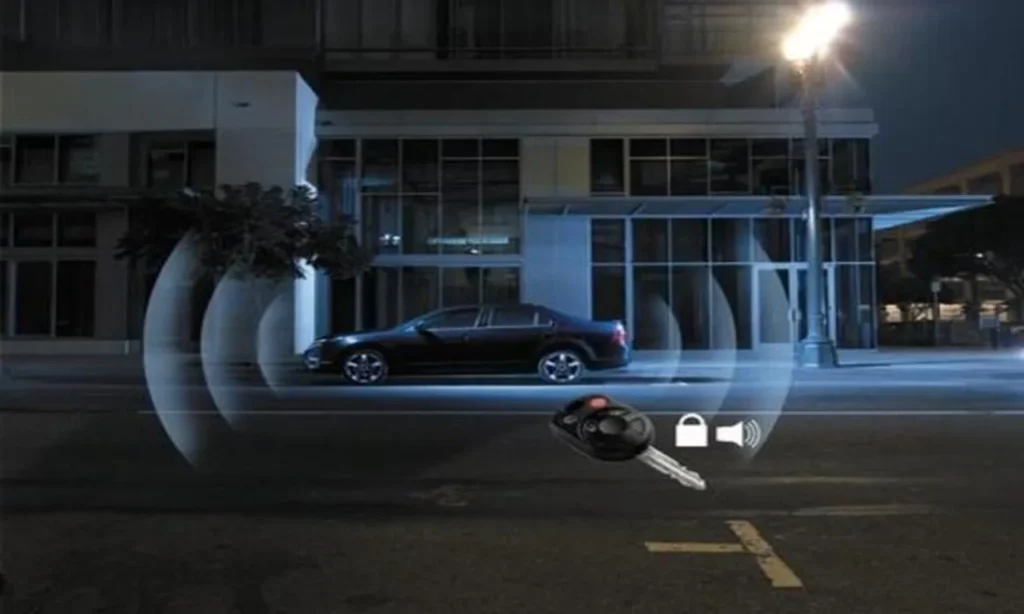
Installing modern security systems can improve vehicle safety while lowering fire and theft insurance premiums. Alarm systems, GPS tracking devices, steering wheel locks, immobilizers, and secure parking locations significantly reduce theft risks. Many insurance companies reward these preventative measures with premium discounts because protected vehicles generate fewer claims. Investing in quality security equipment not only improves physical protection but also contributes to long-term insurance savings. Combining security technology with appropriate insurance creates stronger overall financial protection against theft-related losses.
How Claims Process Works After Vehicle Theft Incidents
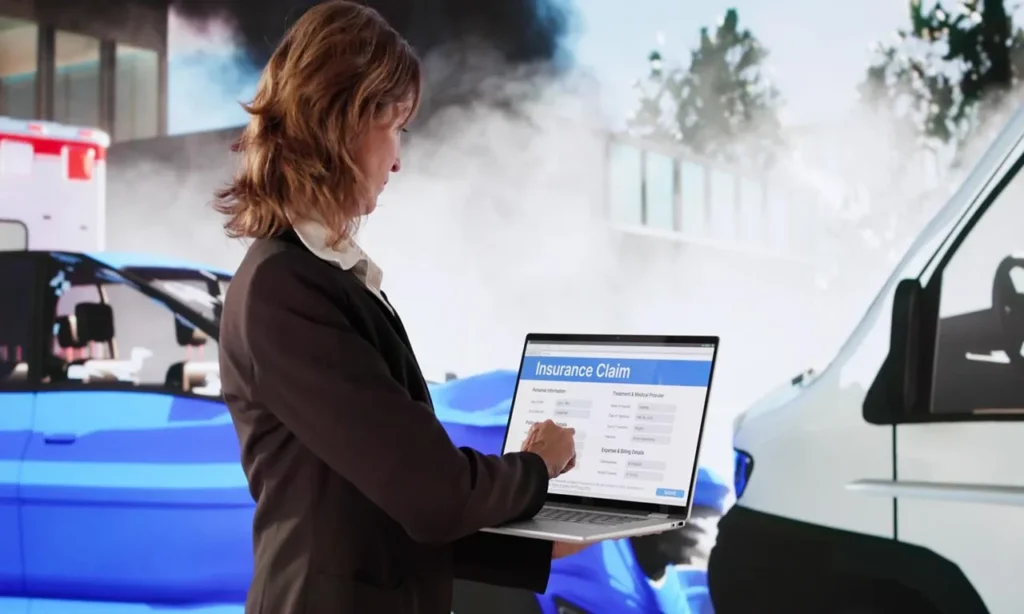
Filing claims under fire and theft insurance requires prompt reporting, proper documentation, and cooperation with insurers during investigations. Drivers should notify police immediately after discovering vehicle theft and obtain official incident reports. Insurance companies typically request ownership documents, policy information, and claim forms before evaluating compensation eligibility. Accurate documentation often speeds claim processing and improves settlement outcomes. Understanding claims procedures before emergencies occur helps consumers respond efficiently while reducing delays during stressful situations involving stolen or unrecovered vehicles.
Recovering Financial Losses After Vehicle Fire Damage
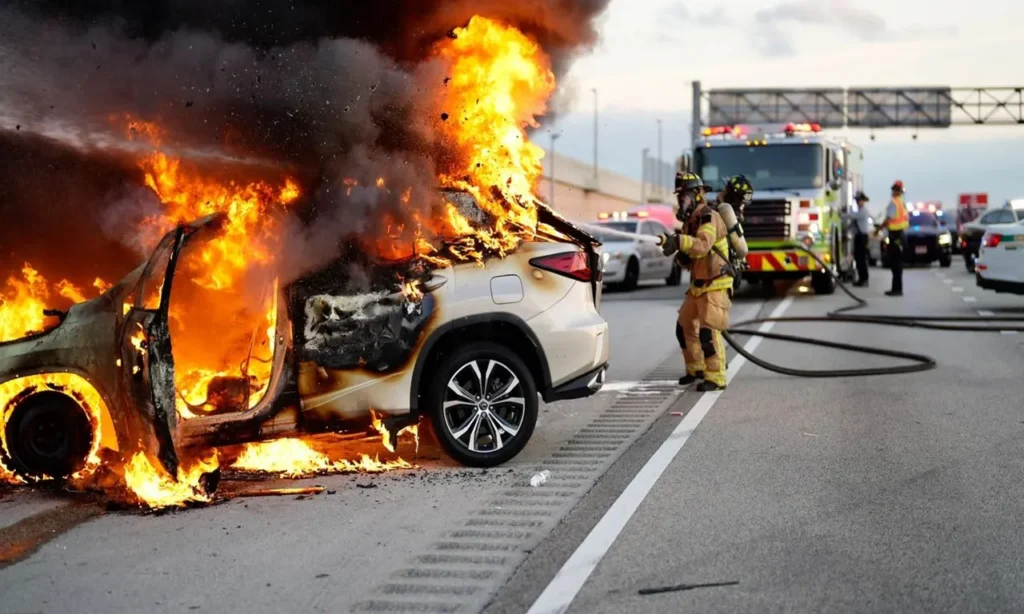
Serious vehicle fires often create repair costs exceeding thousands of dollars, making fire and theft insurance an essential financial safeguard. Insurers assess damage severity before determining repair eligibility or total loss compensation. Quick reporting and detailed evidence help strengthen claims while improving settlement efficiency. Drivers should avoid operating fire-damaged vehicles until professional inspections confirm safety. Understanding post-fire claim procedures enables vehicle owners to recover financially while minimizing delays, reducing stress, and restoring transportation arrangements following unexpected fire incidents.

Comparing Insurance Companies Offering Fire Theft Policies
Not all insurers provide identical fire and theft insurance coverage, making careful comparison essential before purchasing policies. Drivers should evaluate premiums, coverage limits, deductibles, exclusions, customer service quality, claims handling efficiency, and financial stability. Independent customer reviews and insurer ratings provide valuable insights beyond advertised prices. Selecting providers based solely on low premiums may lead to weaker protection during claims. Comprehensive comparison shopping helps consumers identify policies delivering stronger value, dependable service, and long-term financial security.
Discount Opportunities Available For Responsible Vehicle Owners
Many insurers offer discounts that reduce fire and theft insurance premiums without lowering coverage quality. Safe driving records, anti-theft devices, garage parking, multiple policy bundles, and long-term customer loyalty frequently qualify for reduced rates. Consumers should ask insurers about every available discount before purchasing coverage. Small savings opportunities often combine to produce substantial long-term financial benefits. Understanding discount programs allows drivers to maximize affordability while maintaining reliable protection against costly vehicle fires, theft incidents, and related financial losses.
Avoiding Common Mistakes When Buying Insurance Policies
Many consumers purchase fire and theft insurance without carefully reviewing policy conditions, exclusions, deductibles, or compensation limits. Others focus entirely on premium prices while ignoring claims service quality and insurer reputation. These mistakes may result in disappointing claim experiences after significant losses. Comparing multiple providers, understanding policy details, and asking informed questions improve purchasing decisions. Well-informed consumers secure stronger financial protection while avoiding unnecessary coverage gaps that could increase personal financial responsibility after fire or theft incidents.
Understanding Deductibles Within Fire Theft Insurance Policies
Deductibles play an important role in determining both premium costs and claim payouts under fire and theft insurance. A higher deductible generally lowers monthly premiums, while a lower deductible increases insurance costs. Drivers should choose deductible amounts that remain affordable during emergencies without creating unnecessary financial hardship. Selecting the right balance improves long term insurance value while maintaining adequate protection. Understanding how deductibles influence policy expenses helps consumers customize coverage according to their financial circumstances, vehicle value, and overall risk management strategy.
How Vehicle Age Influences Insurance Coverage Decisions
Vehicle age significantly affects whether fire and theft insurance provides strong financial value. Newer vehicles usually benefit from specialized protection because replacement and repair costs remain high. Older vehicles with lower market values may not justify separate fire and theft coverage if annual premiums approach vehicle worth. Drivers should compare insurance expenses with current market values before making decisions. Evaluating depreciation, repair costs, and financial goals helps consumers determine whether maintaining specialized protection remains a practical long term investment.
Fire And Theft Insurance For Financed Vehicle Owners
Lenders frequently require borrowers to maintain broader insurance protection while vehicle loans remain active. Fire and theft insurance helps protect both borrowers and financial institutions against unexpected losses resulting from theft or fire damage. If financed vehicles become total losses, insurance compensation reduces financial exposure for all involved parties. Borrowers should review lender requirements carefully before selecting coverage. Understanding financing obligations helps consumers remain compliant while ensuring valuable assets receive appropriate financial protection throughout the repayment period.
Weather Related Fires And Insurance Claim Protection Benefits
Extreme weather conditions occasionally contribute to vehicle fires through lightning strikes, wildfires, excessive heat, or electrical damage. Fire and theft insurance may provide financial protection depending on policy conditions and covered causes. Climate related events continue increasing in many regions, making specialized protection more valuable than ever. Drivers living near wildfire zones or severe weather regions should evaluate policy terms carefully. Understanding environmental risks supports better insurance planning while improving financial preparedness against unpredictable natural disasters affecting vehicle safety.
Evaluating Vehicle Replacement Costs Before Policy Selection
Vehicle replacement costs continue increasing because of advanced technology, supply chain challenges, and rising manufacturing expenses. Fire and theft insurance helps reduce financial burdens associated with replacing stolen or destroyed vehicles. Drivers should regularly review vehicle market values when evaluating insurance needs. Policies should provide sufficient compensation to minimize financial hardship after covered losses. Understanding replacement costs enables consumers to select appropriate protection levels while avoiding underinsurance that could create substantial personal expenses following major incidents.
Importance Of Immediate Reporting After Vehicle Theft Occurs
Quick reporting remains essential for successful fire and theft insurance claims involving stolen vehicles. Drivers should immediately contact local law enforcement, notify insurance companies, and preserve all relevant documentation. Delayed reporting may complicate investigations or slow compensation processes. Police reports often become important evidence during insurance claim evaluations. Understanding reporting requirements before emergencies occur helps consumers respond efficiently while improving claim outcomes. Prompt action increases recovery opportunities and supports faster financial assistance following vehicle theft incidents.
Electronic Vehicle Systems Increasing Fire Safety Standards
Modern vehicles incorporate sophisticated electronic monitoring systems designed to reduce fire risks and improve safety. Although technology lowers accident frequency, fire and theft insurance remains essential because mechanical failures and electrical malfunctions still occur. Advanced warning systems cannot eliminate every potential hazard. Manufacturers continue improving fire prevention technologies, yet unexpected failures occasionally cause significant damage. Understanding both technological advancements and remaining risks helps consumers appreciate the continued importance of comprehensive financial protection against vehicle fires.
Comparing Repair Costs Against Insurance Premium Investments
Drivers should evaluate repair costs when deciding whether fire and theft insurance offers sufficient long term value. Minor repair expenses may not justify extensive coverage for older vehicles, while newer vehicles often require costly specialized repairs. Insurance provides valuable financial support when unexpected losses exceed personal savings. Comparing premium expenses with potential repair bills allows consumers to make practical financial decisions. Careful analysis helps balance affordability with meaningful protection while reducing unnecessary insurance costs over many years of vehicle ownership.
How Location Influences Fire Theft Insurance Premiums
Geographic location strongly influences fire and theft insurance pricing because insurers evaluate regional crime statistics, wildfire exposure, traffic conditions, and historical claim frequency. Urban areas generally experience higher theft risks, while rural regions may face different environmental hazards. Drivers living in high risk areas often pay higher premiums due to increased insurance exposure. Understanding location based pricing helps consumers compare quotes realistically while identifying opportunities for discounts through secure parking, security systems, and responsible vehicle ownership practices.
Benefits Of Combining Multiple Insurance Policies Together
Bundling multiple insurance products often reduces fire and theft insurance costs while simplifying policy management. Many insurers provide discounts when customers combine vehicle, home, renters, or life insurance coverage. Bundled policies also streamline billing, improve customer relationships, and occasionally provide enhanced loyalty rewards. Consumers should compare bundled pricing against separate policies to verify actual savings. Understanding bundling opportunities helps drivers maximize affordability while maintaining comprehensive protection across multiple personal insurance needs and long term financial responsibilities.
Choosing Reliable Insurance Providers With Strong Reputations
Insurance quality extends beyond premium pricing when selecting fire and theft insurance providers. Reliable companies consistently deliver responsive customer service, efficient claims processing, financial stability, and transparent policy terms. Independent financial ratings and customer satisfaction reviews provide valuable guidance during provider selection. Choosing reputable insurers improves confidence during emergencies and reduces claim related frustrations. Careful evaluation of company performance helps consumers secure dependable protection while establishing long term relationships with financially strong insurance organizations.
Understanding Policy Limits Before Filing Insurance Claims
Every fire and theft insurance policy contains compensation limits that determine maximum claim payments. Drivers should understand these limits before experiencing vehicle losses. Insufficient coverage may leave owners responsible for significant remaining expenses following major theft or fire incidents. Reviewing policy documents carefully ensures protection aligns with vehicle value and financial expectations. Understanding compensation limits improves claim preparedness while reducing misunderstandings during settlement negotiations. Strong policy awareness supports better financial planning and more informed insurance purchasing decisions.
How Technology Improves Modern Insurance Claim Processing
Technology continues transforming fire and theft insurance claims through digital reporting systems, mobile applications, artificial intelligence, and online documentation tools. These innovations improve communication, accelerate investigations, and simplify settlement procedures. Drivers can often submit photographs, police reports, and supporting documents electronically. Faster processing reduces stress while improving overall customer experiences. Understanding available digital services helps consumers take advantage of modern insurance technology and receive financial assistance more efficiently after covered vehicle fire or theft incidents.
Preventing Vehicle Theft Through Smart Safety Habits
Preventative measures complement fire and theft insurance by reducing theft risks before losses occur. Drivers should lock vehicles consistently, avoid leaving valuables visible, park in well lit areas, and install approved security devices. GPS tracking systems and steering wheel locks provide additional protection against criminal activity. Responsible ownership lowers claim frequency while potentially qualifying drivers for premium discounts. Combining practical security habits with reliable insurance creates stronger financial protection and reduces the likelihood of costly vehicle theft experiences.
Future Trends Affecting Fire Theft Insurance Industry Growth
The fire and theft insurance industry continues evolving alongside advancements in vehicle technology, connected cars, artificial intelligence, and enhanced security systems. Electric vehicles, improved tracking technologies, and predictive risk analysis may reshape future insurance pricing models. Insurers increasingly rely on digital data to evaluate risks and improve claims efficiency. Consumers who stay informed about industry developments can adapt more effectively to changing coverage options. Understanding future trends helps drivers make proactive insurance decisions while preparing for evolving transportation and security challenges.
Managing Long Term Financial Risks Through Insurance Protection
Vehicle ownership always involves financial risks that extend beyond collisions alone. Fire and theft insurance provides specialized protection against two of the most expensive unexpected losses drivers may experience. Proper insurance planning reduces financial uncertainty while preserving savings and long term economic stability. Consumers should review coverage regularly as vehicle values and personal circumstances change. Strategic insurance management strengthens financial resilience and ensures dependable protection remains available whenever serious vehicle related emergencies unexpectedly arise.
Reviewing Insurance Policies Before Annual Renewal Periods
Annual policy reviews help drivers maintain effective fire and theft insurance coverage while identifying new savings opportunities. Premiums, vehicle values, discounts, and personal financial needs change over time. Reviewing policies before renewal allows consumers to compare providers, adjust deductibles, and update coverage limits when necessary. Regular evaluations prevent outdated policies from reducing financial value. Understanding annual review benefits supports smarter insurance management and ensures protection continues matching current vehicle ownership goals and evolving financial circumstances.
Avoiding Common Claim Mistakes During Insurance Investigations
Mistakes made during claims can delay compensation under fire and theft insurance policies. Failing to document damages, delaying police reports, providing incomplete information, or misunderstanding policy conditions may affect settlements. Drivers should preserve evidence, communicate honestly, and follow insurer instructions carefully throughout investigations. Proper preparation improves claim efficiency and reduces unnecessary disputes. Understanding common claim errors allows consumers to protect their legal rights while increasing opportunities for fair compensation following covered vehicle fire or theft incidents.
Building Strong Financial Security Through Smart Insurance Decisions
Selecting appropriate fire and theft insurance contributes significantly to long term financial security. Unexpected vehicle losses can create major expenses that disrupt savings, transportation, and family budgets. Comprehensive protection helps reduce these risks while providing dependable financial support during emergencies. Consumers should evaluate policy value based on coverage quality rather than premium cost alone. Strong insurance decisions protect valuable assets, preserve financial stability, and provide greater confidence throughout every stage of vehicle ownership.
Choosing Fire And Theft Insurance With Confidence Today
Finding the right fire and theft insurance policy requires comparing providers, understanding coverage details, reviewing exclusions, and evaluating long term financial benefits. Drivers who invest time in research typically secure stronger protection and better overall value. Insurance should serve as an important financial safeguard rather than simply meeting minimum requirements. Thoughtful comparison shopping, regular policy reviews, and responsible vehicle ownership help consumers maximize protection while maintaining affordable premiums. Careful planning ultimately delivers greater confidence, financial security, and peace of mind.
Understanding Total Loss Vehicle Insurance Settlement Procedures
When repair costs exceed a vehicle’s market value, insurers may declare it a total loss under fire and theft insurance. The insurance company evaluates the vehicle’s condition, depreciation, and current market value before determining compensation. Understanding settlement procedures helps drivers prepare realistic expectations during difficult situations. Maintaining ownership records, maintenance receipts, and vehicle documentation supports accurate valuations. Knowing how total loss claims work allows consumers to navigate negotiations confidently while maximizing financial recovery after devastating fire damage or unrecovered vehicle theft.
How Vehicle Maintenance Reduces Fire Insurance Risks Significantly
Regular maintenance helps reduce the likelihood of mechanical failures that may lead to vehicle fires. While fire and theft insurance provides financial protection after covered incidents, preventative maintenance lowers overall risk. Routine inspections of electrical systems, fuel lines, batteries, and engine components help identify potential hazards early. Drivers who follow manufacturer maintenance schedules often experience fewer mechanical failures. Combining preventative care with comprehensive insurance creates stronger financial security while improving vehicle reliability and reducing unexpected repair expenses throughout ownership.
Comparing Monthly Premiums With Annual Coverage Benefits Carefully
Drivers often focus only on monthly premium costs when purchasing fire and theft insurance, overlooking the long-term financial benefits of adequate protection. A slightly higher premium may provide significantly stronger coverage, lower deductibles, or broader claim protection. Comparing annual policy value rather than monthly payments alone helps consumers make smarter financial decisions. Evaluating overall coverage quality ensures insurance remains effective during serious losses. Long-term thinking allows drivers to balance affordability with meaningful protection and stronger financial resilience against unexpected vehicle emergencies.
Benefits Of Digital Insurance Policy Management Systems Today
Modern insurers provide digital platforms that simplify managing fire and theft insurance policies through mobile applications and secure online accounts. Drivers can review coverage details, update personal information, submit claims, download documents, and track claim progress electronically. Digital access improves convenience while reducing paperwork and communication delays. Understanding available online services helps consumers manage insurance more efficiently. Technology continues improving customer experiences by providing faster access to important policy information whenever emergencies or coverage questions arise during vehicle ownership.
Preparing Emergency Documentation Before Insurance Claims Arise
Preparing essential documentation before emergencies strengthens future fire and theft insurance claims considerably. Drivers should securely store vehicle registration documents, purchase records, photographs, maintenance receipts, insurance policies, and emergency contact information. Organized records simplify claim investigations and accelerate settlement processing after covered losses. Many policyholders overlook documentation until emergencies occur, creating unnecessary delays. Proactive preparation improves financial readiness while helping insurers verify ownership and claim eligibility quickly. Good recordkeeping remains one of the simplest ways to support successful insurance claims.
How Inflation Affects Vehicle Insurance Replacement Costs
Inflation continues increasing vehicle prices, repair expenses, and replacement costs, making fire and theft insurance increasingly valuable. Rising labor rates, expensive replacement parts, and supply chain disruptions have significantly increased claim costs across the automotive industry. Drivers should review policy limits regularly to ensure coverage remains adequate as market values change. Understanding inflation’s impact encourages proactive insurance adjustments before financial gaps develop. Properly updated coverage protects consumers from unexpected out-of-pocket expenses following major fire damage or vehicle theft incidents.
Reviewing Policy Terms Before Signing Insurance Agreements Carefully
Before purchasing fire and theft insurance, drivers should carefully review every policy condition, exclusion, deductible, compensation limit, and claim requirement. Insurance agreements often contain important details that directly affect future claim outcomes. Asking questions before signing helps eliminate misunderstandings and improves confidence during policy selection. Understanding contract terms strengthens consumer protection while reducing future disputes. Thorough policy review ensures insurance aligns with financial expectations and provides meaningful coverage against fire, theft, attempted theft, and related vehicle losses.
Protecting Financial Stability Through Comprehensive Risk Management
Effective financial planning includes protecting valuable assets with appropriate fire and theft insurance coverage. Vehicle losses can disrupt transportation, employment, savings, and family budgets if adequate protection is unavailable. Insurance transfers significant financial risks to insurers, allowing consumers to recover more quickly after covered incidents. Strategic risk management combines insurance, preventative maintenance, and vehicle security measures for maximum protection. Understanding financial risk encourages responsible insurance decisions that strengthen long-term economic stability while reducing uncertainty associated with unexpected vehicle emergencies.
Future Innovations Transforming Vehicle Insurance Protection Services
Emerging technologies continue improving fire and theft insurance through artificial intelligence, connected vehicles, predictive analytics, advanced security systems, and automated claim processing. GPS tracking, remote diagnostics, and real-time monitoring may further reduce theft risks while improving claim accuracy. Insurance providers increasingly adopt digital innovations that enhance customer experiences and streamline settlement procedures. Consumers who remain informed about technological developments can benefit from evolving coverage options, improved policy management tools, and more efficient insurance services throughout the coming years.
Choosing Fire And Theft Insurance For Lasting Protection
Selecting the right fire and theft insurance policy requires balancing affordability, coverage quality, insurer reputation, and long-term financial protection. Drivers should compare multiple providers, understand policy terms, evaluate exclusions, and review available discounts before making final decisions. Well-designed insurance provides confidence during uncertain situations while protecting valuable vehicles against devastating financial losses. Thoughtful comparison shopping and regular policy reviews ensure continued protection as circumstances change. Smart insurance decisions today help safeguard financial security and provide dependable peace of mind for years ahead.
Frequently Asked Questions
What does fire and theft insurance cover?
Fire and theft insurance generally covers vehicle damage caused by fire, theft, attempted theft, and related covered incidents.
Is fire and theft insurance worth buying?
Yes, especially for newer, financed, or high-value vehicles with significant replacement costs.
Does fire and theft insurance cover vandalism?
Many policies cover vandalism associated with theft, but coverage varies between insurers.
Can I buy fire and theft insurance without comprehensive coverage?
Yes, some insurers offer standalone fire and theft protection depending on policy options.
Does fire and theft insurance cover personal belongings?
Most policies do not cover personal belongings left inside the vehicle unless specifically stated.
How can I lower fire and theft insurance premiums?
Install approved anti-theft devices, maintain secure parking, compare insurers, and use available discounts.
How soon should I report a theft claim?
Immediately report the incident to both law enforcement and your insurance company.
Conclusion
Fire and theft insurance provides valuable financial protection against two of the most costly risks vehicle owners face. Whether dealing with unexpected fire damage, criminal theft, or attempted vehicle theft, the right insurance policy can significantly reduce financial stress and speed recovery. Understanding coverage options, policy exclusions, deductibles, and insurer reputation helps consumers make informed purchasing decisions. Regular maintenance, anti-theft security measures, and annual policy reviews further strengthen protection while improving long-term value. By comparing providers carefully and selecting coverage that matches vehicle value and personal needs, drivers can confidently protect their investments while enjoying greater financial security and lasting peace of mind.