

Introduction
Classic car insurance is specifically designed to protect vintage, antique, collectible, and specialty vehicles that require different coverage than standard automobiles. Do you own a classic vehicle that represents years of passion, restoration work, and financial investment? Traditional auto insurance policies often fail to recognize the true value of collectible cars, leaving owners underinsured when losses occur. A specialized classic car policy helps protect agreed vehicle values, restoration investments, and rare automotive assets. Understanding how classic car insurance works allows collectors to secure proper protection, reduce financial risks, and preserve the value of cherished vehicles while enjoying peace of mind during ownership.
Understanding Classic Car Insurance Coverage Requirements Today
Classic car insurance differs significantly from standard auto coverage because collectible vehicles have unique values and usage patterns. Policies often include agreed value coverage, flexible mileage limits, restoration protection, and specialized claims services. Insurers evaluate vehicle condition, rarity, and historical significance before issuing coverage. Understanding policy requirements helps collectors select appropriate protection levels. Many providers require secure storage and limited recreational use. Learning these requirements ensures vehicle owners maintain eligibility while protecting valuable automotive investments from unexpected financial losses and damage related expenses.
Why Classic Car Insurance Protects Valuable Investments
Owning a collectible vehicle often involves substantial financial commitment and emotional attachment. Classic car insurance helps protect investments by providing coverage based on the vehicle’s agreed value rather than depreciated market value. Traditional auto insurance may undervalue rare cars during claims settlements. Specialized policies recognize restoration expenses, collector demand, and vehicle rarity. Proper coverage helps owners recover financially after accidents, theft, or damage. Understanding the investment protection benefits of specialized insurance supports smarter coverage decisions and long term financial security for collectors.
How Classic Car Insurance Differs From Standard Policies
The biggest difference between classic car insurance and traditional auto insurance involves valuation methods and vehicle usage expectations. Standard policies rely on actual cash value calculations, while collector policies often use agreed value coverage. Classic vehicles are generally driven less frequently and stored more carefully than daily use automobiles. Specialized policies account for these differences when calculating premiums and coverage. Understanding these distinctions helps owners avoid coverage gaps and secure insurance that accurately reflects the unique characteristics of collectible and vintage vehicles.
Agreed Value Coverage Benefits For Classic Vehicles
Agreed value coverage is one of the most important features of classic car insurance. Before coverage begins, the insurer and owner agree upon the vehicle’s insured value. If a covered total loss occurs, the agreed amount is typically paid without depreciation adjustments. This approach provides greater financial certainty than standard valuation methods. Collectors often invest heavily in restorations and maintenance, making agreed value protection especially valuable. Understanding how agreed value coverage works helps vehicle owners secure compensation that reflects their automobile’s true worth.
Determining Eligibility For Classic Car Insurance Coverage
Not every vehicle qualifies for classic car insurance coverage. Insurers generally evaluate age, condition, rarity, collector interest, and intended vehicle use. Many providers require limited annual mileage and secure storage facilities. Daily commuting often disqualifies vehicles from collector policies. Eligibility standards vary between insurers, making comparison shopping important. Understanding qualification requirements helps owners identify suitable providers and avoid coverage complications. Meeting eligibility guidelines allows collectors to access specialized protection designed specifically for vintage and collectible automobile ownership.
Storage Requirements For Classic Car Insurance Policies
Proper storage plays a major role in maintaining classic car insurance eligibility. Most insurers require vehicles to be stored in locked garages, secured facilities, or protected structures when not in use. Secure storage reduces theft risks, weather related damage, and vandalism exposure. Insurers often offer better premiums to owners who demonstrate strong vehicle protection practices. Understanding storage expectations helps collectors maintain policy compliance while preserving vehicle condition. Safe storage remains one of the most effective ways to protect valuable automotive investments.
Mileage Restrictions Affecting Classic Car Insurance Costs
Many classic car insurance policies include annual mileage limitations because collectible vehicles are typically driven less frequently than standard automobiles. Lower mileage generally reduces accident exposure and claim risks, helping insurers offer competitive rates. Some policies allow occasional recreational driving, exhibitions, and automotive events while restricting daily commuting. Understanding mileage restrictions helps owners choose policies that align with their intended vehicle usage. Proper planning prevents coverage issues and ensures policy terms remain compatible with collector lifestyles and driving habits.
How Vehicle Condition Influences Insurance Premium Rates
The condition of a collectible automobile significantly affects classic car insurance pricing and coverage availability. Well maintained vehicles often qualify for better rates because they present lower risk profiles. Insurers may request photographs, appraisals, or inspection reports before issuing coverage. Restoration quality, originality, and mechanical condition frequently influence valuation decisions. Understanding how condition affects premiums encourages owners to maintain vehicles carefully. Regular maintenance not only preserves value but may also contribute to more favorable insurance pricing and coverage opportunities.
Classic Car Insurance For Restored Vintage Automobiles
Restored vehicles often represent substantial investments of time, money, and expertise. Classic car insurance helps protect these investments by recognizing restoration costs during valuation assessments. Owners frequently spend years restoring vintage vehicles to exceptional condition. Specialized policies consider restoration quality when determining agreed values and coverage terms. Understanding insurance options for restored automobiles helps collectors safeguard their investments effectively. Proper protection ensures restoration efforts receive appropriate financial recognition if covered losses occur in the future.
Protecting Rare Collector Vehicles Against Financial Losses
Rare automobiles often require specialized classic car insurance because replacement costs can be difficult to estimate. Limited production numbers, historical significance, and collector demand frequently increase vehicle values. Specialized policies address these unique circumstances through agreed value protection and customized coverage options. Understanding how insurance protects rare vehicles helps collectors manage financial risks effectively. Strong coverage strategies preserve investments and provide valuable peace of mind when owning automobiles that may be difficult or impossible to replace.
Comprehensive Coverage For Non Collision Vehicle Damages
Comprehensive protection within classic car insurance policies covers many risks unrelated to collisions. Coverage may include theft, fire, vandalism, severe weather, falling objects, and other unexpected events. Collectible vehicles often require additional protection because replacement parts and repairs can be expensive. Understanding comprehensive coverage benefits helps owners evaluate policy strength more effectively. Strong non collision protection reduces financial exposure and supports long term preservation of valuable automobiles. Comprehensive coverage remains an important component of effective collector vehicle risk management.
How Appraisals Support Accurate Vehicle Insurance Values
Professional appraisals often play a key role in establishing classic car insurance values. Appraisers evaluate vehicle condition, originality, restoration quality, market demand, and rarity when determining worth. Accurate appraisals help ensure agreed values reflect realistic market conditions. Insurers frequently rely on appraisal reports during underwriting and policy updates. Understanding appraisal importance helps collectors maintain appropriate coverage levels as vehicle values change. Regular valuations support stronger financial protection and improve confidence that insurance coverage reflects actual investment value.
Comparing Classic Car Insurance Companies Effectively Today
Not all insurers provide the same level of classic car insurance expertise or coverage flexibility. Some companies specialize exclusively in collector vehicles, while others offer classic coverage alongside traditional policies. Comparing providers helps owners evaluate pricing, claims services, agreed value options, and customer satisfaction levels. Reviewing policy details carefully prevents misleading comparisons based solely on premium costs. Thorough research often reveals meaningful differences in coverage quality. Selecting the right insurer contributes significantly to long term protection and overall ownership satisfaction.
Discount Opportunities Available For Classic Vehicle Owners
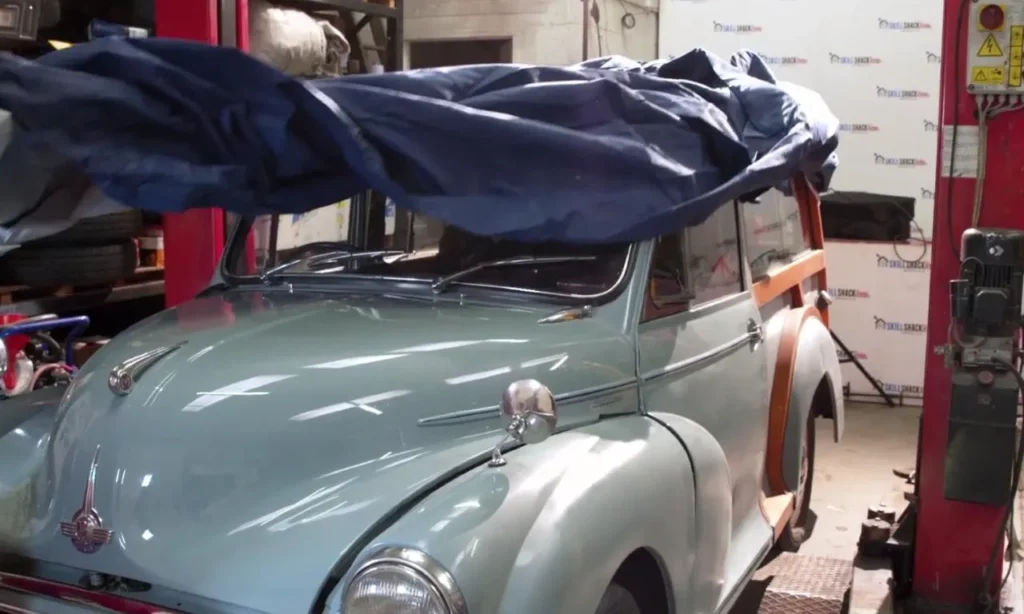
Many insurers offer discounts that reduce classic car insurance costs without compromising protection quality. Common savings opportunities include secure storage discounts, multi vehicle coverage programs, collector club memberships, and safe driving incentives. Some providers also reward owners who maintain limited annual mileage. Understanding available discounts helps collectors maximize policy value while controlling expenses. Reviewing eligibility regularly ensures owners continue benefiting from available savings programs. Strategic use of discounts supports affordable protection for valuable automotive collections.
Avoiding Common Mistakes When Buying Coverage
Many owners make mistakes when purchasing classic car insurance by focusing only on premium costs or failing to update vehicle valuations regularly. Inadequate agreed values, insufficient documentation, and misunderstanding policy restrictions can create serious problems during claims. Understanding common errors helps collectors avoid unnecessary financial risks. Reviewing coverage details carefully improves protection quality and ensures policy terms align with ownership needs. Informed purchasing decisions contribute to stronger financial security and better long term insurance outcomes for valuable collector vehicles.
Understanding Claims Process For Classic Vehicle Losses
Filing a claim under classic car insurance often differs from standard auto insurance procedures. Specialized insurers understand the unique value of collectible automobiles and frequently use experts familiar with restoration costs and collector markets. Accurate documentation, photographs, and valuation records help support claims efficiently. Owners should understand reporting requirements before losses occur. Proper preparation improves claim outcomes and reduces delays. Knowing how the claims process works helps collectors protect their investments while ensuring valuable vehicles receive fair treatment during settlements and repair evaluations.
How Theft Risks Affect Collector Vehicle Protection
Vehicle theft remains a major concern for many collectors, making classic car insurance essential for financial security. Rare automobiles often attract criminals because of their value, collectible parts, and market demand. Comprehensive coverage helps protect owners against theft related losses. Secure storage, tracking devices, and anti theft technology may reduce risks while improving eligibility for discounts. Understanding theft exposures helps collectors strengthen protection strategies. Effective risk management combined with specialized coverage provides greater confidence and financial stability throughout vehicle ownership.
Benefits Of Multi Vehicle Collector Insurance Policies
Many enthusiasts own more than one collectible automobile, making multi vehicle classic car insurance policies attractive. These programs often provide administrative convenience, consistent coverage, and potential premium discounts. Managing several collector vehicles under one policy can simplify documentation and renewals. Insurers frequently reward collectors who maintain multiple vehicles responsibly. Understanding multi vehicle coverage benefits helps owners improve policy value while ensuring adequate protection for entire collections. Consolidated coverage often supports better long term insurance management and financial efficiency.
How Market Trends Influence Vehicle Insurance Values
Collector vehicle markets constantly evolve, affecting classic car insurance valuation decisions. Rising demand, auction results, restoration trends, and historical significance may increase vehicle values significantly over time. Owners should monitor market developments and update agreed values when necessary. Failure to adjust coverage can create underinsurance risks. Understanding market influences helps collectors maintain accurate protection levels. Regular policy reviews ensure insurance coverage reflects current vehicle worth and supports appropriate financial recovery if covered losses occur unexpectedly.
Protecting Classic Cars During Transportation And Shipping
Transporting collectible vehicles creates unique risks that require careful planning and appropriate classic car insurance protection. Whether attending automotive shows, auctions, or restoration facilities, owners should verify transportation coverage details. Specialized transport services often provide additional safeguards, but insurance responsibilities should be clearly understood beforehand. Vehicle damage during shipping can create costly repair needs. Understanding transportation related risks helps collectors avoid coverage gaps and ensures valuable automobiles remain protected throughout relocation and transit activities.
Classic Car Insurance For Antique Vehicle Collections
Large collections require specialized classic car insurance strategies that address varying vehicle values, usage patterns, and storage arrangements. Collectors often own automobiles from different eras with unique historical significance. Comprehensive collection coverage helps streamline insurance management while protecting diverse assets effectively. Understanding collection specific policy options supports stronger financial security and administrative efficiency. Customized solutions frequently provide better value than separate policies. Proper planning ensures every vehicle receives appropriate protection based on its individual characteristics and market value.
How Restoration Projects Affect Insurance Coverage Needs
Ongoing restoration projects create unique challenges within classic car insurance planning. Vehicles undergoing restoration may have fluctuating values depending on project progress and completed work. Some insurers offer specialized coverage designed specifically for restoration situations. Protecting parts, tools, and unfinished vehicles may require additional policy considerations. Understanding restoration related coverage options helps owners avoid financial risks during project development. Proper insurance planning supports restoration investments while ensuring valuable components remain protected throughout the rebuilding process.
Understanding Spare Parts Coverage For Collectors Today
Many classic vehicle owners maintain extensive inventories of rare replacement parts. Classic car insurance policies may offer optional protection for these valuable components. Spare parts often represent significant investments because availability can be limited and replacement costs high. Understanding available coverage options helps collectors protect both vehicles and supporting inventories. Proper documentation of parts collections strengthens claims support and valuation accuracy. Including spare parts coverage enhances overall protection strategies and reduces financial exposure associated with valuable automotive components.
Evaluating Financial Strength Of Insurance Providers Carefully
The financial stability of a provider is an important consideration when purchasing classic car insurance. Strong insurers possess the resources necessary to process claims efficiently and honor coverage commitments. Independent financial ratings provide valuable insights into company performance and reliability. Understanding insurer stability helps collectors choose providers capable of supporting long term protection needs. Financial strength becomes especially important when insuring rare and high value automobiles. Thorough evaluation contributes to greater confidence in policy effectiveness and claims paying ability.
How Collector Events Influence Insurance Requirements Significantly
Car shows, exhibitions, auctions, and enthusiast gatherings often play important roles in classic vehicle ownership. Classic car insurance policies frequently accommodate these activities, but owners should verify coverage terms beforehand. Transportation risks, public exposure, and temporary storage situations may influence protection needs. Understanding event related insurance considerations helps collectors participate confidently while maintaining financial security. Proper preparation reduces potential coverage complications and ensures valuable vehicles remain protected during public appearances and collector community activities.

Liability Protection Benefits For Classic Vehicle Owners
Liability coverage remains a critical component of classic car insurance despite limited vehicle usage. Accidents involving collectible automobiles can create substantial financial exposure through property damage and injury claims. Adequate liability limits help protect personal assets and financial stability. Understanding liability protection allows owners to evaluate policy strength more effectively. Strong liability coverage supports responsible vehicle ownership while reducing risks associated with legal claims. Comprehensive financial protection requires balancing vehicle coverage with appropriate liability safeguards.
How Usage Restrictions Help Lower Insurance Premiums
Limited usage requirements often contribute to affordable classic car insurance pricing. Because collector vehicles are typically driven less frequently than daily transportation automobiles, accident risks remain lower. Insurers use these reduced exposures when calculating premiums. Understanding usage restrictions helps owners maintain eligibility and avoid policy violations. Compliance with mileage and driving limitations supports favorable pricing while preserving coverage effectiveness. Responsible usage patterns remain a key factor influencing long term affordability within specialized collector vehicle insurance programs.
Comparing Agreed Value And Stated Value Coverage
Understanding valuation methods is essential when selecting classic car insurance. Agreed value coverage guarantees a predetermined payout amount after covered total losses, while stated value policies may involve different settlement calculations. Many collectors prefer agreed value protection because it provides greater certainty and reduces valuation disputes. Comparing these approaches helps owners determine which structure best supports financial goals. Accurate valuation remains fundamental to effective insurance planning. Understanding settlement methods improves confidence when selecting specialized collector vehicle coverage.
Weather Related Risks Facing Classic Vehicle Owners
Severe weather can threaten valuable automobiles through flooding, hail, hurricanes, wildfires, and storms. Classic car insurance helps protect collectors from substantial financial losses caused by these events. Secure storage and comprehensive coverage work together to reduce exposure. Understanding regional weather risks supports stronger insurance planning and vehicle preservation strategies. Collectors should evaluate environmental threats regularly and adjust protection measures when necessary. Proactive risk management improves long term security and helps safeguard irreplaceable automotive investments against natural disasters.
Future Trends Shaping Collector Vehicle Insurance Markets
The classic car insurance industry continues evolving alongside changing collector demographics, technology advancements, and market conditions. Digital appraisals, telematics innovations, and online valuation tools are influencing coverage practices. Younger enthusiasts are also entering collector markets with different ownership preferences. Understanding future trends helps collectors adapt insurance strategies proactively. Industry developments may create new opportunities for protection, convenience, and cost savings. Staying informed supports smarter decision making and ensures insurance solutions remain aligned with emerging collector vehicle needs.
How Documentation Strengthens Insurance Claim Success Rates
Accurate documentation significantly improves classic car insurance claim outcomes. Owners should maintain photographs, restoration records, appraisal reports, receipts, and maintenance histories. Comprehensive records support valuation accuracy and help demonstrate vehicle condition before losses occur. Proper documentation reduces disputes and accelerates settlement processes. Understanding the importance of record keeping encourages proactive management of valuable automotive assets. Strong documentation practices contribute to better financial protection and provide critical support during claims investigations and valuation reviews.
Maximizing Policy Value Through Strategic Coverage Planning
Obtaining maximum value from classic car insurance requires more than choosing the lowest premium. Collectors should evaluate agreed values, coverage options, deductible amounts, and available discounts carefully. Strategic planning ensures policies provide meaningful protection without unnecessary expenses. Understanding how different coverage components interact helps owners optimize insurance effectiveness. Thoughtful policy design supports financial security and long term affordability. Well structured coverage solutions help preserve valuable automotive investments while maintaining confidence in future protection capabilities.
Building Long Term Protection For Automotive Investments
Collector vehicles often appreciate over time, making long term classic car insurance planning increasingly important. Owners should review coverage regularly and adjust agreed values as market conditions evolve. Strong protection strategies support asset preservation while reducing exposure to unexpected losses. Understanding long term insurance needs helps collectors maintain appropriate financial safeguards throughout ownership. Consistent policy management contributes to better protection outcomes and ensures valuable vehicles remain adequately insured as their significance and market value continue growing.
Avoiding Underinsurance For Valuable Collector Automobiles
Underinsurance remains one of the most significant risks facing collector vehicle owners. Classic car insurance policies should accurately reflect vehicle value, restoration investments, and market conditions. Outdated valuations may leave owners financially vulnerable after major losses. Regular appraisals and policy reviews help prevent coverage deficiencies. Understanding underinsurance risks encourages proactive coverage management and stronger financial preparedness. Adequate protection ensures collectors receive fair compensation while preserving the value of their automotive investments during challenging circumstances.
Choosing Classic Car Insurance With Complete Confidence
Selecting the right classic car insurance policy requires careful evaluation of coverage options, valuation methods, insurer reputation, and ownership goals. Collectors who understand policy details often achieve stronger protection and better long term value. Comparing providers and reviewing coverage regularly supports informed decision making. Proper insurance serves as a critical safeguard for valuable automotive assets and restoration investments. Thoughtful planning helps owners protect cherished vehicles while enjoying greater peace of mind, financial security, and confidence throughout the collector ownership experience.
Understanding Insurance Policy Renewals For Collector Vehicles
Policy renewals provide valuable opportunities to reassess classic car insurance coverage and ensure protection remains aligned with current vehicle values. Market conditions, restoration improvements, and collector demand may significantly affect automobile worth over time. Regular reviews help prevent underinsurance while identifying potential savings opportunities. Owners should update documentation, appraisals, and photographs before renewal discussions. Understanding the importance of policy updates supports stronger financial protection and helps ensure valuable collector vehicles remain adequately insured against future risks and unexpected losses.
Benefits Of Specialized Repair Network Access Programs
Many classic car insurance providers offer access to repair facilities specializing in vintage and collector automobiles. These experts understand restoration techniques, rare parts sourcing, and historical accuracy requirements. Specialized repair networks help maintain vehicle authenticity and preserve market value after covered damages occur. Standard repair facilities may lack experience with rare collector models. Understanding these benefits helps owners appreciate the value of specialized coverage. Professional restoration quality often plays a critical role in preserving long term investment value and vehicle originality.
How Collector Clubs Support Insurance Savings Opportunities
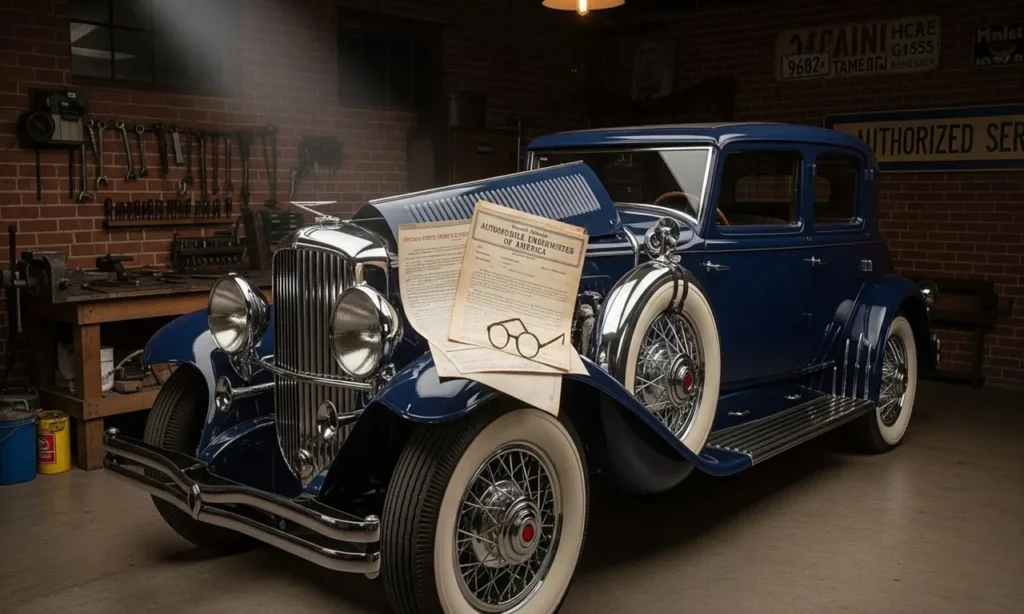
Membership in recognized automotive clubs may help owners secure discounts on classic car insurance policies. Insurers often view active club participation as evidence of responsible ownership and proper vehicle care. Collector organizations also provide educational resources, networking opportunities, and market insights that support informed decision making. Understanding available club related discounts helps owners maximize policy value. Participation within collector communities often contributes to better vehicle maintenance practices and improved awareness of insurance options, market trends, and restoration standards.
Protecting Classic Vehicles During Seasonal Storage Periods
Many owners store collector automobiles for extended periods during unfavorable weather conditions. Classic car insurance remains important even when vehicles are not actively driven because risks such as theft, fire, vandalism, and weather damage still exist. Seasonal storage planning should include reviewing coverage terms and maintaining secure facilities. Understanding storage related protection needs helps collectors preserve vehicle condition while reducing financial exposure. Proper preparation supports long term asset protection and ensures valuable automobiles remain safeguarded throughout inactive ownership periods.
How Technology Improves Modern Collector Insurance Services
Technology continues transforming the classic car insurance industry through digital appraisals, online policy management, mobile claims reporting, and enhanced valuation tools. These innovations improve convenience while helping collectors manage coverage more efficiently. Digital resources allow owners to monitor policy details and update information quickly. Understanding technological advancements helps consumers evaluate insurer capabilities and service quality more effectively. Modern insurance platforms create opportunities for improved communication, faster claims handling, and stronger customer experiences throughout the policy ownership lifecycle.
Financial Planning Benefits Of Comprehensive Insurance Protection
Strong classic car insurance coverage supports broader financial planning goals by reducing exposure to unexpected vehicle related losses. Collector automobiles often represent significant investments that deserve specialized protection. Proper insurance helps preserve wealth while reducing uncertainty associated with accidents, theft, and natural disasters. Understanding insurance as part of overall financial planning encourages more strategic coverage decisions. Effective protection helps owners safeguard valuable assets and maintain financial stability despite unpredictable circumstances affecting collectible automobile ownership.
Avoiding Coverage Mistakes During Vehicle Value Increases
Collector vehicle values may rise substantially due to restoration work, market demand, or historical significance. Classic car insurance policies should be reviewed regularly to ensure agreed values reflect these changes accurately. Failure to update coverage can result in underinsurance and inadequate settlements after losses. Understanding how appreciation affects insurance needs helps collectors maintain appropriate protection levels. Proactive policy management supports stronger financial recovery and ensures valuable automobiles remain adequately insured as market conditions and vehicle values evolve over time.
Protecting Automotive Heritage Through Proper Insurance Planning
Many collector vehicles possess historical and cultural significance beyond their monetary value. Classic car insurance helps preserve automotive heritage by providing financial resources needed for repairs, restoration, and replacement when covered losses occur. Owners often view themselves as caretakers of important automotive history. Understanding the role of insurance in preservation efforts encourages responsible ownership practices. Strong coverage strategies help ensure historically significant automobiles remain protected and available for future generations of enthusiasts and collectors.
Long Term Ownership Strategies For Insurance Success
Successful long term ownership requires thoughtful classic car insurance planning combined with proper maintenance, documentation, and storage practices. Collectors should review policies regularly, update agreed values, and monitor market trends affecting vehicle worth. Strategic planning helps maximize protection while controlling costs. Understanding long term insurance considerations supports better financial outcomes and improved asset preservation. Consistent attention to coverage needs ensures collector vehicles remain protected throughout ownership and continue representing valuable investments for years to come.
Choosing The Best Protection For Collector Vehicles
Selecting the ideal classic car insurance policy involves balancing coverage quality, agreed value protection, insurer expertise, and affordability. Owners should compare providers carefully while evaluating claims support, financial strength, and specialized services. Understanding available options helps collectors make confident decisions that align with ownership goals. Proper protection preserves vehicle value and reduces financial risks associated with collectible automobile ownership. Comprehensive planning and informed provider selection contribute to greater peace of mind, stronger financial security, and successful long term collector vehicle management.
Frequently Asked Questions
What qualifies for classic car insurance?
Most insurers require vehicles to meet age, condition, storage, and limited use requirements.
Is classic car insurance cheaper than regular insurance?
Often yes, because collector vehicles are typically driven less frequently.
What is agreed value coverage?
It guarantees a predetermined payout amount if a covered total loss occurs.
Can I drive a classic car daily?
Most classic car insurance policies restrict daily commuting and frequent use.
Do classic cars need secure storage?
Yes, many insurers require garage or secure facility storage.
How often should vehicle values be updated?
At least annually or whenever significant restoration work is completed.
Does classic car insurance cover restoration projects?
Many insurers offer specialized coverage for vehicles undergoing restoration.
Conclusion
Classic car insurance provides specialized protection designed specifically for vintage, antique, collectible, and restored automobiles. Unlike standard auto policies, it recognizes agreed vehicle values, collector market conditions, restoration investments, and limited usage patterns. Proper coverage helps owners protect valuable assets from accidents, theft, weather damage, and unexpected financial losses. Regular policy reviews, updated appraisals, secure storage, and accurate documentation strengthen long term protection. By comparing providers carefully and selecting coverage that reflects actual vehicle value, collectors can preserve both financial investments and automotive heritage. Thoughtful insurance planning ensures cherished vehicles remain protected while providing confidence, security, and peace of mind throughout the ownership journey.