

Introduction
Elder neglect attorney services become essential when vulnerable seniors suffer harm because caregivers fail to provide proper supervision, medical attention, nutrition, hygiene, or emotional support. Have you noticed unexplained weight loss, dehydration, bedsores, poor hygiene, or sudden health decline affecting an elderly loved one? These warning signs may indicate neglect that requires immediate attention. Elder neglect can occur in nursing homes, assisted living facilities, rehabilitation centers, or even private caregiving situations. Families often feel overwhelmed when discovering neglect, but understanding legal rights can make a significant difference. This guide explains how neglect occurs, what evidence strengthens claims, and how experienced legal representation helps families pursue accountability, compensation, and protection.
Understanding Elder Neglect And Legal Rights Today
Elder neglect occurs when caregivers fail to provide adequate care necessary for an older person’s health, safety, and wellbeing. Unlike intentional abuse, neglect often results from inaction, understaffing, poor supervision, or inadequate training. An elder neglect attorney investigates whether caregivers violated legal responsibilities owed to vulnerable seniors. Every elderly individual has rights to proper nutrition, medical treatment, hygiene, and protection from harm. Understanding these protections helps families recognize neglect sooner and take action before conditions worsen. Early intervention frequently prevents additional harm and strengthens potential legal claims.
Why Elder Neglect Cases Continue Rising Nationwide
The aging population has increased demand for long-term care services across the country. Many facilities struggle with staffing shortages, limited resources, and inadequate employee training. An elder neglect attorney frequently handles cases involving preventable injuries caused by these operational failures. Elderly individuals often depend entirely on caregivers for daily assistance, making neglect especially dangerous. Families should understand why neglect occurs and remain actively involved in monitoring care quality. Increased awareness helps identify warning signs sooner and protects vulnerable seniors from unnecessary suffering, declining health, and preventable injuries.
Common Warning Signs Families Should Never Ignore
Families should remain alert for signs that may indicate elder neglect. Common warning signs include dehydration, unexplained weight loss, bedsores, poor hygiene, untreated medical conditions, infections, and emotional withdrawal. An elder neglect attorney often begins investigations after these indicators become apparent. Many elderly individuals are unable to report neglect because of fear, illness, memory loss, or cognitive limitations. Families should document concerns carefully and seek medical evaluations whenever necessary. Recognizing neglect early helps prevent severe complications while preserving evidence that may later support legal claims.
How Caregiver Negligence Harms Elderly Individuals Severely
Caregiver negligence can create devastating consequences for elderly individuals who depend on assistance for daily living. Missed medications, delayed treatment, poor supervision, and inadequate nutrition often lead to serious health complications. An elder neglect attorney evaluates whether caregivers failed to meet accepted standards of care. Even seemingly minor oversights can result in hospitalization, permanent injury, or worsening medical conditions. Families should understand that negligence frequently develops through repeated failures rather than isolated mistakes. Identifying negligent behavior is critical when pursuing accountability and compensation for neglect-related harm.
Physical Indicators Frequently Revealing Serious Elder Neglect
Physical symptoms often provide the earliest evidence of neglect. Bedsores, bruises, dehydration, infections, poor hygiene, and sudden weight loss frequently indicate inadequate care. An elder neglect attorney reviews medical records and healthcare evaluations to determine whether neglect contributed to these conditions. Elderly individuals may not always communicate discomfort effectively, making observation especially important. Families should pay attention to unexplained physical changes and investigate concerns immediately. Prompt recognition of physical warning signs helps prevent further harm while strengthening potential legal claims involving elder neglect.
Emotional Effects Of Long Term Elder Neglect
Neglect affects emotional wellbeing as much as physical health. Elderly individuals experiencing neglect often become withdrawn, anxious, depressed, fearful, or emotionally distressed. An elder neglect attorney understands that emotional suffering can significantly impact compensation claims. Isolation and lack of social interaction frequently worsen mental health conditions among vulnerable seniors. Families should watch for sudden behavioral changes or loss of interest in previously enjoyed activities. Emotional harm deserves serious attention because psychological wellbeing remains an essential component of overall health, dignity, and quality of life.
Medical Neglect Creating Dangerous Health Complications Quickly
Medical neglect occurs when caregivers fail to provide necessary treatment, medications, monitoring, or healthcare services. Missed appointments, untreated infections, and delayed medical attention can rapidly worsen existing conditions. An elder neglect attorney investigates healthcare records to determine whether medical negligence contributed to injury or declining health. Elderly individuals often face increased risks because chronic conditions require consistent management. Families should monitor treatment plans carefully and question unexplained changes in care. Early intervention helps prevent serious complications and strengthens legal claims involving medical neglect.
Dehydration And Malnutrition Affecting Elderly Residents Severely
Proper hydration and nutrition are fundamental caregiving responsibilities. Neglect may occur when elderly individuals fail to receive adequate food, fluids, or assistance during meals. An elder neglect attorney frequently encounters cases involving severe dehydration and malnutrition. These conditions can cause weakness, confusion, hospitalization, and life-threatening complications. Families should watch for sudden weight loss, fatigue, and declining physical health. Ensuring adequate nutrition remains essential for maintaining strength, immunity, and overall wellbeing. Prompt action can prevent worsening conditions and support potential legal claims involving neglect.
Poor Hygiene Conditions Signaling Ongoing Neglect Problems
Poor hygiene often reveals broader caregiving failures affecting elderly individuals. Dirty clothing, unpleasant odors, skin infections, and unclean living environments may indicate neglect. An elder neglect attorney investigates whether caregivers consistently maintained acceptable standards of cleanliness and personal care. Poor hygiene not only affects dignity but also increases health risks significantly. Families should observe living conditions carefully during visits and document concerns whenever necessary. Identifying hygiene-related neglect early helps prevent infections and supports legal efforts to hold negligent caregivers accountable for inadequate care.
Falls And Injuries Resulting From Poor Supervision
Many elderly individuals require supervision, mobility assistance, and environmental safety measures to prevent injuries. Neglect may occur when caregivers fail to monitor high-risk individuals adequately. An elder neglect attorney reviews incident reports, staffing records, and care plans to determine whether supervision failures contributed to injuries. Falls frequently cause fractures, head trauma, and lengthy recovery periods. Families should investigate every serious injury carefully rather than accepting simple explanations. Proper supervision remains a basic caregiving responsibility and plays a critical role in protecting vulnerable seniors.
Bedsores Often Indicating Serious Caregiver Negligence Problems
Bedsores frequently develop when elderly individuals remain in the same position for extended periods without proper assistance. These injuries are often preventable through repositioning, hydration, nutrition, and routine monitoring. An elder neglect attorney investigates whether caregivers followed accepted standards for pressure ulcer prevention. Advanced bedsores can result in severe infections, hospitalization, and long-term complications. Families should treat pressure ulcers as serious warning signs rather than unavoidable consequences of aging. Medical documentation often provides powerful evidence supporting elder neglect claims involving preventable injuries and inadequate care.
Gathering Evidence Supporting Strong Elder Neglect Claims
Successful neglect claims depend heavily on strong evidence. Medical records, photographs, witness statements, care plans, and communication logs help establish timelines and demonstrate negligence. An elder neglect attorney organizes and analyzes evidence to build persuasive legal arguments. Families should preserve documentation whenever concerns arise rather than relying solely on memory later. Thorough evidence collection strengthens settlement negotiations and improves litigation outcomes. Strong documentation often becomes the foundation of successful elder neglect cases by connecting caregiver failures directly to injuries and resulting damages.
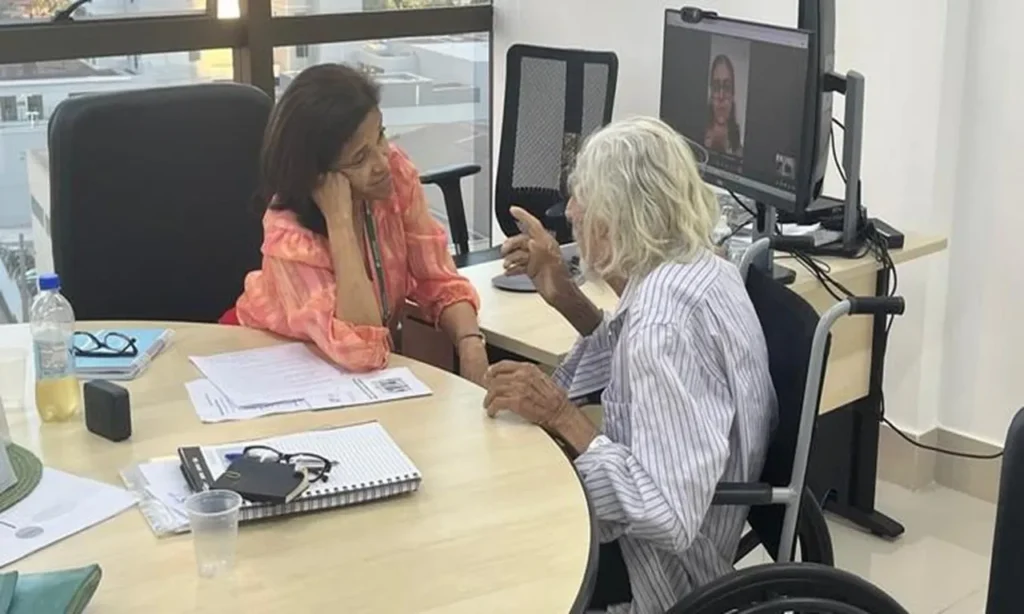
Medical Records Strengthening Elder Neglect Settlement Cases
Medical records frequently provide the strongest evidence available in elder neglect litigation. These documents establish diagnoses, treatment histories, physician observations, injury severity, and timelines. An elder neglect attorney carefully reviews healthcare documentation to identify patterns of inadequate care and negligence. Accurate records help counter defense arguments while supporting compensation demands. Families should obtain relevant medical records as soon as concerns arise. Comprehensive healthcare documentation significantly strengthens legal claims and improves opportunities for achieving fair compensation from responsible caregivers and organizations.
Witness Testimony Supporting Elder Neglect Investigations Effectively
Witnesses often provide information that official records fail to capture. Testimony may come from family members, residents, visitors, healthcare professionals, or former employees. An elder neglect attorney interviews witnesses early to preserve accurate recollections and identify additional evidence. Consistent testimony strengthens credibility and supports medical documentation. Witnesses frequently reveal patterns of neglect, understaffing, unsafe conditions, or inadequate supervision affecting multiple individuals. Strong witness evidence can significantly influence settlement discussions and improve overall legal outcomes for elderly victims and their families.
How Elder Neglect Attorneys Build Strong Cases
Building a successful case requires careful investigation, detailed evidence gathering, and strategic legal planning. An elder neglect attorney reviews medical records, witness statements, facility reports, staffing documents, and healthcare policies. Attorneys often work with medical experts to evaluate care standards and determine whether negligence occurred. Thorough investigations strengthen negotiations and improve litigation outcomes when necessary. Early legal involvement helps preserve evidence before records disappear or conditions change significantly. Strong preparation increases opportunities for obtaining fair compensation while holding negligent caregivers and organizations accountable.
Understanding State Laws Protecting Elderly Neglect Victims
State laws provide important protections for elderly individuals living in nursing homes, assisted living facilities, and other care environments. These regulations establish standards for supervision, medical treatment, nutrition, safety, and resident rights. An elder neglect attorney understands how these laws apply to negligence investigations and identifies violations that strengthen legal claims. Families should know that caregivers and facilities can face liability when they fail to meet required standards. Understanding applicable laws helps recognize neglect sooner and provides a stronger foundation for pursuing compensation and accountability through legal action.
Adult Protective Services Role In Neglect Investigations
Adult Protective Services investigates reports involving elder neglect, abuse, exploitation, and unsafe living conditions. Their findings often provide valuable evidence supporting legal claims. An elder neglect attorney may review APS reports alongside independent investigations to establish liability. Government agencies can identify dangerous conditions and document concerns, but they do not pursue compensation for victims. Families should report suspected neglect immediately while also seeking legal guidance. Combining official investigations with private legal action frequently strengthens cases and increases accountability for caregivers, facilities, and organizations responsible for neglect.
Financial Compensation Available Through Elder Neglect Claims
Victims of elder neglect may recover compensation for medical expenses, rehabilitation costs, emotional distress, pain and suffering, and future care needs. An elder neglect attorney carefully evaluates damages before calculating settlement demands. Many families underestimate the long-term effects neglect can have on health and quality of life. Comprehensive damage assessments help ensure compensation reflects both current and future losses. Financial recovery provides resources necessary for continued treatment and support while holding negligent parties accountable. Proper valuation significantly influences settlement outcomes and overall claim success.
Calculating Future Care Costs After Neglect Injuries
Serious neglect often creates long-term healthcare needs extending beyond immediate treatment. An elder neglect attorney works with medical professionals and financial experts to estimate future expenses accurately. These projections may include rehabilitation, medications, therapy, nursing services, and specialized care. Families should consider how neglect-related injuries may affect quality of life and future medical requirements. Accurate financial planning strengthens legal claims and helps prevent future financial hardship. Future damages frequently represent a significant portion of compensation sought in elder neglect cases involving severe or permanent injuries.
How Insurance Companies Defend Elder Neglect Claims
Insurance companies often attempt to reduce payouts by disputing injuries, questioning liability, or blaming existing medical conditions. An elder neglect attorney understands these defense tactics and prepares evidence to challenge them effectively. Insurers may encourage quick settlements before families understand the full value of claims. Strong documentation, expert testimony, and detailed investigations improve negotiating leverage considerably. Families should never rely solely on insurance company evaluations. Experienced legal representation helps protect victims from inadequate offers while increasing opportunities for obtaining fair compensation and accountability from responsible parties.
Settlement Negotiations Versus Courtroom Litigation For Families
Many elder neglect claims resolve through settlement negotiations, but some require litigation when defendants deny responsibility or refuse reasonable compensation. An elder neglect attorney evaluates evidence, damages, and legal risks before recommending a strategy. Settlements often provide faster financial recovery, while trials may produce larger awards. Every case requires individualized analysis based on available facts and circumstances. Families should understand both options before making decisions. Effective attorneys negotiate aggressively while remaining fully prepared for trial whenever settlement discussions fail to achieve acceptable outcomes.
Benefits Of Hiring Experienced Elder Neglect Attorneys Early
Early legal representation provides significant advantages during neglect investigations. An elder neglect attorney can preserve evidence, secure records, interview witnesses, and prevent costly mistakes before claims progress. Delays often result in weaker evidence or missing documentation. Attorneys also help families understand legal rights and avoid accepting inadequate settlement offers. Early involvement improves case preparation and overall strategy substantially. Families who seek legal guidance promptly often achieve stronger outcomes because critical evidence remains available and investigations begin before circumstances change or additional harm occurs.
Common Mistakes Families Make During Neglect Claims
Families sometimes wait too long to seek legal advice, fail to document concerns properly, or trust caregiver explanations without independent investigation. An elder neglect attorney helps avoid these common mistakes by guiding evidence collection and legal planning. Emotional circumstances often make decision-making difficult, but careful preparation remains essential. Families should preserve records, photograph injuries, and request medical evaluations promptly. Avoiding preventable errors strengthens neglect claims and improves recovery opportunities. Proper legal guidance helps families navigate complex litigation while protecting the rights of elderly loved ones.
Choosing Elder Neglect Attorney Representation Very Carefully
Selecting the right attorney can significantly influence the outcome of a neglect case. Families should evaluate experience, communication skills, case results, client reviews, and knowledge of elder care laws. An elder neglect attorney should provide clear explanations and compassionate support throughout the legal process. Strong representation requires both legal expertise and dedication to protecting vulnerable individuals. Careful evaluation helps families identify attorneys capable of handling complex neglect claims effectively. Choosing wisely increases confidence and improves opportunities for successful legal and financial outcomes.
Questions Families Should Ask During Initial Consultations
Initial consultations provide valuable opportunities to evaluate an attorney’s qualifications and legal approach. Families should ask about experience handling neglect cases, communication practices, fees, investigation methods, and expected timelines. An elder neglect attorney should answer questions clearly and explain possible strategies honestly. Understanding expectations early helps reduce confusion and establish trust. Families should also discuss similar cases and prior outcomes. Asking informed questions helps ensure representation aligns with case needs and identifies attorneys with the resources necessary for complex elder neglect litigation.

How Expert Witnesses Strengthen Elder Neglect Lawsuits
Expert witnesses frequently play important roles in elder neglect litigation. Medical professionals, nurses, administrators, and financial experts help explain care standards, injuries, damages, and caregiver responsibilities. An elder neglect attorney works closely with experts to establish negligence and strengthen evidence. Their testimony provides objective analysis that judges, juries, and insurance companies often find persuasive. Strong expert opinions improve settlement negotiations and trial outcomes substantially. Experts help connect caregiving failures directly to resident harm while clarifying complex medical and legal issues that influence overall case success.
Preventing Elder Neglect Through Family Involvement Daily
Family involvement remains one of the most effective ways to reduce neglect risks and improve elder safety. Regular visits, communication with caregivers, and monitoring wellbeing create additional accountability. An elder neglect attorney often sees stronger cases when families documented concerns early and remained actively involved. Consistent oversight helps identify problems before serious injuries occur and encourages caregivers to maintain proper standards. Families should ask questions, review care plans, and observe changes carefully. Staying engaged protects loved ones while creating valuable records that may support future legal action.
Recognizing Patterns Of Systemic Caregiver Negligence Early
Systemic negligence occurs when organizational failures affect multiple elderly individuals rather than isolated victims. Warning signs include chronic understaffing, repeated complaints, poor training, sanitation problems, and recurring injuries. An elder neglect attorney investigates whether management decisions contributed to unsafe conditions. Evidence of systemic failures often strengthens claims because it demonstrates broader negligence beyond individual mistakes. Families should pay attention to concerns affecting multiple residents within facilities. Identifying patterns early helps establish liability and increases pressure on organizations to improve care quality, supervision, staffing, and resident safety.
Protecting Elder Rights Through Strong Legal Advocacy
Strong legal advocacy helps ensure elderly individuals receive protection, compensation, and accountability when neglect occurs. An elder neglect attorney serves as both legal representative and advocate for vulnerable victims. Effective advocacy involves investigations, negotiations, litigation, and ongoing communication with families. Protecting elder rights requires persistence, preparation, and attention to detail. Legal action often benefits future residents by encouraging safer practices throughout caregiving environments. Strong representation helps ensure dignity, respect, and proper care remain priorities while holding negligent caregivers and organizations accountable for failures.
Building Strong Evidence Before Filing Neglect Claims
Successful neglect cases depend heavily on strong evidence gathered before legal claims are filed. Families should preserve medical records, photographs, witness information, caregiver reports, and communication records whenever concerns arise. An elder neglect attorney organizes this information into a persuasive legal strategy. Thorough preparation improves credibility and strengthens settlement negotiations considerably. Detailed evidence often determines whether claims succeed or fail. Building a strong foundation early increases opportunities for fair compensation while protecting elderly individuals from continued neglect and ensuring responsible parties face accountability.
Warning Signs Future Neglect Problems May Reoccur
Even after immediate concerns are addressed, neglect risks may return if caregiver problems remain unresolved. Families should continue monitoring staffing levels, resident health, communication practices, and care quality. An elder neglect attorney often recommends maintaining detailed records of recurring concerns. High employee turnover, repeated complaints, and poor responses to family concerns frequently indicate ongoing risks. Consistent oversight helps identify problems before serious harm occurs. Recognizing warning signs early allows families to intervene quickly, protect loved ones, and strengthen potential legal claims if neglect continues in the future.
Technology Improving Elder Safety And Care Accountability
Modern technology helps improve elder safety through surveillance systems, electronic health records, medication tracking software, and emergency response devices. These tools create greater accountability and help identify care failures more quickly. An elder neglect attorney may use digital records and electronic evidence during investigations. Technology cannot replace compassionate caregiving, but it can improve transparency and documentation significantly. Families who understand available monitoring tools often gain better insight into daily care practices. Technological advancements continue creating opportunities for preventing neglect and improving protection for vulnerable elderly individuals nationwide.
How Regulatory Changes Affect Elder Care Standards
Government agencies regularly update elder care regulations to improve safety, accountability, and quality standards. New requirements may address staffing levels, reporting obligations, infection control measures, and resident rights protections. An elder neglect attorney stays informed about regulatory developments that may affect legal claims. Compliance failures frequently provide valuable evidence supporting negligence allegations. Families should understand that regulations exist specifically to protect vulnerable seniors. Strong oversight encourages caregivers and facilities to maintain higher standards while reducing risks associated with neglect, abuse, and inadequate supervision.
Future Trends In Elder Neglect Litigation Cases
Elder neglect litigation continues evolving as healthcare practices, technology, and regulations change. Future cases may involve greater reliance on surveillance footage, electronic records, digital communications, and expert analysis. An elder neglect attorney adapts legal strategies to address emerging challenges and opportunities. Courts increasingly focus on accountability, transparency, and elder protection. Families should remain informed about developments affecting elder care litigation. Understanding future trends improves preparedness and helps ensure elderly individuals receive proper protections. Legal advancements continue strengthening opportunities to hold negligent caregivers and organizations accountable for harmful conduct.
Importance Of Documentation Throughout Entire Legal Process
Consistent documentation remains one of the strongest tools available during elder neglect claims. Medical records, photographs, complaint reports, written observations, and communication logs help establish timelines and support allegations. An elder neglect attorney relies heavily on detailed documentation during investigations and negotiations. Families should record concerns immediately rather than relying on memory later. Organized records improve credibility and strengthen legal arguments. Thorough documentation often becomes critical evidence that significantly impacts settlement discussions and courtroom outcomes while protecting elderly individuals from continued neglect and inadequate care.
Building Strong Family Advocacy For Elder Protection
Family advocacy plays an essential role in preventing neglect and protecting vulnerable seniors. Frequent visits, active communication, and participation in care planning create accountability among caregivers and facilities. An elder neglect attorney often observes stronger claims when families remained involved and documented concerns early. Advocacy helps identify problems before serious injuries occur and encourages caregivers to maintain proper standards. Families should never hesitate to ask questions or challenge inadequate care. Strong advocacy promotes safer environments while protecting dignity, wellbeing, and legal rights throughout the elder care experience.
Understanding Wrongful Death Elder Neglect Claim Cases
In severe situations, neglect may contribute to fatal complications, untreated illnesses, infections, dehydration, or medical emergencies. Surviving family members may have legal rights to pursue wrongful death claims against responsible parties. An elder neglect attorney investigates whether negligence directly caused or contributed to the individual’s death. Wrongful death lawsuits may provide compensation for funeral expenses, financial losses, and emotional suffering. Although legal action cannot replace a loved one, accountability can provide justice and support during difficult times. Thorough investigations remain essential in these complex legal matters.
Protecting Elder Assets From Financial Exploitation Risks
Financial exploitation frequently accompanies neglect and inadequate supervision. Vulnerable elderly individuals may become targets for theft, fraud, unauthorized transactions, or misuse of legal authority. An elder neglect attorney reviews financial records and suspicious account activity to identify misconduct. Families should monitor finances carefully and investigate unusual transactions immediately. Protecting assets preserves financial security and independence for elderly loved ones. Early intervention can prevent substantial losses while supporting recovery efforts if exploitation has already occurred. Financial protection remains an important component of elder safety and overall wellbeing.

Why Compassionate Legal Representation Matters Significantly Today
Families facing elder neglect often experience stress, uncertainty, frustration, and emotional hardship. Compassionate legal representation provides guidance, support, and objective advice throughout the legal process. An elder neglect attorney combines legal expertise with empathy to help families make informed decisions. Effective representation addresses both legal and emotional challenges while maintaining focus on achieving justice. Families benefit from attorneys who communicate clearly and remain accessible during difficult circumstances. Compassionate advocacy improves the overall experience while helping victims pursue accountability and fair compensation for neglect-related harm and suffering.
Preparing Strong Evidence Before Filing Neglect Lawsuits
Successful neglect claims require careful preparation and comprehensive evidence collection. Families should gather medical records, photographs, witness statements, caregiver reports, and communication logs before filing lawsuits. An elder neglect attorney organizes this information into a persuasive legal strategy. Thorough preparation strengthens negotiations and improves courtroom presentations when litigation becomes necessary. Detailed evidence often influences settlement outcomes significantly. Building a strong foundation early helps protect elder rights while increasing opportunities for fair compensation. Effective preparation remains one of the most important factors influencing successful neglect litigation outcomes.
Negotiating Maximum Compensation Through Strategic Legal Planning
Effective negotiations require careful preparation, strong evidence, and accurate damage calculations. An elder neglect attorney evaluates liability, future medical costs, emotional suffering, and other losses before beginning settlement discussions. Insurance companies frequently attempt to minimize payouts, making strategic planning essential. Comprehensive evidence and expert support strengthen negotiating positions considerably. Families benefit when attorneys understand the true value of claims and remain prepared for litigation if necessary. Strong negotiation strategies often produce better financial outcomes while reducing delays and uncertainty throughout the legal process and recovery efforts.
How Trial Preparation Improves Settlement Negotiation Outcomes
Preparing every neglect case for trial often improves settlement opportunities because defendants recognize the risks associated with litigation. An elder neglect attorney develops evidence, coordinates expert witnesses, prepares legal arguments, and organizes case materials long before court proceedings begin. Strong preparation demonstrates confidence and increases negotiating leverage significantly. Many defendants become more willing to offer fair settlements when they know an attorney is fully prepared for trial. Trial readiness helps families achieve stronger outcomes while maintaining flexibility throughout the legal process and protecting their interests effectively.
Taking Immediate Action After Discovering Elder Neglect
Immediate action can protect elderly individuals from further harm while preserving valuable evidence. Families should seek medical evaluations, document concerns, report unsafe conditions, and consult an elder neglect attorney promptly. Delays may weaken claims and allow evidence to disappear. Quick responses improve investigations and strengthen legal strategies considerably. Protecting elder safety should always remain the highest priority after discovering neglect. Timely intervention not only supports legal claims but also helps prevent additional injuries and encourages accountability among caregivers responsible for providing appropriate care and supervision.
Choosing Accountability And Justice For Neglected Elders
Legal action serves purposes beyond financial compensation alone. Holding negligent caregivers accountable encourages safer practices, improved supervision, and higher care standards. An elder neglect attorney helps families pursue justice while exposing dangerous conditions and misconduct. Accountability protects current and future elderly individuals from similar harm. Families who take action often contribute to meaningful improvements throughout elder care systems. Seeking justice reinforces the importance of dignity, respect, and quality care for vulnerable seniors. Strong legal advocacy remains a powerful tool for promoting elder safety and protection.
Final Thoughts About Elder Neglect Attorney Services
An elder neglect attorney provides critical support when families discover signs of neglect, inadequate care, or preventable harm affecting loved ones. Through investigations, evidence gathering, negotiations, and litigation, experienced attorneys help victims pursue compensation and accountability. Early action, thorough documentation, and strong legal representation significantly improve outcomes. While legal claims cannot erase the suffering caused by neglect, they can provide resources, protection, and justice. Families who remain informed and proactive are better positioned to safeguard vulnerable seniors and ensure they receive the safe, respectful, and compassionate care they deserve throughout their lives.
FAQs
What does an elder neglect attorney do?
An elder neglect attorney investigates neglect, gathers evidence, and seeks compensation for victims.
When should I contact an elder neglect attorney?
Immediately after noticing signs of neglect or inadequate care.
Can caregivers be sued for elder neglect?
Yes. Caregivers, facilities, and organizations may be held legally responsible.
What compensation is available in elder neglect cases?
Compensation may include medical costs, pain and suffering, and future care expenses.
How long do elder neglect cases take?
Some cases settle within months, while complex claims may take longer.
What evidence helps prove elder neglect?
Medical records, photographs, witness statements, and care documentation.
Do elder neglect attorneys charge upfront fees?
Most work on a contingency fee basis with no upfront legal fees.
Conclusion
Elder neglect can have devastating physical, emotional, and financial consequences for vulnerable seniors and their families. Recognizing warning signs early, documenting concerns carefully, and taking prompt action are essential steps toward protecting loved ones from further harm. An elder neglect attorney helps investigate negligence, identify responsible parties, preserve evidence, and pursue fair compensation through settlement negotiations or litigation. While financial recovery cannot erase the suffering caused by neglect, it can provide resources for medical treatment, improved care, and long-term protection. Legal action also promotes accountability and encourages higher standards throughout elder care environments. If you suspect neglect, consulting an experienced attorney today may help secure justice, compensation, and peace of mind.